Aid dollars not yet distributed to states and cities could be part of a Congressional ‘clawback,’ prompting concern from local leaders.


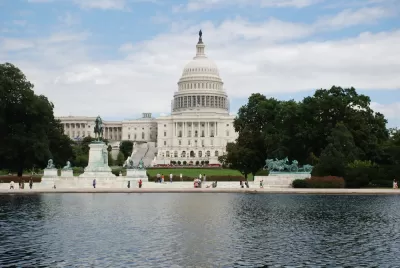
Some funds directed to local governments as part of the $1.9 trillion American Rescue Plan Act (ARPA) could be rescinded as part of Congressional negotiations to raise the debt ceiling, raising concerns among state and local leaders. As Kery Murakami reports in Route Fifty, local leaders say the move to take back funding still in the Treasury Department’s possession could lead to an erosion of trust between officials at different levels of government.
“Detroit Democratic Mayor Mike Duggan, for instance, urged other mayors at a meeting of the U.S. Conference of Mayors last month to quickly spend the money before it could be taken away,” although a House aide clarified that no funding already distributed to local governments would be taken back. “According to a Brookings Institute tracker, the nation’s 329 largest local governments in the country had budgeted 67.8% of the $44 billion of their ARPA funding they’re due to receive.”
Denise Winfrey, president of the National Association of Counties, says the ARPA funding isn’t as extraneous as some lawmakers might think. “Before that money, we weren't able to give the breadth of services or the depth of services that we needed to and there was a constant demand.” Today, the need has only grown.
Read the full story: Local Governments Still Counting on Pandemic Aid Despite Clawback Threat


Where Are American Rescue Plan Funds Going?
Two digital tools track local spending of American Rescue Plan dollars.
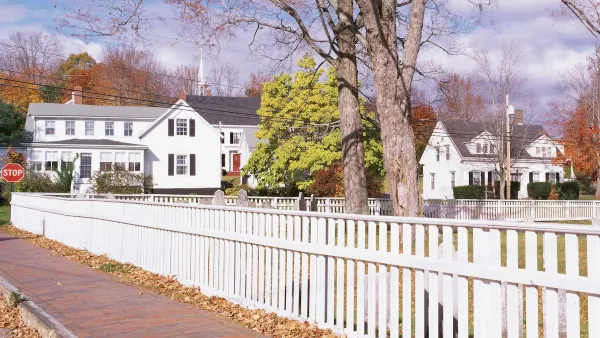
Maine county rescinded $240k in affordable housing funds after town proposed using it for data center
Lincoln County pulled the funding from the town of Wicasset, saying it was only meant to be used for housing projects.
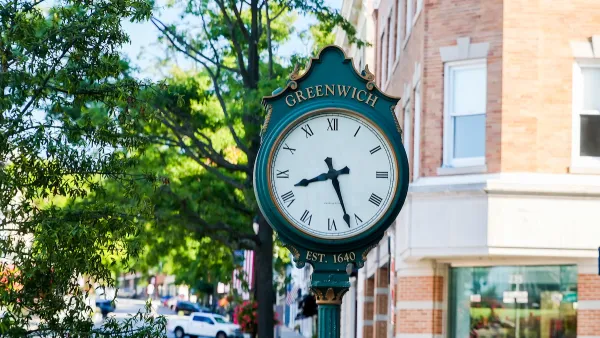
Revitalizing Connecticut’s Downtowns
An injection of federal funding is helping restore buildings and infrastructure to bring residents and businesses back to central districts.

Planetizen Federal Action Tracker
A weekly monitor of how Trump’s orders and actions are impacting planners and planning in America.

The state-sanctioned urbicide of Austin
People don’t kill cities. Freeways do.

Colorado’s Largest Data Center Could Rise Next to Homes — Without a Public Hearing
The proposed campus would consume 11 times the power of Denver International Airport; as it has across the country, opposition mounts.

Judges permit Denver to divert 77,000 acre feet from the Colorado River for reservoir expansion
Overuse and climate change have caused the Colorado River’s water levels to plummet.

Amtrak, CN end decades-long dispute with eight-year agreement
The new operating agreement establishes an updated framework for the companies to work together, including processes to resolve disputes.
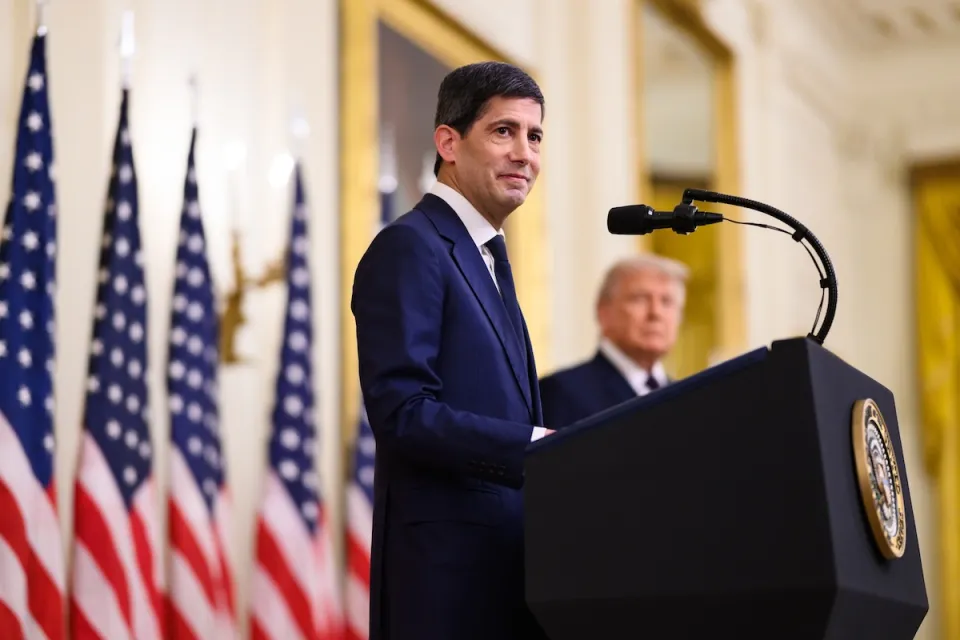
Raised interest rates may kill financially vulnerable construction projects
The chief economist at ConstructConnect warns that if construction project owners are negatively impacted by the raised rates, it could result in delayed payments to contractors.

FREE Course: Walkable City 1: Why Walkability?
After describing his path towards focusing on walkability as the essence of good planning, Jeff Speck marches through his five principal reasons for making more walkable places.
Reinventing Malls: Planning Alchemy—Turning Gray Fields Into Gold
The course focuses on the opportunities and imperatives that shape reinvention of mall sites.

Greater Baltimore Committee
Eagle County Government
Harvard University Graduate School of Design
The Architects Foundation
University of Cincinnati Online
The Pocatello Development Authority
The Urban Renewal Agency of the City of Pocatello
Journal of the American Planning Association