In New York City, the rate of unreadable license plates caught on speed cameras rose in 2022, prompting concerns from safety advocates about scofflaw drivers.


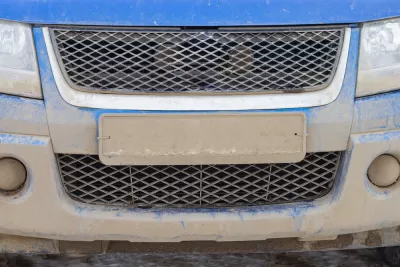
New York City Department of Transportation data reveal that the city has seen a growth in the rate of unreadable license plates caught on automated speed cameras, peaking at 7.38 percent in August of 2022. According to an article by Gersh Kuntzman in Streetsblog NYC, “As a result of unreadable plates — which can result from a car bearing temporary plates, no plates, or defaced or covered plates — the city has lost as much as $38.7 million in unissued tickets since January 2019.”
Aside from lost revenue, safety advocates worry about the impact of scofflaw drivers on road safety. Danny Harris, the executive director of Transportation Alternatives “Drivers who use illegal or fake license plates to avoid accountability make streets more dangerous for all New Yorkers. Our city and state leaders must investigate and put an end to the rise of illegal plates that also steal revenue from critical government programs.”
Kuntzman outlines some key trends: the rate of unreadable plates rose at the same time as the city installed more automated enforcement cameras and coincided with the start of the pandemic, which led to more fraudulent tags as DMV offices closed. “An additional spike in unreadable plates occurred in 2022, when the city’s speed-camera program expanded into a 24-7-365 system, up from just daytime hours on weekdays, providing more incentive for scofflaw drivers to find ways to evade tolls.”
Read the full story: Data: Unreadable Plates Soared Last Year, Foiling Speed and Red-Light Cameras

Flock cameras misread license plates in 71% of cases in California study
An analysis of 1,500 reports showed a shockingly high rate of error when reading license plates.
Speeding surges after Ontario cities remove traffic cameras
The province ordered cities to remove the devices despite data that shows they save lives.
After San Francisco installed traffic cameras, speeding dropped by 80%
The city was allowed to install speed cameras as part of a five-year pilot program approved by California in 2023.

Planetizen Federal Action Tracker
A weekly monitor of how Trump’s orders and actions are impacting planners and planning in America.

California plans to bury El Niño’s downpour
If the state plays its cards right, it may be able to store a billion acre-feet of El Niño’s water in aquifers.

Desperate measures: Advocates weigh draining Lake Powell to fill Colorado River
Draining the reservoir could reduce evaporation losses by a couple hundred thousand acre-feet.

MTA gives itself 30 days to transform pit into basketball court
The site has been under construction since 2022; the city originally estimated it would finish the court in 2024.

Non-stop party: Chicago voters weigh permanent festival grounds
A stable place for bleachers, stages and drainage may streamline the setup and teardown of large events.

Metra may invest $9.1 billion in regional rail
The agency released a draft of a study examining potential ways to offer more frequent train service.

FREE Course: Walkable City 1: Why Walkability?
After describing his path towards focusing on walkability as the essence of good planning, Jeff Speck marches through his five principal reasons for making more walkable places.
Reinventing Malls: Planning Alchemy—Turning Gray Fields Into Gold
The course focuses on the opportunities and imperatives that shape reinvention of mall sites.

City of Rosemead
Rutgers University, Edward J. Bloustein School of Planning and Public Policy
One Hundred Miles
Hunter College, City University of New York (CUNY)
The Architects Foundation
University of Cincinnati Online
City of Cambridge
Montrose County
The Pocatello Development Authority