The program proved extremely popular with Denver residents, opening up biking as a transportation mode to more people.


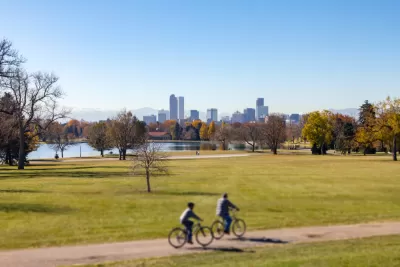
Denver’s $4.8 million e-bike rebate program, which has proven so popular the city could barely keep applications open, is helping get thousands of residents out of their cars, reports Ian Duncan in the Washington Post.
“Denver’s program has two tiers, with one that offers $400 to any city resident — an amount aimed at sweetening the deal for would-be buyers. For low-income residents, the second tier increases the voucher size to $1,200, a sum city officials say should make the bikes more widely affordable.” The city also offers a $500 credit for cargo bikes.
The program is on pause until next year, but the city is evaluating the results of its first phase. “A city survey found new e-bike riders were riding, on average, 26.2 miles per week, and that low-income buyers were riding about 32 miles per week. Respondents said they had replaced 3.4 car trips each week with bike rides.”
FULL STORY: How Denver used e-bike vouchers to get thousands out of their cars

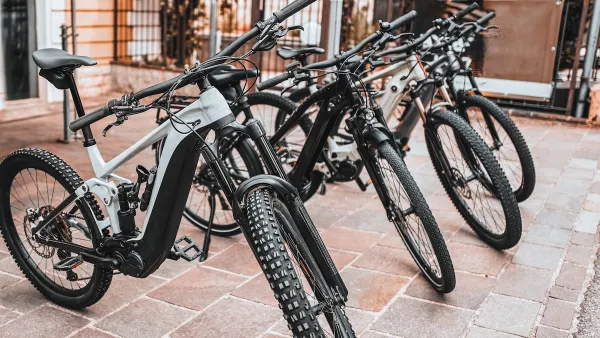
Denver E-Bike Rebates: Gone in 60 Seconds
The popularity of e-bike rebate vouchers continues unabated in Denver.
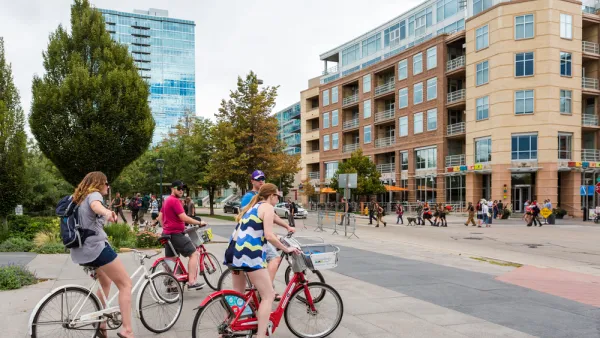
Denver Taking New Applications for Wildly Popular E-Bike Rebate Program
Residents are taking advantage of the city’s rebate program, which offers discounts of up to $1,200 on e-bikes for low-income residents.
California Cuts Funding for E-bike Rebates
The state cancelled an upcoming round of applications for the wildly popular e-bike incentive program that provided up to $2,000 toward the cost of an electric bike.

Planetizen Federal Action Tracker
A weekly monitor of how Trump’s orders and actions are impacting planners and planning in America.

The state-sanctioned urbicide of Austin
People don’t kill cities. Freeways do.

US to reduce Colorado River water deliveries to Mexico
A new Colorado Treaty amendment reduces Mexico’s Colorado River water allocation by 250,000 acre feet.

5 New England states march closer to 800 megawatt wind energy project
Securing federal approval for the project may be complicated under the Trump administration, which has historically been hostile towards domestic wind power.

Baltimore to break ground on $50 million Transit Priority Project
The project will bring faster bus trips, safer streets and better bike connections to Baltimore.

Airbnb launches $250 million 'last-dollar financing' housing accelerator, makes first investment in Austin
The company will put $6.4 million towards affordable housing development in Texas’ capital.

FREE Course: Walkable City 1: Why Walkability?
After describing his path towards focusing on walkability as the essence of good planning, Jeff Speck marches through his five principal reasons for making more walkable places.
Reinventing Malls: Planning Alchemy—Turning Gray Fields Into Gold
The course focuses on the opportunities and imperatives that shape reinvention of mall sites.

Eagle County Government
Harvard University Graduate School of Design
Nashville Planning Department
The Architects Foundation
University of Cincinnati Online
The Pocatello Development Authority
The Urban Renewal Agency of the City of Pocatello
Journal of the American Planning Association