A large system redesign is nearing implementation in and around Boston, but the new system map will require more drivers than the MBTA currently employs.


“The MBTA Board of Directors on Thursday unanimously approved a revised bus map that would increase the scope and frequency of service around Boston, including 30 routes planned to have buses arrive at least every 15 minutes,” reports Daniel Kool in a paywalled article for the Boston Globe.
The system redesign is expected to take effect in Fiscal Year 2023, according to the article. The system redesign is the latest to implement the concept of a high frequency grid, following most famously in the footsteps of Houston.
“The revised bus network was first announced in May and redrafted in October in response to more than 20,000 public comments. The second draft included changes to 85 of 133 initially proposed bus routes, adding or shifting lines to better reach medical facilities, walking back changes originally proposed for lines like the Route 39 bus, which runs from Forest Hills to Back Bay station, and making new cuts, including — to the ire of some riders — the Route 94 bus, which currently runs between Davis and Medford Square stations,” reports Kool.
According to the article, the MBTA presented the system redesign in context of the bus driver shortage ongoing in Boston and nationwide. According to the article, the new system will require hundreds of new drivers to maintain what is an overall increase in bus service.
The MBAT also announced new fare evasion regulations. “Under the new regulations, a first offense will earn a formal written warning before a citation is issued. First, second, and third citations would be $50, and later citations would issue fines of $100. The T is not currently issuing any citations for evasion after changes to a state law starting in 2021,” writes Kool.
FULL STORY: MBTA board approves new fare evasion regulations and a revised bus map to increase service around Boston

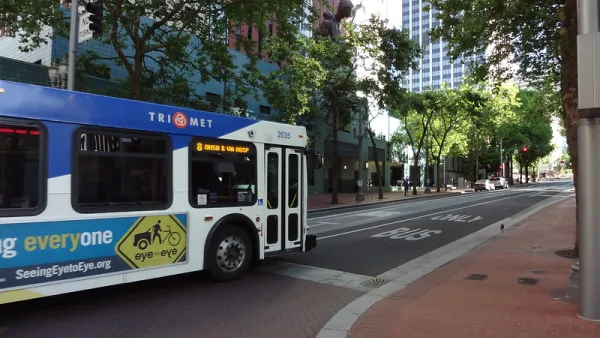
‘Forward Together’ Bus System Redesign Rolling Out in Portland
Portland is redesigning its bus system to respond to the changing patterns of the post-pandemic world—with twin goals of increasing ridership and improving equity.
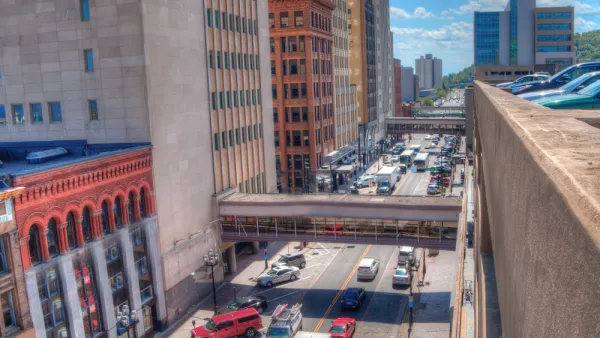
New High-Frequency Bus Service Dubbed 'Go Lines' in Duluth
The city of Duluth's reimagined bus transit system will go into effect in Summer 2022 along green and blue "Go Lines."
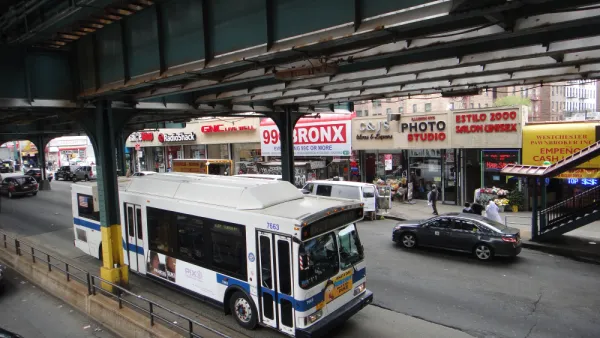
Changes to Local Service in the Bronx Benefit Bus Speeds, Ridership
Another example of how improving bus service design can benefit transit riders and transit systems emerges in New York City. More such local system redesigns are on the way soon in the Big Apple.

The state-sanctioned urbicide of Austin
People don’t kill cities. Freeways do.

US to reduce Colorado River water deliveries to Mexico
A new Colorado Treaty amendment reduces Mexico’s Colorado River water allocation by 250,000 acre feet.

New Jersey’s second-largest city bans standalone data centers
Jersey City will continue to allow co-location facilities, such as those meant for research institutions that store their own data.

Amtrak not solely to blame for New Jersey commuter rail's unreliability, report finds
A new study from the Garden State Initiative found that NJ Transit’s budget grew 20% across a 4 year period, but reliability declined significantly over the same period.

EPA erases limits on planet-warming pollution from power plants
Under Monday’s plan, power plants would still have some limits on how much mercury, arsenic and other contaminants they can emit.

Phoenix announces new on-demand transit service, more frequent RAPID buses
Both new services will launch in October, and are part of Phoenix's Project Effective Access Solutions for Easing Congestion.

FREE Course: Walkable City 1: Why Walkability?
After describing his path towards focusing on walkability as the essence of good planning, Jeff Speck marches through his five principal reasons for making more walkable places.
Reinventing Malls: Planning Alchemy—Turning Gray Fields Into Gold
The course focuses on the opportunities and imperatives that shape reinvention of mall sites.

Eagle County Government
Harvard University Graduate School of Design
Nashville Planning Department
The Architects Foundation
University of Cincinnati Online
The Pocatello Development Authority
The Urban Renewal Agency of the City of Pocatello
Journal of the American Planning Association