Landlords with fewer properties say rent stabilization, eviction moratoriums, and rising costs for repairs and maintenance are making it impossible for them to keep their businesses going.


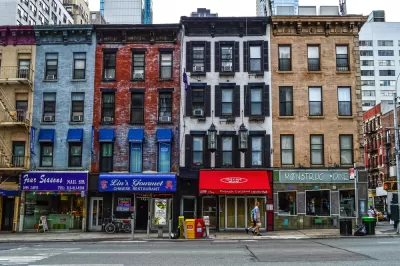
An increasingly vocal new political identity is emerging among New York City property owners, writes Molly Osberg in Curbed: the “underdog landlord,” the small-scale property owners who feel cheated by renter protections and ignored by the city.
“In the nearly three years since the start of the COVID-19 pandemic, millions of tenants have engaged in rent strikes, whether declared or de facto, while membership in tenant unions and building associations ballooned. Somewhere in all of this tension between renters and owners, more landlords began to publicly embrace the language of a protected class being ignored, or worse, by its elected officials.”
According to Osberg, “An estimated 28 percent of New York City’s 2.3 million rental units are held by landlords who own fewer than five properties, which is what passes for a mom-and-pop shop in a city of megadevelopers and private-equity ownership.” Landlords have organized online campaigns and protests and filed lawsuits to challenge New York renter protection laws, arguing that they violate their Fifth Amendment rights and essentially constitute a taking of their property, forcing them to continue renting when they don’t want or can't afford to.
Tenant advocates say these arguments are disingenuous, and that landlords often fail to reinvest in fixing aging buildings, opting instead to buy more properties and earn passive income. As Osberg explains, “Small property owners are a shrinking minority in an economy that favors the deep-pocketed and in a landscape where buying and renting property is as much about securing cyclical returns on investment as providing a stable place to live.”
Osberg’s article outlines the landlords’ concerns and the growing movement to ensure what they see as their constitutional rights via activism and legal actions.
FULL STORY: ‘If You Can’t Exclude Someone, Do You Even Own It?’

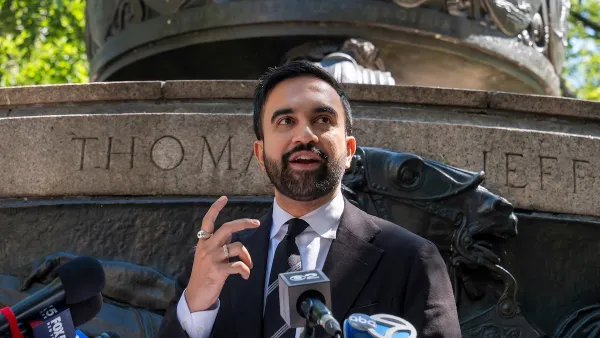
The Facts About Mamdani’s Proposed NYC Rent Freeze
The mayoral candidate has promised to freeze rent for close to a million New Yorkers. Could he actually do it?
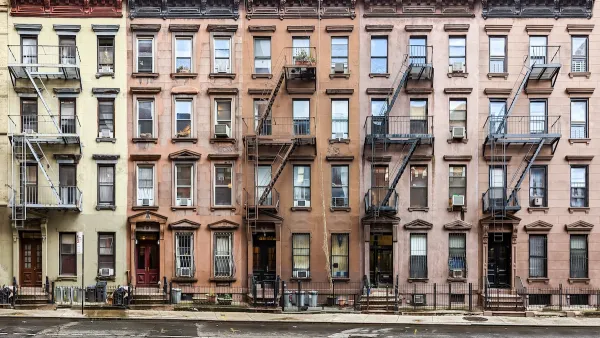
Understanding NYC’s Rental Income Requirements
Why are most renters required to earn 40 times their rent in annual income?
Opinion: Rent Control Works
A dozen arguments for why rent control is effective and necessary in the current housing crisis.

The state-sanctioned urbicide of Austin
People don’t kill cities. Freeways do.

US to reduce Colorado River water deliveries to Mexico
A new Colorado Treaty amendment reduces Mexico’s Colorado River water allocation by 250,000 acre feet.

New Jersey’s second-largest city bans standalone data centers
Jersey City will continue to allow co-location facilities, such as those meant for research institutions that store their own data.

Amtrak not solely to blame for New Jersey commuter rail's unreliability, report finds
A new study from the Garden State Initiative found that NJ Transit’s budget grew 20% across a 4 year period, but reliability declined significantly over the same period.

EPA erases limits on planet-warming pollution from power plants
Under Monday’s plan, power plants would still have some limits on how much mercury, arsenic and other contaminants they can emit.

Phoenix announces new on-demand transit service, more frequent RAPID buses
Both new services will launch in October, and are part of Phoenix's Project Effective Access Solutions for Easing Congestion.

FREE Course: Walkable City 1: Why Walkability?
After describing his path towards focusing on walkability as the essence of good planning, Jeff Speck marches through his five principal reasons for making more walkable places.
Reinventing Malls: Planning Alchemy—Turning Gray Fields Into Gold
The course focuses on the opportunities and imperatives that shape reinvention of mall sites.

Eagle County Government
Harvard University Graduate School of Design
Nashville Planning Department
The Architects Foundation
University of Cincinnati Online
The Pocatello Development Authority
The Urban Renewal Agency of the City of Pocatello
Journal of the American Planning Association