Two Maryland lawmakers will introduce legislation to create the Chesapeake Bay National Recreation Area to protect the region’s important ecological and cultural resources.


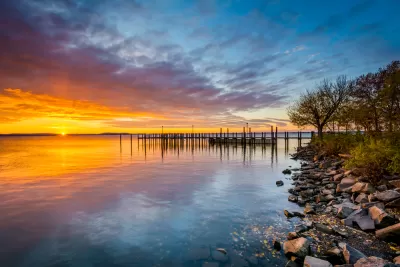
The Chesapeake Bay, known as “the gateway for European explorers who established the first permanent English-speaking colony in North America at Jamestown” and one of the country’s most important landscapes, could soon be designated as a national recreation area, opening up federal funding sources for protecting the bay and improving public access to the watershed. Fredrick Kunkle describes the proposed legislation, the result of years of activism and coordination by dozens of organizations, in the Washington Post.
“Among other things, the group wanted to ensure that the effort would highlight the bay’s connection to Indigenous peoples and previously marginalized histories such as the impact and legacy of slavery,” Kunkle explains. “They also said that listing the bay as a national recreation area would not lead to tighter regulations or restrictions on commercial activity or recreation, but could instead help to promote tourism and the area’s commercial prospects.”
According to the article, “the proposal builds on the Chesapeake Bay Gateways and Watertrails Network that’s been in place since 2000,” which aims to connect hundreds of historically, ecologically, and culturally important sites. Under the proposal, “The National Park Service would assume more authority over the area but would not supersede state powers. The Park Service would, however, be able to identify and absorb additional properties into the park on a voluntary basis or enter into agreements to jointly manage sites belonging to states, local jurisdictions or nonprofits.”
Read the full story: Chesapeake Bay could become national recreation area

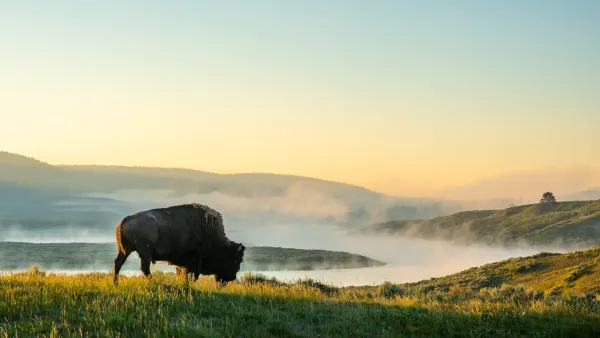
Trump administration orders the removal of 900 bison from public land near Yellowstone
The action marks a drastic shift in wildlife management policy for the Yellowstone-adjacent bison herd.
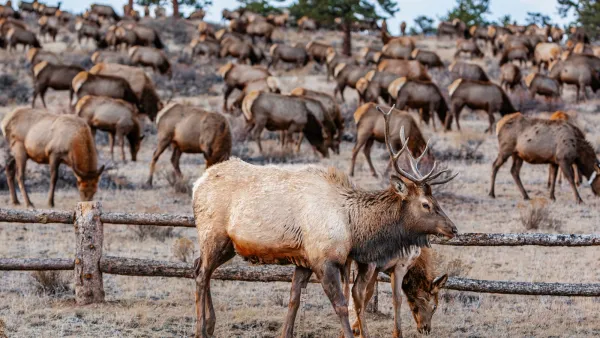
Colorado oil and gas land lease on public land could imperil nation's largest elk herd
The federal government approved the largest land lease to oil and gas interests in Colorado history.

Colorado creates wildlife crossings fund
Residents will have the option to add $5 to their car registration to fund infrastructure that prevents wildlife-vehicle collisions.

Planetizen Federal Action Tracker
A weekly monitor of how Trump’s orders and actions are impacting planners and planning in America.

The state-sanctioned urbicide of Austin
People don’t kill cities. Freeways do.

Colorado’s Largest Data Center Could Rise Next to Homes — Without a Public Hearing
The proposed campus would consume 11 times the power of Denver International Airport; as it has across the country, opposition mounts.
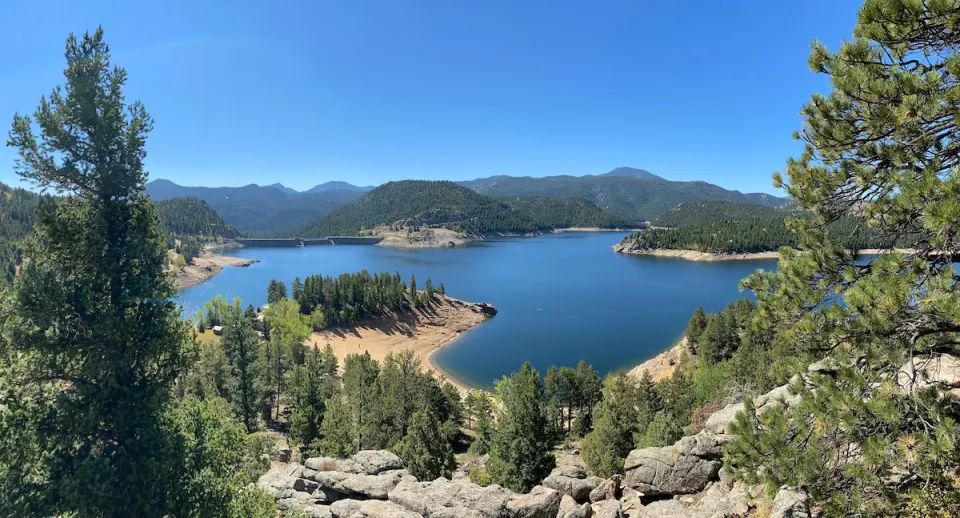
Judges permit Denver to divert 77,000 acre feet from the Colorado River for reservoir expansion
Overuse and climate change have caused the Colorado River’s water levels to plummet.
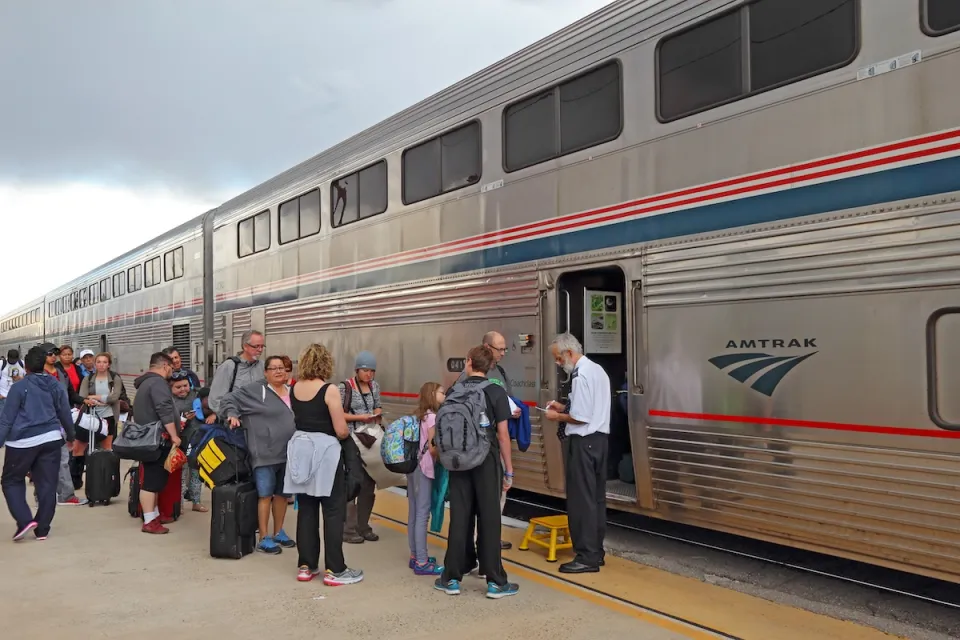
Amtrak, CN end decades-long dispute with eight-year agreement
The new operating agreement establishes an updated framework for the companies to work together, including processes to resolve disputes.

Raised interest rates may kill financially vulnerable construction projects
The chief economist at ConstructConnect warns that if construction project owners are negatively impacted by the raised rates, it could result in delayed payments to contractors.

FREE Course: Walkable City 1: Why Walkability?
After describing his path towards focusing on walkability as the essence of good planning, Jeff Speck marches through his five principal reasons for making more walkable places.
Reinventing Malls: Planning Alchemy—Turning Gray Fields Into Gold
The course focuses on the opportunities and imperatives that shape reinvention of mall sites.

KFH Group Inc.
Greater Baltimore Committee
Eagle County Government
The Architects Foundation
University of Cincinnati Online
The Pocatello Development Authority
The Urban Renewal Agency of the City of Pocatello