A public space advocate outlines how Philadelphia’s city leaders could support the parklets, plazas, and other public space conversions that proliferated during the pandemic.


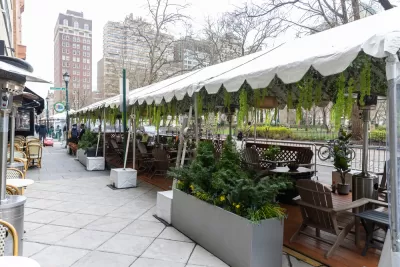
In an opinion piece on WHYY, Ariel Ben-Amos argues that Philadelphia should make it easier for residents to improve their local streets through interventions that reclaim public space and contribute to more vibrant, active communities.
Now is the time to reduce technical burdens and invest in programs and projects that empower communities, rather than slow down their ability to control their streets and make them safer, or a more attractive place to be.
Yet in the rush back toward ‘normalcy,’ Ben-Amos argues, the city is forgetting some valuable lessons from the pandemic. “When we citizens improve and steward their streets and create public space using parklets, pedestrian plazas, and benches, we calm traffic, make it easier for young and old to get around, and reduce environmental stress.”
With local elections coming up, Ben-Amos urges readers to support candidates who will invest in community efforts to improve public space and give citizens the tools to design and maintain public space projects. “Public space isn’t missing in communities because people don’t want to use them everywhere, it’s missing in marginalized communities because it’s harder to do the work there, with less funding and less civic infrastructure.” According to Ben-Ramos, “Philadelphians need a vision that includes a more democratic and more equitable approach to our collective front stoops.”


‘Grätzloasen’: The Urban Oases Vienna Pays its Citizens to Build
The Austrian capital offers grants of up to 5,000 Euros to residents who want to build their own parklets in curbside parking spaces.
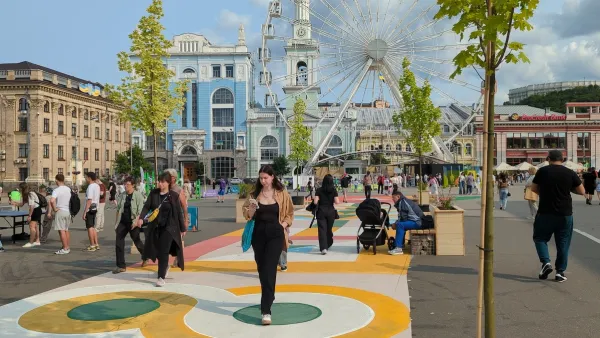
In Praise of Analog Cities: Futureproofing in a Time of Crisis
I didn’t need a pandemic or a war to teach me that smart cities weren’t the future — but it sure drove the message home.
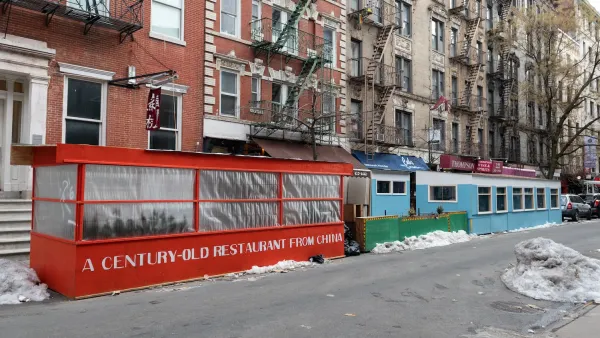
NYC Outdoor Dining Could Get a Re-Do
The city council is considering making the al fresco dining program year-round to address cost concerns from small businesses.

The state-sanctioned urbicide of Austin
People don’t kill cities. Freeways do.

US to reduce Colorado River water deliveries to Mexico
A new Colorado Treaty amendment reduces Mexico’s Colorado River water allocation by 250,000 acre feet.

New Jersey’s second-largest city bans standalone data centers
Jersey City will continue to allow co-location facilities, such as those meant for research institutions that store their own data.

Amtrak not solely to blame for New Jersey commuter rail's unreliability, report finds
A new study from the Garden State Initiative found that NJ Transit’s budget grew 20% across a 4 year period, but reliability declined significantly over the same period.

EPA erases limits on planet-warming pollution from power plants
Under Monday’s plan, power plants would still have some limits on how much mercury, arsenic and other contaminants they can emit.

Phoenix announces new on-demand transit service, more frequent RAPID buses
Both new services will launch in October, and are part of Phoenix's Project Effective Access Solutions for Easing Congestion.

FREE Course: Walkable City 1: Why Walkability?
After describing his path towards focusing on walkability as the essence of good planning, Jeff Speck marches through his five principal reasons for making more walkable places.
Reinventing Malls: Planning Alchemy—Turning Gray Fields Into Gold
The course focuses on the opportunities and imperatives that shape reinvention of mall sites.

Eagle County Government
Harvard University Graduate School of Design
Nashville Planning Department
The Architects Foundation
University of Cincinnati Online
The Pocatello Development Authority
The Urban Renewal Agency of the City of Pocatello
Journal of the American Planning Association