Community Transit, the public transit authority for Snohomish County, Washington, is redesigning its bus system to plan ahead for the Lynwood Link Extension, currently more than halfway done with construction.


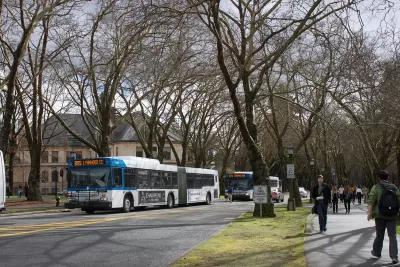
“Community Transit has unveiled a full proposal to restructure bus service when Lynnwood Link light rail and the Swift Orange Line bus rapid transit open in 2024,” reports Stephen Fesler for the Urbanist.
The Lynwood Link Extension, one of the projects at risk when the U.S. Department of Transportation under the Trump administration just stopped sending congressionally approved funding for transit projects, has come a long way—Sound Transit reported 50 percent completion on the extension in November 2021 and other regional transit agencies are rethinking their systems to better fit with the forthcoming trains.
Chris Simmons, Community Transit’s service planning manager, is quoted in the article explaining the goals of the system redesign:
- Tying bus service into Link and Swift stations;
- Providing more access to frequent service by reinvesting existing service hours;
- Adjusting to market changes precipitated by the introduction of light rail and pandemic; and
- Delivering more equitable services for traditionally disadvantaged communities.
According to Fesler’s description of the redesigned system, “80% of residents in the Community Transit service area will be close to stops and proposed service will reach around 60% of jobs and 417 essential destinations (e.g., doctor offices, schools, libraries, grocery stores, and pharmacies). Most segments, about 95%, of existing local bus service will retain bus service, too.”
More details on the “nascent frequent network of local bus routes” follows in the source article below.
FULL STORY: Community Transit Proposes Bus Service Restructure Alongside Arrival of Link Light Rail

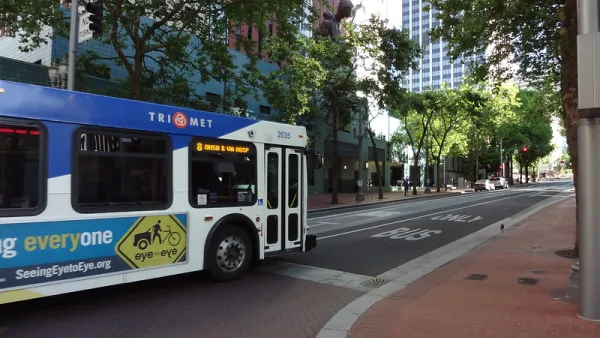
‘Forward Together’ Bus System Redesign Rolling Out in Portland
Portland is redesigning its bus system to respond to the changing patterns of the post-pandemic world—with twin goals of increasing ridership and improving equity.
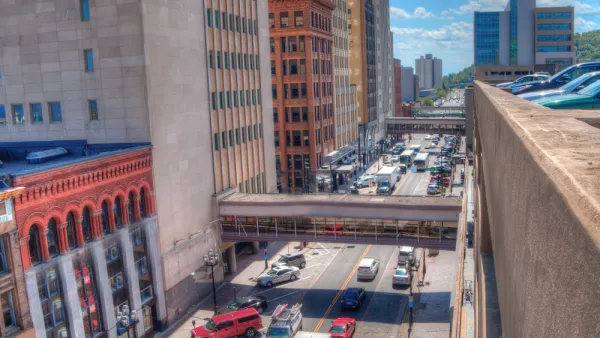
New High-Frequency Bus Service Dubbed 'Go Lines' in Duluth
The city of Duluth's reimagined bus transit system will go into effect in Summer 2022 along green and blue "Go Lines."
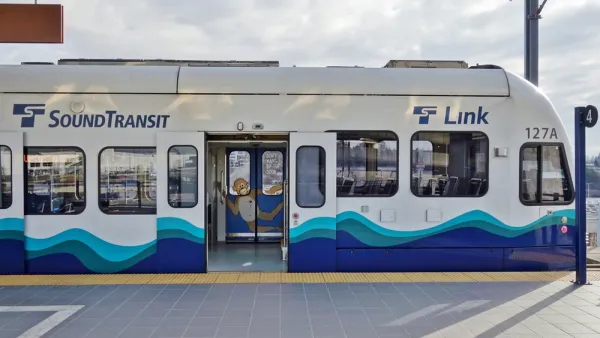
$158 Million in American Rescue Plan Funding Going to Seattle-Area Light Rail Projects
New Capital Investment Grant funding was announced earlier this month.

The state-sanctioned urbicide of Austin
People don’t kill cities. Freeways do.

US to reduce Colorado River water deliveries to Mexico
A new Colorado Treaty amendment reduces Mexico’s Colorado River water allocation by 250,000 acre feet.

New Jersey’s second-largest city bans standalone data centers
Jersey City will continue to allow co-location facilities, such as those meant for research institutions that store their own data.

Amtrak not solely to blame for New Jersey commuter rail's unreliability, report finds
A new study from the Garden State Initiative found that NJ Transit’s budget grew 20% across a 4 year period, but reliability declined significantly over the same period.

EPA erases limits on planet-warming pollution from power plants
Under Monday’s plan, power plants would still have some limits on how much mercury, arsenic and other contaminants they can emit.

Phoenix announces new on-demand transit service, more frequent RAPID buses
Both new services will launch in October, and are part of Phoenix's Project Effective Access Solutions for Easing Congestion.

FREE Course: Walkable City 1: Why Walkability?
After describing his path towards focusing on walkability as the essence of good planning, Jeff Speck marches through his five principal reasons for making more walkable places.
Reinventing Malls: Planning Alchemy—Turning Gray Fields Into Gold
The course focuses on the opportunities and imperatives that shape reinvention of mall sites.


Eagle County Government
Harvard University Graduate School of Design
Nashville Planning Department
The Architects Foundation
University of Cincinnati Online
The Pocatello Development Authority
The Urban Renewal Agency of the City of Pocatello
Journal of the American Planning Association