The state is weighing a plan to offer free transit rides during ozone-heavy months in an effort to improve the state's air quality.


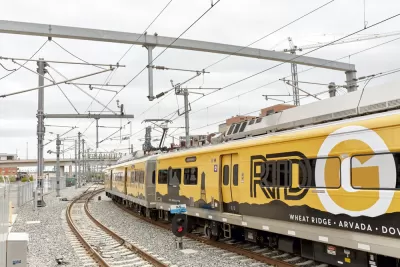
A bill proposed in the Colorado state legislature would allocate funding for free transit rides as an effort to curb air pollution in the state and encourage more public transit ridership, writes Sam Brasch for Colorado Public Radio. State Senator Faith Winter (D) said "One of the ways that need to address that pollution is to increase transit ridership, which is a challenge coming out of the pandemic."
Brasch writes that "If the proposed legislation passes, the Colorado Energy Office would oversee a new grant program to help eliminate fares during the summer ozone season, which lasts from June 1 through Aug. 31. It provides enough funding to award $11 million per year to metro Denver's Regional Transportation District and $3 million per year to all other local transit associations."
The proposal received some pushback from the Regional Transportation District (RTD), the Denver-area transit agency. "During negations [sic] on the bill, [Marta Sipeki, RTD’s interim assistant general manager of communications], said RTD leaders pushed for a 'more cautious, incremental approach' to free transit because the agency has struggled to hire enough drivers and handle a surge in crime, drug use and violence at some of its facilities."
As a result, if the legislation passes, the agency will start by offering free rides during the month of August rather than the entire summer over the next two years.
FULL STORY: A new Colorado bill would fund free transit rides in the summer to help improve air quality

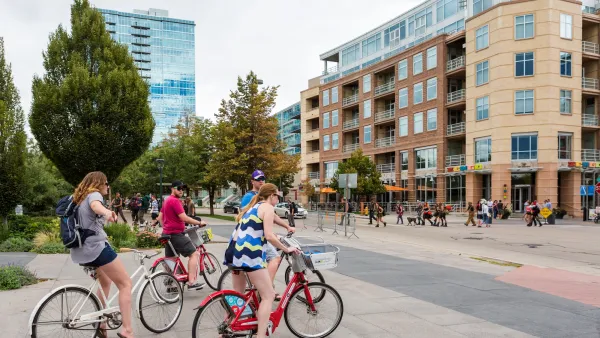
Denver mayor announces 'Mile High Line' vision for interconnected bike and transit routes
The mayor emphasized building more housing near transit lines and bike paths, but failed to address planned transit service cuts.
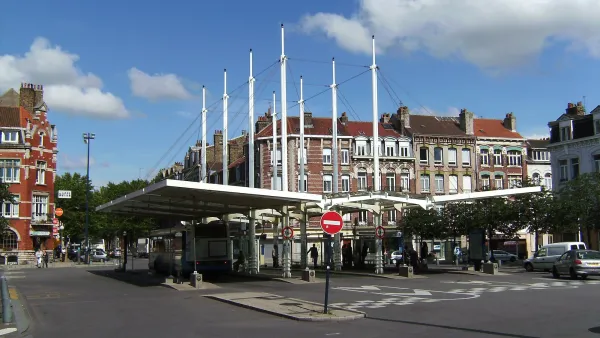
Zohran's Free Buses are Possible — Just Ask This French City
Dunkirk’s free buses are bringing social and economic rewards at a small cost to the city.
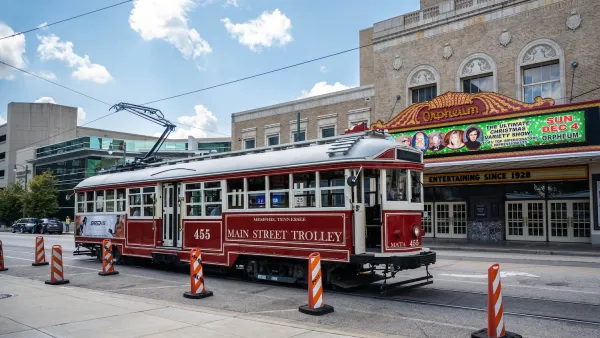
Memphis Launches 3 Month Free Transit Pilot
The city’s transit authority is making a push to increase ridership and improve its transit system.

The state-sanctioned urbicide of Austin
People don’t kill cities. Freeways do.

US to reduce Colorado River water deliveries to Mexico
A new Colorado Treaty amendment reduces Mexico’s Colorado River water allocation by 250,000 acre feet.

New Jersey’s second-largest city bans standalone data centers
Jersey City will continue to allow co-location facilities, such as those meant for research institutions that store their own data.

Amtrak not solely to blame for New Jersey commuter rail's unreliability, report finds
A new study from the Garden State Initiative found that NJ Transit’s budget grew 20% across a 4 year period, but reliability declined significantly over the same period.

EPA erases limits on planet-warming pollution from power plants
Under Monday’s plan, power plants would still have some limits on how much mercury, arsenic and other contaminants they can emit.

Phoenix announces new on-demand transit service, more frequent RAPID buses
Both new services will launch in October, and are part of Phoenix's Project Effective Access Solutions for Easing Congestion.

FREE Course: Walkable City 1: Why Walkability?
After describing his path towards focusing on walkability as the essence of good planning, Jeff Speck marches through his five principal reasons for making more walkable places.
Reinventing Malls: Planning Alchemy—Turning Gray Fields Into Gold
The course focuses on the opportunities and imperatives that shape reinvention of mall sites.

Eagle County Government
Harvard University Graduate School of Design
Nashville Planning Department
The Architects Foundation
University of Cincinnati Online
The Pocatello Development Authority
The Urban Renewal Agency of the City of Pocatello
Journal of the American Planning Association