With the pandemic and Russia's invasion of Ukraine upending supply chains, the cost of raw materials needed to produce electric car batteries is soaring.


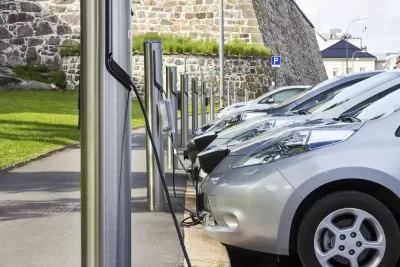
Hyunjoo Jin reports on the shortages facing the electric car industry, particularly as Russia's invasion of Ukraine threatens crucial material supplies. "Rising prices of nickel, lithium and other materials threaten to slow and even temporarily reverse the long-term trend of falling costs of batteries, the most expensive part of EVs, hampering the broader adoption of the technology, said Gregory Miller, an analyst at industry forecaster Benchmark Mineral Intelligence." As Jin writes, "Benchmark Mineral Intelligence said battery producers started increasing lithium-ion cell prices late last year in response to the higher raw material prices they had seen throughout 2021."
According to Jin, "The conflict in Ukraine has only raised the stakes, pushing nickel and aluminium prices to record highs on Monday on growing fears exports from leading producer Russia could be disrupted. Lithium prices also have increased, more than doubling since year end, as supply fell short of rising demand." Coupled with other supply chain issues caused by the COVID-19 pandemic, this could have a significant impact on electric vehicle production and costs.
The article details the cost increases and production delays experienced by various EV manufacturers. Electric truck maker Rivian raised the cost of its vehicles by 20 percent for new orders, while Tesla abandoned plans to build a $25,000 car.
FULL STORY: Analysis: Ukraine invasion sets back Musk's dream for cheaper EVs, for now

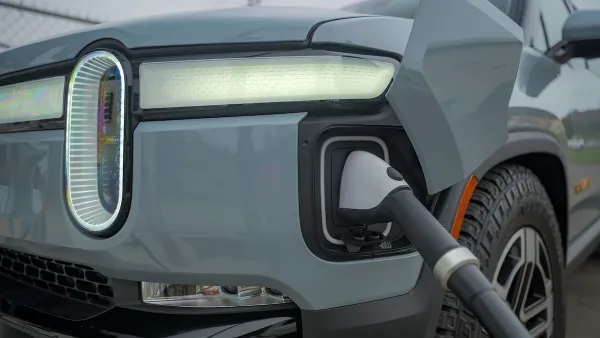
Rivian Joins Movement Toward Universal EV Charging
As more automakers like Tesla, Ford, and Rivian make their charging infrastructure compatible, the shift could lead to the faster development of a nationwide EV charging network.

Rivian CEO Talks Battery Tech, Supply Chain Issues
As its electric trucks hit the streets, the electric truck maker has their eye on micromobility and battery supply chains.
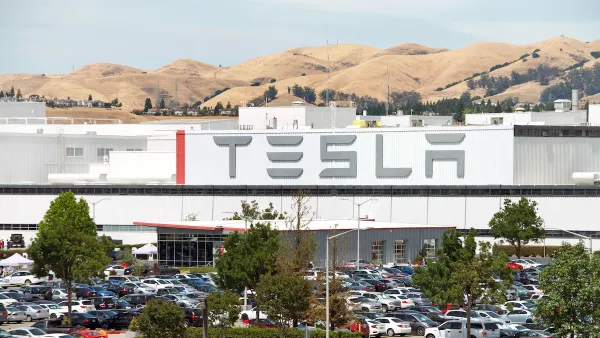
Tesla Is California’s Second-Biggest Air Polluter
A Wall Street Journal investigation found multiple and repeated violations of California’s air quality rules.

Planetizen Federal Action Tracker
A weekly monitor of how Trump’s orders and actions are impacting planners and planning in America.

The state-sanctioned urbicide of Austin
People don’t kill cities. Freeways do.

US to reduce Colorado River water deliveries to Mexico
A new Colorado Treaty amendment reduces Mexico’s Colorado River water allocation by 250,000 acre feet.

Mamdani overhauls NYC's Vision Zero plan with 100 new policy goals
The overhaul aims to reduce traffic deaths and make streets safer for pedestrians, cyclists and drivers through lower speed limits, new safety infrastructure and more.

Amtrak not solely to blame for New Jersey commuter rail's unreliability, report finds
A new study from the Garden State Initiative found that NJ Transit’s budget grew 20% across a 4 year period, but reliability declined significantly over the same period.

EPA erases limits on planet-warming pollution from power plants
Under Monday’s plan, power plants would still have some limits on how much mercury, arsenic and other contaminants they can emit.

FREE Course: Walkable City 1: Why Walkability?
After describing his path towards focusing on walkability as the essence of good planning, Jeff Speck marches through his five principal reasons for making more walkable places.
Reinventing Malls: Planning Alchemy—Turning Gray Fields Into Gold
The course focuses on the opportunities and imperatives that shape reinvention of mall sites.

Eagle County Government
Harvard University Graduate School of Design
Nashville Planning Department
The Architects Foundation
University of Cincinnati Online
The Pocatello Development Authority
The Urban Renewal Agency of the City of Pocatello
Journal of the American Planning Association