Rural Washington communities want to see federal infrastructure funding allocated to projects in the historically neglected eastern parts of the state.


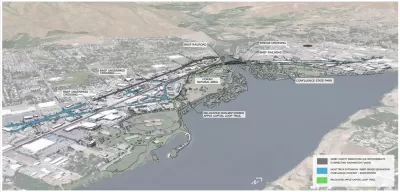
Jacob Jones of Crosscut.com describes the projects that rural leaders in Washington state hope will be funded through the Infrastructure Investment and Jobs Act (IIJA). But many worry that rural areas will be ignored by the state legislature. "Of $4 billion allocated to new and existing highway projects in the transportation proposal before the Legislature this year, just $2.5 million (less than 1%) goes to projects east of the Cascades."
According to the article, "Rural communities have prioritized additional state dollars for economic development, water treatment systems, broadband networks, mental health services and flood control measures. Smaller cities and counties have also asked for more predictable shared revenue and flexibility on local tax options."
"Local leaders around the state say they are watching where those dollars go, as they make their own decisions on how to use federal recovery money to rebuild their communities. While local cities and counties have control over how some federal infrastructure dollars can be spent, they must wait for the Legislature to decide how the rest of the billions in transportation stimulus money will be distributed."
Jones mentions that "The transportation package would still offer billions of dollars to many cities outside the Puget Sound region to pay for switching bus fleets to electric, fish barrier removal, safety programs, new bike trails and many other initiatives. About $151 million would go to railroad line rehabilitation in Eastern Washington."
Read the full story: Rural WA wants in on state highway, health and housing dollars
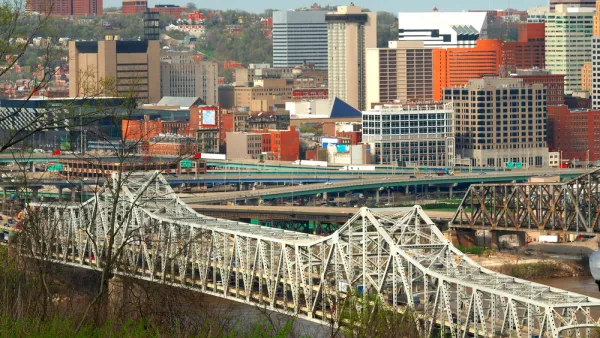
Federal Government Awards Over $1 Billion to Nine ‘Mega’ Projects
The funding comes from a discretionary grant program aimed at supporting infrastructure projects too massive or complex for traditional funding mechanisms.
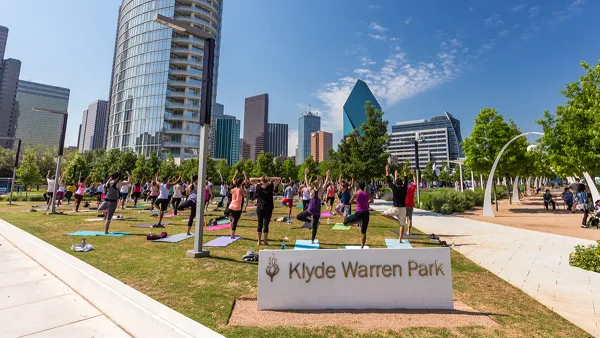
Dallas Drafts Infrastructure Wish List
The city hopes to qualify for as much as $3 billion in federal infrastructure funding.
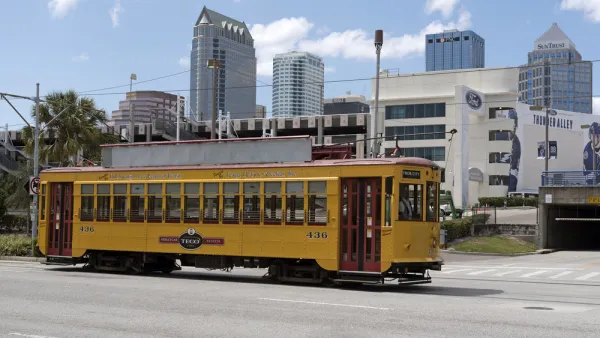
These Tampa Projects Could Benefit From the Federal Infrastructure Bill
The city's aging streetcar line and historic Cass Street Bridge are among projects that could receive federal funding if Congress passes the current infrastructure package.

Desperate measures: Advocates weigh draining Lake Powell to fill Colorado River
Draining the reservoir could reduce evaporation losses by a couple hundred thousand acre-feet.

Eastern Nebraska is running out of electricity
Data centers and electrification are straining eastern Nebraska’s grid, throttling economic development.

Move over, LA: St. Louis gears up for Olympics, invests millions in downtown redevelopment
The Missouri city will host the 2028 Olympic soccer group stage and knockout matches.

Mass. votes against statewide minimum lot size for single-family homes
Over 2 million residents voted on Question 7; it was decided by just over 30,000 votes.

Maryland’s $15 billion bridge project gains key approval
The Maryland Transit Authority said the project will create over 60,000 jobs and add $23 billion to the local economy.

‘No clear next steps’ for Chicago's permanent festival grounds
Eleventh Ward Ald. Nicole Lee has suggested Soldier Field as a possible location for the permanent event space.

FREE Course: Walkable City 1: Why Walkability?
After describing his path towards focusing on walkability as the essence of good planning, Jeff Speck marches through his five principal reasons for making more walkable places.
Reinventing Malls: Planning Alchemy—Turning Gray Fields Into Gold
The course focuses on the opportunities and imperatives that shape reinvention of mall sites.

City of Rosemead
Rutgers University, Edward J. Bloustein School of Planning and Public Policy
One Hundred Miles
University of Michigan School for Environment and Sustainability (SEAS)
Hunter College, City University of New York (CUNY)
The Architects Foundation
City of Cambridge
Montrose County
The Pocatello Development Authority