Cities on the Great Plains were giving away land in recent decades in the hopes of attracting new residents. Now they have a different challenge: responding to a sudden, but still modest, spike in demand.


Mark Dent reports for the Hustle on the latest turn of the screw in the "boom and bust of the Great Plains."
Dent starts his history from the forced removal of Native Americans and the 1862 Homestead Act to a long period of population decline and, finally, a nascent episode of rebirth: "After a year of soaring real estate prices in every city and suburb, long-depressed and depopulated Kansas is going through a lower-key real estate boom of its own."
Since the 1990s, many Kansas towns have pursued a contemporary version of the Homestead Act, offering land for free to "anyone willing to move in and build a house," according to Dent. In 2003, for instance, the city of Marquette offered about 60 free lots to entice new residents, and sparked media interest from the Hutchinson News, the Associated Press, and the CBS Evening News. Almost 30 Kansas towns have launched free land programs—but only a few have managed to stop population decline, reports Dent.
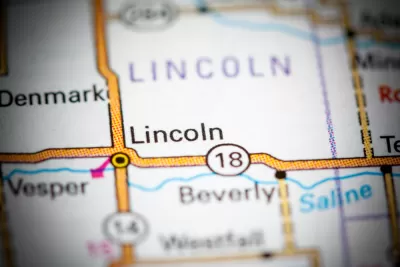
The story's foray into the pandemic years centers mostly around the city of Lincoln, where "houses that used to sit on the market for a year were selling within weeks in 2021," writes Dent.
Now cities that once pulled out every trick in the book to attract demand are preparing to meet a new challenge: more demand than anticipated.
The deeply reported source article, linked below, includes a lot more human interest and local economic data and examines the question of whether the demographic shifts of the pandemic are narrowing the gap between the rural and the urban.
Read the full story: Would you take free land in rural America?
As Rural Areas Grow, So Do Tensions
The influx of new households to rural communities is driving up housing costs for existing residents and straining local infrastructure, sparking difficult conversations about future growth.
An Urbanist Agenda for Education
An opinion article by Angie Schmitt addresses the neglect of education policy in the urbanist political platform, and proposes two specific education policy goals for urbanists to get behind.
From ‘Urban Exodus’ to ‘Urban Doom Loop’
The initial shocks of the Covid 19 pandemic have become more persistent, and it’s time to start wondering what comes next for the communities on either side of the changes.

Planetizen Federal Action Tracker
A weekly monitor of how Trump’s orders and actions are impacting planners and planning in America.

California plans to bury El Niño’s downpour
If the state plays its cards right, it may be able to store a billion acre-feet of El Niño’s water in aquifers.

Desperate measures: Advocates weigh draining Lake Powell to fill Colorado River
Draining the reservoir could reduce evaporation losses by a couple hundred thousand acre-feet.

In Texas, data centers are swallowing promised parkland
Residents who moved to Taylor, Texas for a rural community now have to contend with three data centers in their backyard.

How a Chicago-sized wind farm beat the odds and powered on
The project spanned five presidential administrations and a standoff with a U.S. military base.

MTA gives itself 30 days to transform pit into basketball court
The site has been under construction since 2022; the city originally estimated it would finish the court in 2024.

FREE Course: Walkable City 1: Why Walkability?
After describing his path towards focusing on walkability as the essence of good planning, Jeff Speck marches through his five principal reasons for making more walkable places.
Reinventing Malls: Planning Alchemy—Turning Gray Fields Into Gold
The course focuses on the opportunities and imperatives that shape reinvention of mall sites.

City of Rosemead
Rutgers University, Edward J. Bloustein School of Planning and Public Policy
One Hundred Miles
Hunter College, City University of New York (CUNY)
The Architects Foundation
University of Cincinnati Online
City of Cambridge
Montrose County
The Pocatello Development Authority