Even in the absence of lethal collisions, the experience of repeated near-misses can discourage pedestrians from walking and degrade public perception of road safety.


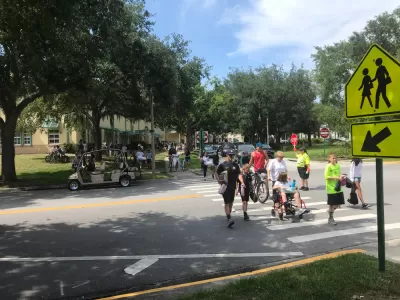
While cities rely on pedestrian deaths and crash data to understand how safe their infrastructure is, near-misses can be an important metric for road safety, writes Dian Nostikasari. But the difficulty of measuring these incidents means they're often left out of the conversation, while the trauma caused by close calls with vehicles makes it less likely that people will walk in the future and causes parents to refuse to let their children walk to school if there's a fear of speeding or inattentive drivers.
According to Nostikasari, "capturing these incidents may reveal patterns of safety issues and provide opportunities to address them before a crash happens." Some cities are exploring tools to help capture data on close calls, identify locations that need improved safety measures, and understand public perceptions of safety. These include self-reporting mechanisms, app-based crowdsourcing tools, and analytics using traffic camera data.
Nostikasari writes that "A multi-faceted approach to addressing safety issues requires understanding the multiple facets of safety experiences and recognizing that those experiences are as valid as reported crash data can lead to future investments that honor the authentic needs of communities." Addressing traffic safety must be an inclusive effort that considers the lived experiences and needs of diverse users.
FULL STORY: Why Road Safety Is About More Than Just Crash Data

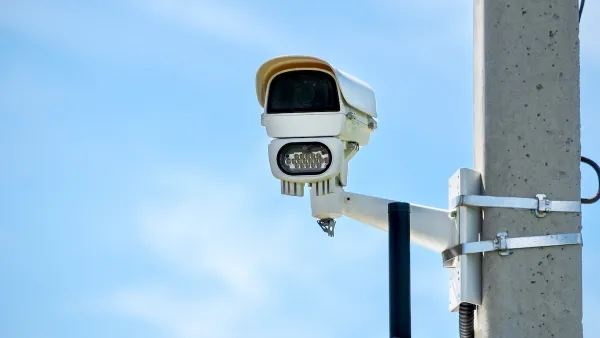
Philly Speed Camera Program Cuts Fatalities in Half
Excessive speeding along dangerous segments of Roosevelt Boulevard dropped by 90 percent after the city installed automated enforcement cameras.
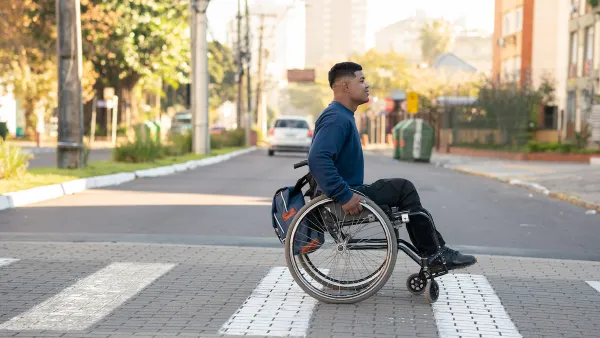
How to Protect Pedestrians With Disabilities
Public agencies don’t track traffic deaths and injuries involving disabled people, leaving a gap in data to guide safety interventions.
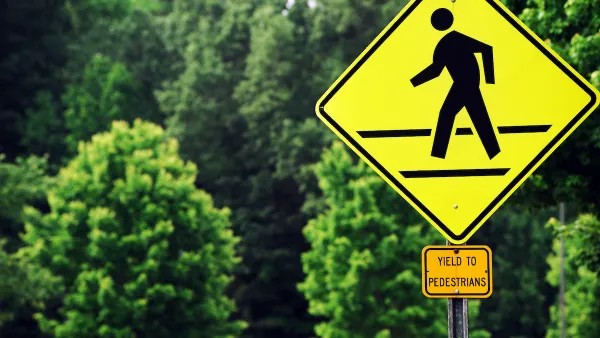
Pedestrian Deaths Tick Down — But Rose 58 Percent in the Last Decade
Road fatalities fell by a meager 4 percent in the first half of 2023.

The state-sanctioned urbicide of Austin
People don’t kill cities. Freeways do.

US to reduce Colorado River water deliveries to Mexico
A new Colorado Treaty amendment reduces Mexico’s Colorado River water allocation by 250,000 acre feet.

New Jersey’s second-largest city bans standalone data centers
Jersey City will continue to allow co-location facilities, such as those meant for research institutions that store their own data.

Amtrak not solely to blame for New Jersey commuter rail's unreliability, report finds
A new study from the Garden State Initiative found that NJ Transit’s budget grew 20% across a 4 year period, but reliability declined significantly over the same period.

EPA erases limits on planet-warming pollution from power plants
Under Monday’s plan, power plants would still have some limits on how much mercury, arsenic and other contaminants they can emit.

Phoenix announces new on-demand transit service, more frequent RAPID buses
Both new services will launch in October, and are part of Phoenix's Project Effective Access Solutions for Easing Congestion.

FREE Course: Walkable City 1: Why Walkability?
After describing his path towards focusing on walkability as the essence of good planning, Jeff Speck marches through his five principal reasons for making more walkable places.
Reinventing Malls: Planning Alchemy—Turning Gray Fields Into Gold
The course focuses on the opportunities and imperatives that shape reinvention of mall sites.

Eagle County Government
Harvard University Graduate School of Design
Nashville Planning Department
The Architects Foundation
University of Cincinnati Online
The Pocatello Development Authority
The Urban Renewal Agency of the City of Pocatello
Journal of the American Planning Association