Experts warn that more intense fires fueled by a warming climate are threatening an increasing number of Colorado's suburban communities.


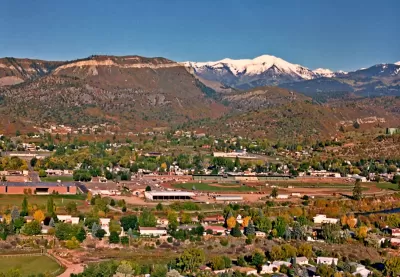
The destructive firestorm that raged through Colorado last month, along with other major fires in the last few years, highlighted the need for added fire protection, known as "hardening," in all of Colorado's suburbs, say fire scientists and officials.
According to an article by Bruce Finley, researchers point to both climate change and the encroachment of flammable homes in fire-prone areas as factors driving more devastating fires and longer fire seasons. Rising temperatures and dry grass that would normally be buried under snow have been fueling fast-moving fires, forcing thousands of residents to evacuate and destroying more than 1,000 homes last year. Meanwhile, record high winds complicate firefighting efforts, sometimes grounding aircraft and rendering traditional tactics ineffective.
Officials and researchers are scrambling to understand how to prepare for the future and facilitate safe and speedy evacuations. With fires threatening "much wider areas than previously understood," land use will play an increasingly important role in protecting communities that were previously presumed safe.
The Colorado Fire Commission, made up of public safety officials, firefighters, law enforcement, and others, are working on a set of recommendations that could include changes in building codes to mandate non-flammable materials, zoning changes to limit construction in fire zones, and prescribed fires.
FULL STORY: Marshall firestorm shows Colorado suburbs now vulnerable as climate warms, “hardening” needed, experts say

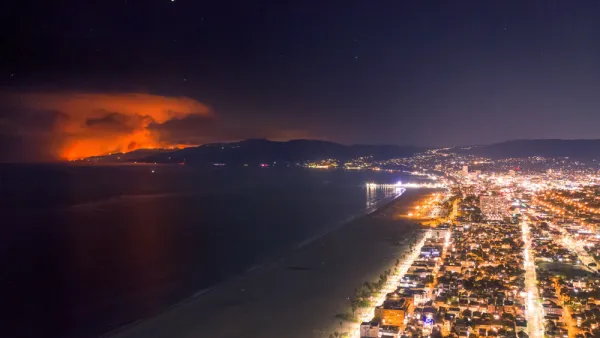
$50 Billion 'Wildfire Risk Strategy' Targets the Wildland-Urban Interface
The U.S. Department of Agriculture in January announced an ambitious, and only partially funded, new plan to reduce wildfire risks for communities around the United States.
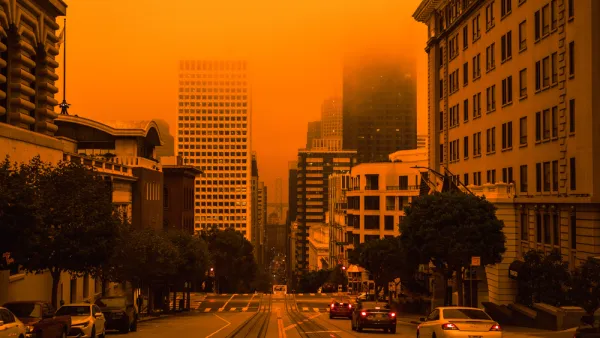
6 Principles to Manage Wildfire Risk With Effective Housing Policy
The connection between housing policy and climate change is made clear by the increasing damage of wildfires in California.
Wildfires in the West Are Climate Change Lessons for Everyone
The wildfires burning throughout the West, with terrible but photogenic consequences, come with a reminder that it's only going to get worse unless massive changes are made right here in the United States.

The state-sanctioned urbicide of Austin
People don’t kill cities. Freeways do.

US to reduce Colorado River water deliveries to Mexico
A new Colorado Treaty amendment reduces Mexico’s Colorado River water allocation by 250,000 acre feet.

New Jersey’s second-largest city bans standalone data centers
Jersey City will continue to allow co-location facilities, such as those meant for research institutions that store their own data.

Amtrak not solely to blame for New Jersey commuter rail's unreliability, report finds
A new study from the Garden State Initiative found that NJ Transit’s budget grew 20% across a 4 year period, but reliability declined significantly over the same period.

EPA erases limits on planet-warming pollution from power plants
Under Monday’s plan, power plants would still have some limits on how much mercury, arsenic and other contaminants they can emit.

Phoenix announces new on-demand transit service, more frequent RAPID buses
Both new services will launch in October, and are part of Phoenix's Project Effective Access Solutions for Easing Congestion.

FREE Course: Walkable City 1: Why Walkability?
After describing his path towards focusing on walkability as the essence of good planning, Jeff Speck marches through his five principal reasons for making more walkable places.
Reinventing Malls: Planning Alchemy—Turning Gray Fields Into Gold
The course focuses on the opportunities and imperatives that shape reinvention of mall sites.


Eagle County Government
Harvard University Graduate School of Design
Nashville Planning Department
The Architects Foundation
University of Cincinnati Online
The Pocatello Development Authority
The Urban Renewal Agency of the City of Pocatello
Journal of the American Planning Association