Land trusts are diversifying, racking up victories, and conserving millions of acres of land in recent years, according to a recent report.


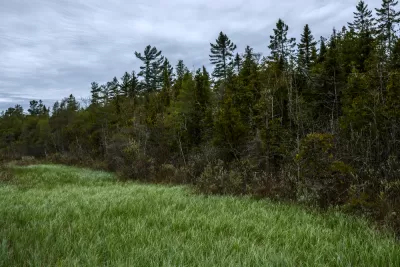
"More than 15 million acres of land across America have been added to the nation’s inventory of conserved land by land trusts since 2010," reports Marcus Schneck for Penn Live.
Those gaudy numbers come courtesy of a new report by the Land Trust Alliance, published in December.
The report breaks down the amount of acreage added to each state. In the state of Pennsylvania, for instance, "land trusts have added 232,704 acres since 2010, raising the state’s total to 880,722 acres," reports Schneck.
"The census also highlighted the role land trusts played in providing solace for many Americans during the COVID-19 pandemic. More than 16.7 million people visited land trust properties in 2020, a substantial increase from 6.25 million in 2015," adds Schneck.
The source article includes demographic data and more information on the management of land trusts around the country.
FULL STORY: Land trusts have saved more than 15 million acres since 2010

Great Lakes Water Quality Project Seeks to Restore Coastal Vegetation
A plan to restore perennial plants to agricultural land could help reduce runoff and improve water quality across the Great Lakes region.
Recession A Boon for Land Preservationists
Preservation groups and land trusts are beneficiaries of the economic recession, as prices on land have dropped low enough for many to buy up land for conservation purposes.
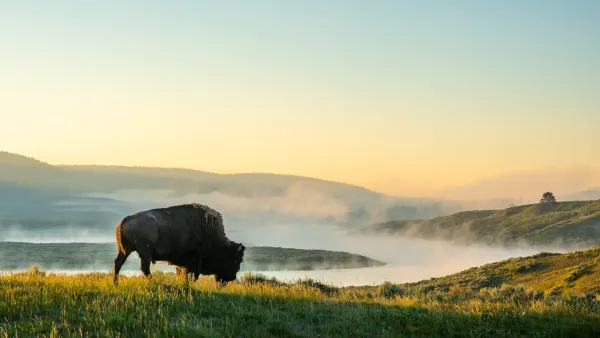
Trump administration orders the removal of 900 bison from public land near Yellowstone
The action marks a drastic shift in wildlife management policy for the Yellowstone-adjacent bison herd.

Planetizen Federal Action Tracker
A weekly monitor of how Trump’s orders and actions are impacting planners and planning in America.

The state-sanctioned urbicide of Austin
People don’t kill cities. Freeways do.

US to reduce Colorado River water deliveries to Mexico
A new Colorado Treaty amendment reduces Mexico’s Colorado River water allocation by 250,000 acre feet.

5 New England states march closer to 800 megawatt wind energy project
Securing federal approval for the project may be complicated under the Trump administration, which has historically been hostile towards domestic wind power.

Baltimore to break ground on $50 million Transit Priority Project
The project will bring faster bus trips, safer streets and better bike connections to Baltimore.

Airbnb launches $250 million 'last-dollar financing' housing accelerator, makes first investment in Austin
The company will put $6.4 million towards affordable housing development in Texas’ capital.

FREE Course: Walkable City 1: Why Walkability?
After describing his path towards focusing on walkability as the essence of good planning, Jeff Speck marches through his five principal reasons for making more walkable places.
Reinventing Malls: Planning Alchemy—Turning Gray Fields Into Gold
The course focuses on the opportunities and imperatives that shape reinvention of mall sites.

Eagle County Government
Harvard University Graduate School of Design
Nashville Planning Department
The Architects Foundation
University of Cincinnati Online
The Pocatello Development Authority
The Urban Renewal Agency of the City of Pocatello
Journal of the American Planning Association