Preservation groups and land trusts are beneficiaries of the economic recession, as prices on land have dropped low enough for many to buy up land for conservation purposes.


"The purchases by conservationists and state and local governments assure that thousands of acres will be put aside in perpetuity for parks, watershed protection or simply preservation of open space.
'We are getting a second bite at properties that never should have been developed in the first place,' said Will Rogers, president of the Trust for Public Land, a national nonprofit group that buys land for preservation. 'We are working on dozens of these deals across the country, and I know other land trusts are as well.'
Although the bubble burst in 2008, it was only in the last six months to a year that many developers and banks became desperate enough to slash prices deeply enough for the trusts, Mr. Rogers and several other conservationists said."
Stalled housing projects and abandoned subdivisions are being bought by these groups and turned into parks and preserves all across the country.
FULL STORY: Preservation Groups Find Bargains in Housing Bust

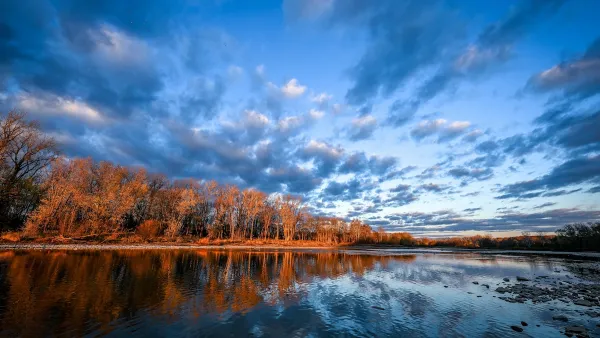
Great Lakes Water Quality Project Seeks to Restore Coastal Vegetation
A plan to restore perennial plants to agricultural land could help reduce runoff and improve water quality across the Great Lakes region.
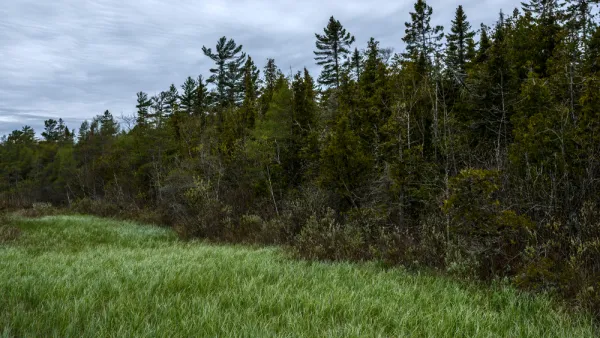
Land Trusts Had a Big Decade
Land trusts are diversifying, racking up victories, and conserving millions of acres of land in recent years, according to a recent report.
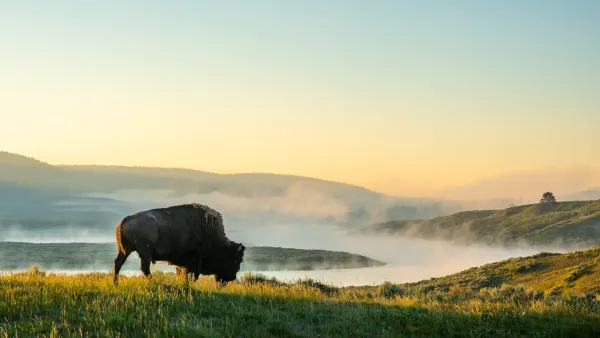
Trump administration orders the removal of 900 bison from public land near Yellowstone
The action marks a drastic shift in wildlife management policy for the Yellowstone-adjacent bison herd.

Planetizen Federal Action Tracker
A weekly monitor of how Trump’s orders and actions are impacting planners and planning in America.

The state-sanctioned urbicide of Austin
People don’t kill cities. Freeways do.

US to reduce Colorado River water deliveries to Mexico
A new Colorado Treaty amendment reduces Mexico’s Colorado River water allocation by 250,000 acre feet.

Airbnb launches $250 million 'last-dollar financing' housing accelerator, makes first investment in Austin
The company will put $6.4 million towards affordable housing development in Texas’ capital.

Guerilla urbanists are building DIY bus stop benches in Chicago
A before-and-after of one of the bus stops with a new bench. The new benches are not officially sanctioned or permitted, but the residents who placed them hope they will be the start of a network of DIY benches across the city.

Mamdani overhauls NYC's Vision Zero plan with 100 new policy goals
The overhaul aims to reduce traffic deaths and make streets safer for pedestrians, cyclists and drivers through lower speed limits, new safety infrastructure and more.

FREE Course: Walkable City 1: Why Walkability?
After describing his path towards focusing on walkability as the essence of good planning, Jeff Speck marches through his five principal reasons for making more walkable places.
Reinventing Malls: Planning Alchemy—Turning Gray Fields Into Gold
The course focuses on the opportunities and imperatives that shape reinvention of mall sites.

Eagle County Government
Harvard University Graduate School of Design
Nashville Planning Department
The Architects Foundation
University of Cincinnati Online
The Pocatello Development Authority
The Urban Renewal Agency of the City of Pocatello
Journal of the American Planning Association