The Federal Reserve Bank of Minneapolis has noticed an alarming spike in investor-owned homes in Minneapolis since the Great Recession.


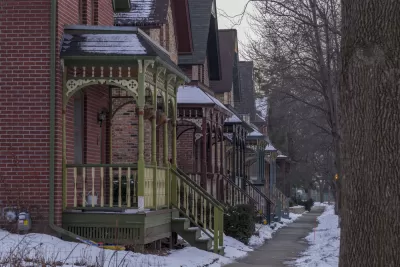
The Federal Reserve Bank of Minneapolis has started monitoring a disturbing trend, writes Joy Wiltermuth: "an explosion of investor-owned homes" in high-poverty neighborhoods. According to a Minneapolis Fed report, the rate of investor-owned homes rose sharply after the Great Recession, with a growing number of 'very large' investors—those who own 50 or more properties—snapping up foreclosed homes. The trend accelerated during the COVID-19 pandemic as some homeowners were forced to sell or fell into foreclosure.
"One concern is that deep-pocketed investors 'make it harder for families, particularly lower-income households who are more likely to be people of color, to compete in the home-buying process,' according to the report." In Northeast Minneapolis, where the poverty rate is 41.7 percent, investors own close to a third of residential properties. The report also cites concerns that increased ownership by absentee investors who provide little maintenance will lead to the deterioration of housing stock and poor conditions for tenants.
Read the full story: High-poverty neighborhoods in Twin Cities see explosion of investor-owned homes. The Minneapolis Fed now is keeping track

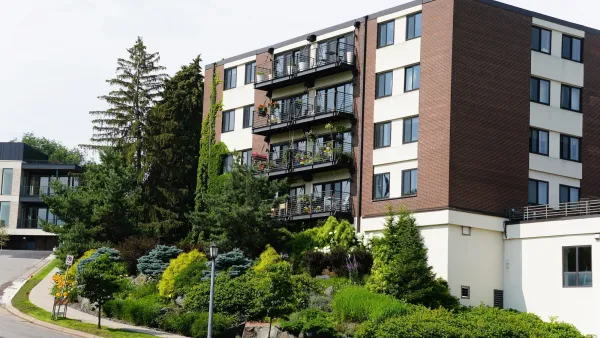
How policy changes helped Minneapolis beat rent inflation
Despite a boom in population, Minneapolis has managed to keep rents relatively steady through a combination of legislative action and private investment.

Pennsylvania Housing Action Plan Calls for $1B Fund, Expanded Renter Protections, Homebuyer Assistance
Gov. Shapiro’s proposed plan would bolster support for renters and homebuyers and reduce barriers to housing development.

LGBTQ+ Groups Have Been Quietly Buying Property, Building Equity and Community
A temporary window of flexible funds in the early 2020s allowed many queer- and trans-led organizations to achieve long-held dreams of owning their own buildings and housing their members.

Planetizen Federal Action Tracker
A weekly monitor of how Trump’s orders and actions are impacting planners and planning in America.

California plans to bury El Niño’s downpour
If the state plays its cards right, it may be able to store a billion acre-feet of El Niño’s water in aquifers.

Desperate measures: Advocates weigh draining Lake Powell to fill Colorado River
Draining the reservoir could reduce evaporation losses by a couple hundred thousand acre-feet.

40 years after approval, Chicago breaks ground on new park
The park honors Jean Baptiste Point du Sable, the city’s first permanent non-native settler.

‘Hoodwinked:’ New Mexico bill aimed at microgrids paves way for data center development
In an interview with High Country News, Padilla said the legislation “ignited” New Mexico's economy.

California’s ‘unrecognizable’ water plan may go down the drain
After four years of regulatory processes, water agencies say the plan to overhaul how cities and farms take water from the Sacramento-San Joaquin Delta has changed dramatically.

FREE Course: Walkable City 1: Why Walkability?
After describing his path towards focusing on walkability as the essence of good planning, Jeff Speck marches through his five principal reasons for making more walkable places.
Reinventing Malls: Planning Alchemy—Turning Gray Fields Into Gold
The course focuses on the opportunities and imperatives that shape reinvention of mall sites.

City of Rosemead
Rutgers University, Edward J. Bloustein School of Planning and Public Policy
One Hundred Miles
Hunter College, City University of New York (CUNY)
The Architects Foundation
University of Cincinnati Online
City of Cambridge
Montrose County
The Pocatello Development Authority