The city of Seattle is working on a plan to create a zero-emissions zone to mitigate urban pollution and reduce carbon emissions in dense, congested parts of the city.


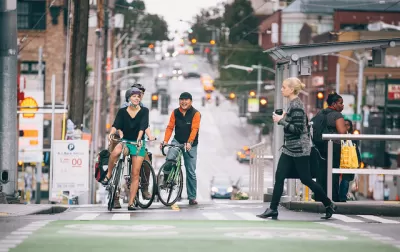
In order to meet its commitment to the C40 Fossil-Fuel-Free Streets Declaration, Seattle has released a memo draft that outlines the city's plan to implement an emissions-free zone, reports Ryan Packer for The Urbanist.
While many details of the proposal are redacted, the memo mentions two strategies that the city plans to implement, says Packer: "utilizing street space in commercial business districts (like with the Ballard Avenue cafe street or The Patio common restaurant seating area in Columbia City) and designating residential streets local-access-only with the Stay Healthy Streets program and the Home Zone pilots programs."
Seattle first signed on to the C40 pledge in 2017, one of 12 cities to do so at the time. Strategies employed by other cities include cordon pricing for vehicles entering central zones, pedestrianizing streets, and improving bike and pedestrian infrastructure. On its website, the C40 calls low-emission zones (LEZs) "a way for cities to take ambitious action more quickly in a priority area," letting cities expand the programs as results become apparent.
Planetizen has previously covered plans for zero-emissions neighborhoods in Santa Monica, where a designated zero-emissions delivery zone gives priority access to clean vehicles, and Bergen, which plans to transform a former shipping district to a 'regenerative' car-free zone that relies on low-impact mobility and access to the city's public transit system.
Read the full story: Four Years Later, Seattle Emissions-Free Area Has Gone From Promise to Draft Plan

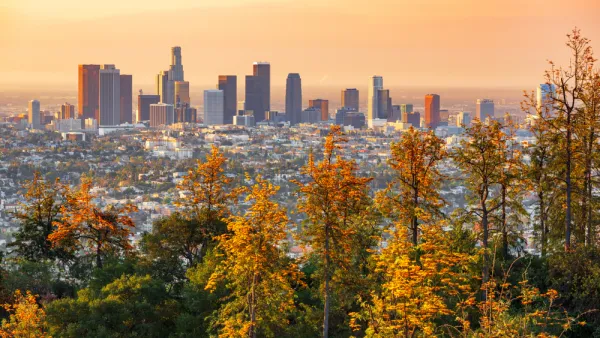
LA’s Trees Absorb More Carbon Than Expected, But Can’t Do It Alone
A USC study finds that Los Angeles’ urban trees absorb more carbon than expected, but while they provide crucial environmental benefits, they cannot replace the urgent need for systemic emissions reductions.
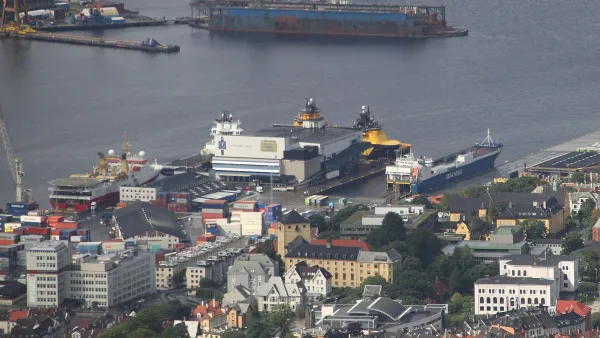
Norwegian City Plans for Zero-Emissions Neighborhood
As it winds down port operations in the area, Bergen plans to transform its Dokken district from a busy shipping hub to a car-free, 'regenerative' zone.
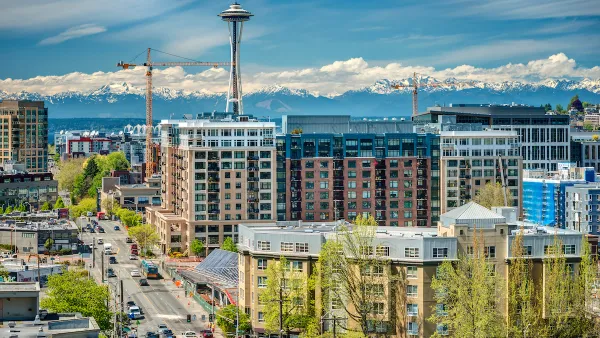
Seattle Passes Building Emissions Law
The law calls for buildings larger than 20,000 square feet to eliminate fossil fuels by 2050.

Planetizen Federal Action Tracker
A weekly monitor of how Trump’s orders and actions are impacting planners and planning in America.

Northwest rail fans eager for Sept. 30 debut of Amtrak’s Airo fleet
Get ready for that new train smell and more seats. But they won’t go faster or run more frequently on the Cascades route in Washington and Oregon.
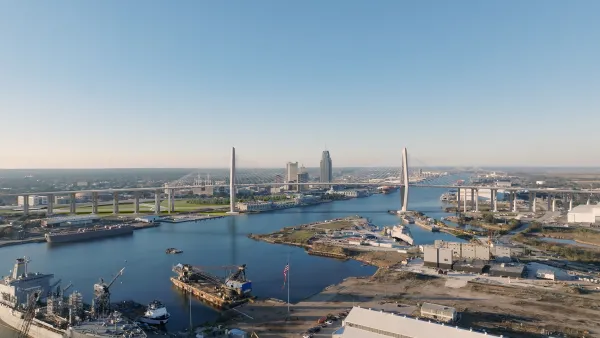
Alabama scores up to $2.5 billion federal loan for largest infrastructure project in state’s history
The Mobile River Bridge and Bayway Project aims to ease congestion at Alabama’s worst bottleneck.

Novel study finds extreme state-by-state disparity in housing construction timelines
The first comprehensive working paper on U.S. construction timelines also found that the permitting process for multi-family projects has slowed nationwide.

California may destroy its beaches trying to save homes from El Niño
Boulders and seawalls can protect homes from waves, but ultimately destroy sandy beaches.

California high-speed rail accomplishes only one legislative goal in 2026
The majority of the agency's failed pitches were never developed into written proposals.

FREE Course: Walkable City 1: Why Walkability?
After describing his path towards focusing on walkability as the essence of good planning, Jeff Speck marches through his five principal reasons for making more walkable places.
Reinventing Malls: Planning Alchemy—Turning Gray Fields Into Gold
The course focuses on the opportunities and imperatives that shape reinvention of mall sites.

City of Thousand Oaks
City of Wisconsin Rapids
Harvard University Graduate School of Design
The Architects Foundation
University of Cincinnati Online
Northern Illinois Transit Authority (NITA)
The Pocatello Development Authority
The Urban Renewal Agency of the City of Pocatello