The MOVE Culver City project will connect downtown Culver City with the E Line train, giving residents easier access to downtown Los Angeles and beach communities.


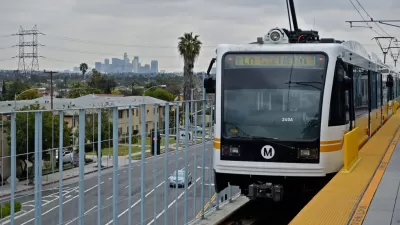
The long-awaited MOVE Culver City project broke ground last Monday, reports Steven Sharp, beginning "the permanent installation of new transit and active transportation infrastructure connecting Downtown Culver City with the E Line and the Arts District." The city will install bus and bike platforms, new transit and bike signals, and new striping in an effort to ease congestion, improve mobility, and create a better connection to the E Line train, which connects Culver City to Santa Monica in the west and downtown Los Angeles in the east.
The project is a result of a 2017 TOD Visioning Study and has several future phases planned. According to the project website, it "envisions a reimagining of our streets as public spaces and prioritizes moving people over cars in the design of the street." MOVE Culver City "involves the rapid design and construction of three mobility lanes (bus-bike lanes) on Culver and Washington Boulevard Downtown, Sepulveda Boulevard, and Jefferson Boulevard using the Quick-Build method."
The project website includes information about construction phases and schedules, an interactive map where stakeholders can mark "areas of concern," and videos of prior public meetings.
FULL STORY: Phase one of MOVE Culver City begins construction

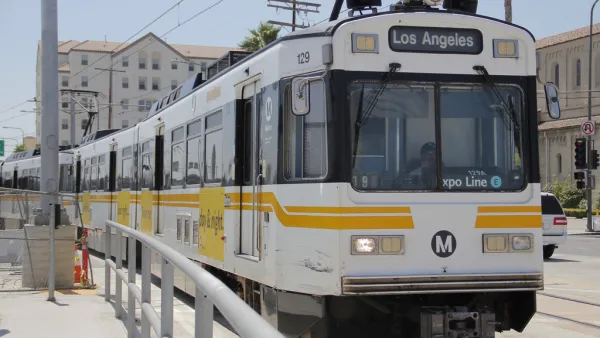
What L.A.'s New Expo Line Extension Won't Do
The $1.5 billion, 6.6-mile light rail extension from Culver City to Santa Monica is projected to double trips on the line by 2030, giving commuters a viable alternative to driving. Just the same, don't expect the extension to reduce congestion.
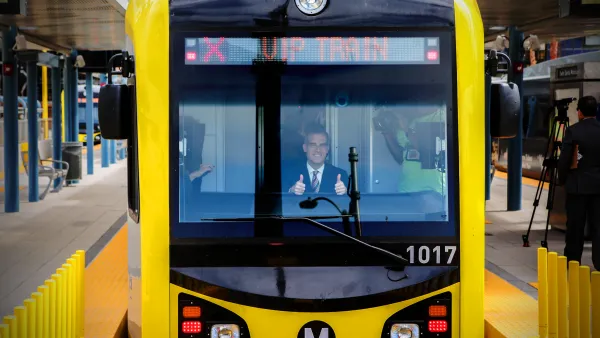
What It's Like to Ride the New Expo Line to Santa Monica
For a bit of fun, take this animated ride on the Los Angeles County Metropolitan Transportation Authority's new Expo Line extension.
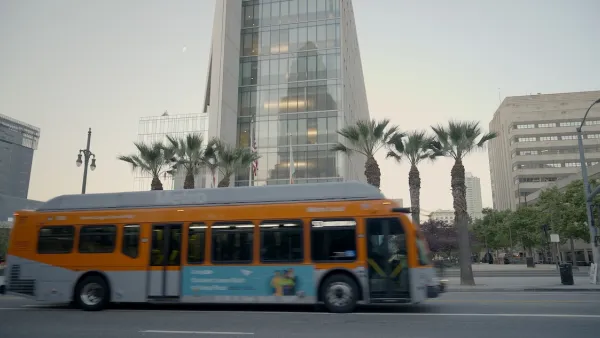
LA to Launch Bus Lane Enforcement Cameras
Bus-mounted cameras will identify vehicles that block designated bus lanes to help prevent delays and maintain reliable transit operations.

Planetizen Federal Action Tracker
A weekly monitor of how Trump’s orders and actions are impacting planners and planning in America.

The state-sanctioned urbicide of Austin
People don’t kill cities. Freeways do.

US to reduce Colorado River water deliveries to Mexico
A new Colorado Treaty amendment reduces Mexico’s Colorado River water allocation by 250,000 acre feet.

Mamdani overhauls NYC's Vision Zero plan with 100 new policy goals
The overhaul aims to reduce traffic deaths and make streets safer for pedestrians, cyclists and drivers through lower speed limits, new safety infrastructure and more.

Amtrak not solely to blame for New Jersey commuter rail's unreliability, report finds
A new study from the Garden State Initiative found that NJ Transit’s budget grew 20% across a 4 year period, but reliability declined significantly over the same period.

EPA erases limits on planet-warming pollution from power plants
Under Monday’s plan, power plants would still have some limits on how much mercury, arsenic and other contaminants they can emit.

FREE Course: Walkable City 1: Why Walkability?
After describing his path towards focusing on walkability as the essence of good planning, Jeff Speck marches through his five principal reasons for making more walkable places.
Reinventing Malls: Planning Alchemy—Turning Gray Fields Into Gold
The course focuses on the opportunities and imperatives that shape reinvention of mall sites.

Eagle County Government
Harvard University Graduate School of Design
Nashville Planning Department
The Architects Foundation
University of Cincinnati Online
The Pocatello Development Authority
The Urban Renewal Agency of the City of Pocatello
Journal of the American Planning Association