A recent Nantucket Town Meeting resolved a long-simmering controversy regarding short-term rentals.


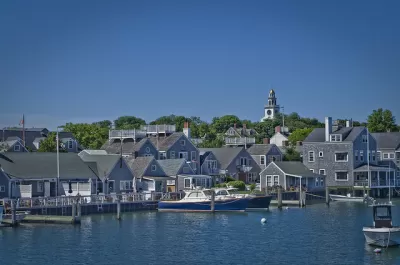
"Nantucket voters on Saturday overwhelmingly rejected proposed restrictions on short-term vacation rentals," reports Joshua Balling.
The short-term rental restrictions provoked serious controversy in the coastal community, as detailed in a Boston Globe article by Tim Logan published in the days leading up to the deciding Town Meeting.
The Town Meeting spanned eight hours, with the numbers dwindling from 900 in attendance at the beginning to 150 at the end, according to Balling. The entire Town Meeting is available to watch (in my viewing, after an advertisement for short-term rental company VRBO) on YouTube.
The controversial amendment, proposed by ACK*Now, "would have established a local rental registry, and set strict limits on the number of days a home could be rented each year – 45 – require minimum stays and restrict the number of people per bedroom and vehicles per property," explains Balling.
The Town Meeting was a busy one—in addition to the vote on short-term rentals, residents also decided against a proposal that would have allotted 25 percent of the $20 million the city budgets for its Land Bank on other affordable housing initiatives. Residents also prohibited pools on lots of less than 7,500 square feet in a number of zoning districts outside the town's downtown and banned gas-powered leaf blowers.
FULL STORY: Nantucket voters shoot down short-term vacation rental restrictions, diversion of Land Bank funds

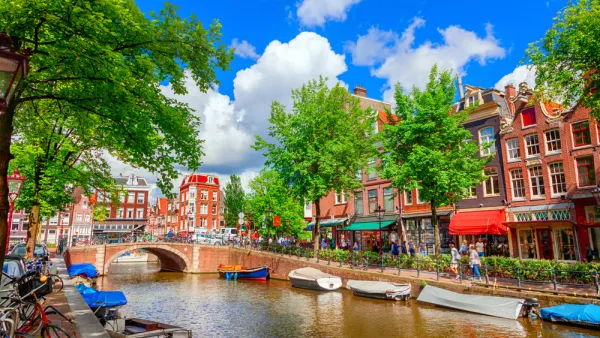
'Fairbnb' Attempts to Right the Wrongs of Short-Term Rentals
A new attempt at mitigating the social impact of short-term rentals and mass tourism.

New Orleans Already Rethinking its Short-Term Rental Regulations
New Orleans passed short-term rental regulations into law in October 2016, and launched a permitting process launched in April 2017. By May 2018, some city councilmembers are already proposing change.
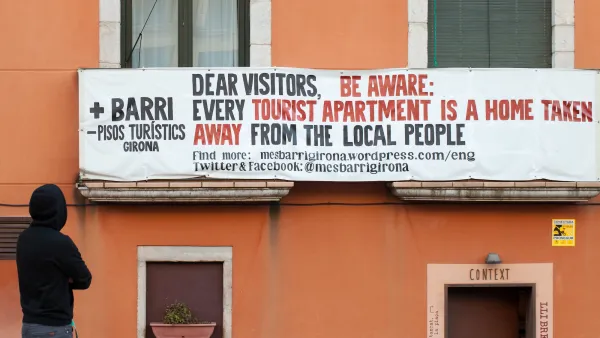
Spain Fines Airbnb $75 Million After Crackdown on Unlicensed Rentals
The government took action after residents in tourist centers protested, blaming tourist rentals for a growing housing crisis.

Planetizen Federal Action Tracker
A weekly monitor of how Trump’s orders and actions are impacting planners and planning in America.

The state-sanctioned urbicide of Austin
People don’t kill cities. Freeways do.

US to reduce Colorado River water deliveries to Mexico
A new Colorado Treaty amendment reduces Mexico’s Colorado River water allocation by 250,000 acre feet.

5 New England states march closer to 800 megawatt wind energy project
Securing federal approval for the project may be complicated under the Trump administration, which has historically been hostile towards domestic wind power.

Baltimore to break ground on $50 million Transit Priority Project
The project will bring faster bus trips, safer streets and better bike connections to Baltimore.

Airbnb launches $250 million 'last-dollar financing' housing accelerator, makes first investment in Austin
The company will put $6.4 million towards affordable housing development in Texas’ capital.

FREE Course: Walkable City 1: Why Walkability?
After describing his path towards focusing on walkability as the essence of good planning, Jeff Speck marches through his five principal reasons for making more walkable places.
Reinventing Malls: Planning Alchemy—Turning Gray Fields Into Gold
The course focuses on the opportunities and imperatives that shape reinvention of mall sites.

Eagle County Government
Harvard University Graduate School of Design
Nashville Planning Department
The Architects Foundation
University of Cincinnati Online
The Pocatello Development Authority
The Urban Renewal Agency of the City of Pocatello
Journal of the American Planning Association