Just a few days after signing the $1.9 trillion "American Rescue Plan," the Biden administration is reportedly putting together a massive infrastructure spending plan that could overhaul the nation's transportation an energy infrastructure.


Jim Tankersley reports: "President Biden’s economic advisers are preparing to recommend spending as much as $3 trillion on a sweeping set of efforts aimed at boosting the economy, reducing carbon emissions and narrowing economic inequality, beginning with a giant infrastructure plan that may be financed in part through tax increases on corporations and the rich."
Advisors are expected to present a $3 trillion infrastructure plan to President Biden this week, along with a strategy that would split the spending plan into separate legislative pieces.
"Mr. Biden supports all of the individual spending and tax cut proposals under consideration, but it is unclear whether he will back splitting his agenda into pieces, or what legislative strategy he and Democratic leaders will pursue to maximize the chances of pushing the new programs through Congress given their narrow majorities in both chambers," according to Tankersley.
Tankersley says the package reflects the president's goals "to narrow economic inequality, reduce the carbon emissions that drive climate change and improve American manufacturing and high-technology industries in an escalating battle with China and other foreign competitors."
The article also considers the political prospects of the speculative Biden infrastructure plan, noting that Republican support will depend on financing plan for such massive expenditures. The Trump administration also had an infrastructure plan with large monetary figures attached, but failed to win enough Congressional support to gain traction after a Senate Environment and Public Works Committee hearing in early 2018.
FULL STORY: Biden Team Preparing Up to $3 Trillion in New Spending for the Economy

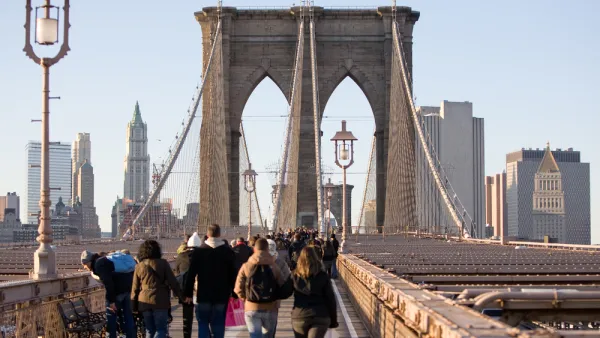
'American Jobs Plan': Potential Sea Change for Federal Infrastructure Spending
After a week of speculation and rumor, the Biden administration today revealed its promised infrastructure plan.
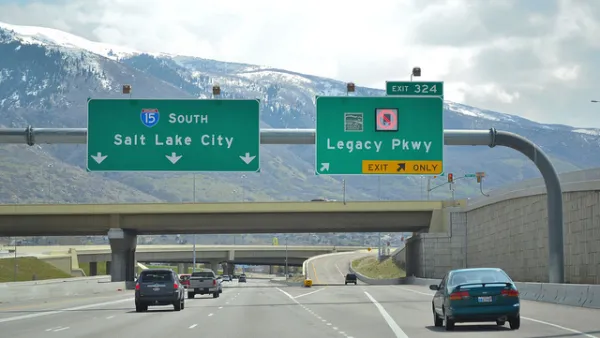
Opinion: America's Infrastructure Doesn't Need a Federal Spending 'Binge'
Despite alarming claims about the nation's roads and bridges, a column in the Chicago Tribune argues that the administration's proposed infrastructure spending doesn't match actual needs.
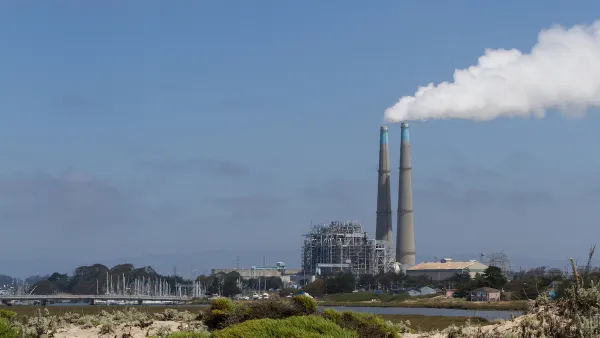
Making Natural Gas Power Plants Cleaner
Carbon capture and storage has long been associated with coal-burning power plants. Calpine Corp. hopes to apply the controversial technology to existing natural gas power plants, beginning with a pilot project to start this month in the Bay Area.

The state-sanctioned urbicide of Austin
People don’t kill cities. Freeways do.

US to reduce Colorado River water deliveries to Mexico
A new Colorado Treaty amendment reduces Mexico’s Colorado River water allocation by 250,000 acre feet.

New Jersey’s second-largest city bans standalone data centers
Jersey City will continue to allow co-location facilities, such as those meant for research institutions that store their own data.

Amtrak not solely to blame for New Jersey commuter rail's unreliability, report finds
A new study from the Garden State Initiative found that NJ Transit’s budget grew 20% across a 4 year period, but reliability declined significantly over the same period.

EPA erases limits on planet-warming pollution from power plants
Under Monday’s plan, power plants would still have some limits on how much mercury, arsenic and other contaminants they can emit.

Phoenix announces new on-demand transit service, more frequent RAPID buses
Both new services will launch in October, and are part of Phoenix's Project Effective Access Solutions for Easing Congestion.

FREE Course: Walkable City 1: Why Walkability?
After describing his path towards focusing on walkability as the essence of good planning, Jeff Speck marches through his five principal reasons for making more walkable places.
Reinventing Malls: Planning Alchemy—Turning Gray Fields Into Gold
The course focuses on the opportunities and imperatives that shape reinvention of mall sites.

Eagle County Government
Harvard University Graduate School of Design
Nashville Planning Department
The Architects Foundation
University of Cincinnati Online
The Pocatello Development Authority
The Urban Renewal Agency of the City of Pocatello
Journal of the American Planning Association