With the state mandating a switch to electric vehicles by 2035, Petaluma is aligning its land use regulations with its climate goals.


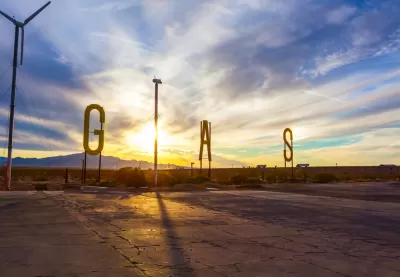
The city of Petaluma, located in the North Bay Area in California, is the first city in the United States to ban the construction of new gas stations.
Kathryn Palmer reports that the city approved the decision in February, cementing a two-year moratorium on new gas stations. A unanimous vote by the Petaluma City Council on Monday, March 1 took the final step toward adoption. The decision is intended to contribute to the city's goals to achieve zero emissions by 2030, and piggybacks on a push at the state level to end the sale of gas-powered automobiles.
"It also streamlines processes for existing gas stations seeking to add electric vehicle charging stations and potential hydrogen fuel cell stations, with city staff underlining an urgency to support alternative fueling in order to meet state zero-emission infrastructure targets," reports Palmer.
The city of 60,000 people currently has 16 operational gas stations, with a gas station within a five-minute drive of every planned or existing residence in the city, according to the article. According to the article, a recent controversy over a planned gas station at a Safeway supermarket location contributed, but was not the sole reason, to the decision.
The city's status as the first city in the country to ban the development of new gas stations has been picked up by the regional and national media sources. Andrew Chamings reports on the story for SFGate, headlining the "first in the U.S." detail. Tim Levin frames the story as a step toward an all-electric future in a story for Business Insider. Steve Schrader picks up the story for The Drive, also headlining the "first" angle. And Jennifer A Kingston picked up the news for Axios, implying that Petaluma is the first of what will eventually be many cities to take similar action.
FULL STORY: Petaluma City Council moves to ban new gas stations

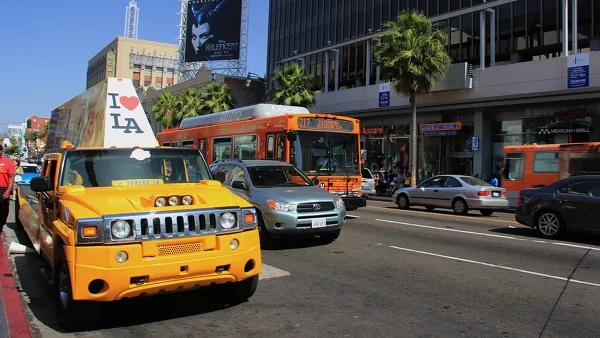
Can Los Angeles Join the Anti-Gas Station Movement?
A growing number of cities in California have prohibited the construction of new gas stations. Los Angeles could soon consider an ordinance to do the same—in a landmark move for the city some believe to be a symbol of car-dependent sprawl.

Uber Abandons Climate Commitments, Kills EV Incentive for Drivers
The company is dropping its pledge to fully electrify its fleet by 2030 and eliminating a monthly bonus for drivers who switch to EVs.
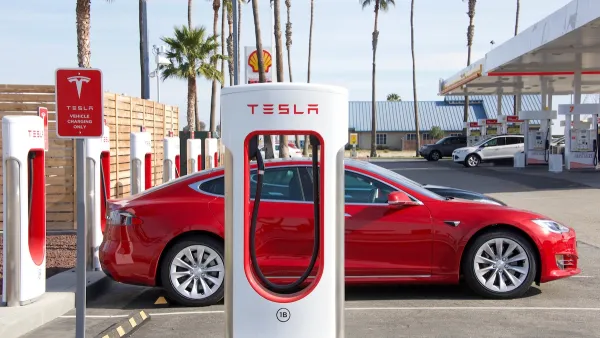
Trump's New Move Makes Gas Stations the new EV Charging Hot Spot
The revised National Electric Vehicle Infrastructure program guidance prioritizes funding for projects sited on locations owned by the EV charging operator and near existing amenities.

Planetizen Federal Action Tracker
A weekly monitor of how Trump’s orders and actions are impacting planners and planning in America.

The state-sanctioned urbicide of Austin
People don’t kill cities. Freeways do.

US to reduce Colorado River water deliveries to Mexico
A new Colorado Treaty amendment reduces Mexico’s Colorado River water allocation by 250,000 acre feet.

Mamdani overhauls NYC's Vision Zero plan with 100 new policy goals
The overhaul aims to reduce traffic deaths and make streets safer for pedestrians, cyclists and drivers through lower speed limits, new safety infrastructure and more.

Amtrak not solely to blame for New Jersey commuter rail's unreliability, report finds
A new study from the Garden State Initiative found that NJ Transit’s budget grew 20% across a 4 year period, but reliability declined significantly over the same period.

EPA erases limits on planet-warming pollution from power plants
Under Monday’s plan, power plants would still have some limits on how much mercury, arsenic and other contaminants they can emit.

FREE Course: Walkable City 1: Why Walkability?
After describing his path towards focusing on walkability as the essence of good planning, Jeff Speck marches through his five principal reasons for making more walkable places.
Reinventing Malls: Planning Alchemy—Turning Gray Fields Into Gold
The course focuses on the opportunities and imperatives that shape reinvention of mall sites.

Eagle County Government
Harvard University Graduate School of Design
Nashville Planning Department
The Architects Foundation
University of Cincinnati Online
The Pocatello Development Authority
The Urban Renewal Agency of the City of Pocatello
Journal of the American Planning Association