With some of the highest per-mile costs in the world, the state wants more accountability for New York City's transit spending.


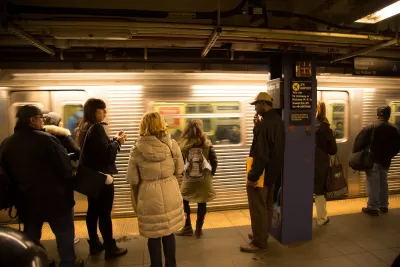
Clayton Guse reports that New York's Metropolitan Transportation Authority (MTA) is late on delivering a state-mandated report that compares its operating expenses with those of transit agencies in similar international cities.
Last year, after a Marron Institute study found that "MTA spends significantly more per mile of new subway track than any other transit agency on the planet," state legislators implemented a law requiring the MTA to provide a comparison with other modern transit systems in major international cities. The rule is "meant to encourage transit leaders to make sure they are properly spending the public’s money" by assessing how their daily operating expenses compare to "national and international peer cities."
After delaying the report for a year last January, the MTA missed the January 2021 deadline for submitting the report as well. State Senator Leroy Comrie (D-Queens) admonished the agency, stating "laws are not passed to be treated as suggestions." Given the MTA's massive expenditures and "immense strain" caused by the pandemic, monitoring operational efficiencies is "more important than ever," says Colin Wright, an advocacy associate with TransitCenter.
The MTA says it is "in the process of finalizing the report" and that it expects to cut $601 million in costs during 2021, though a spokesperson did not provide details on how the cost savings will be achieved.
FULL STORY: MTA ignores state mandate to compare sky-high costs with expenses of transit systems in other countries

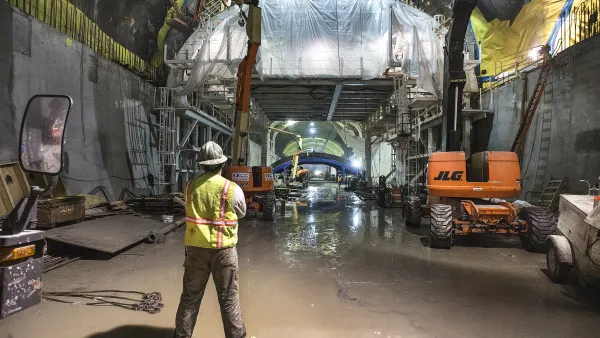
More Research Needed to Reduce Transit Construction Costs
Why isn't more being done to reduce transit construction costs in the United States?
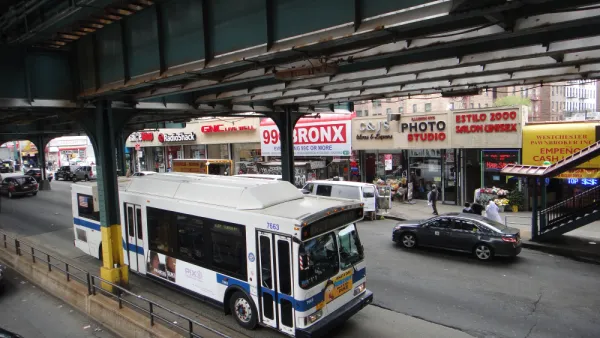
Changes to Local Service in the Bronx Benefit Bus Speeds, Ridership
Another example of how improving bus service design can benefit transit riders and transit systems emerges in New York City. More such local system redesigns are on the way soon in the Big Apple.
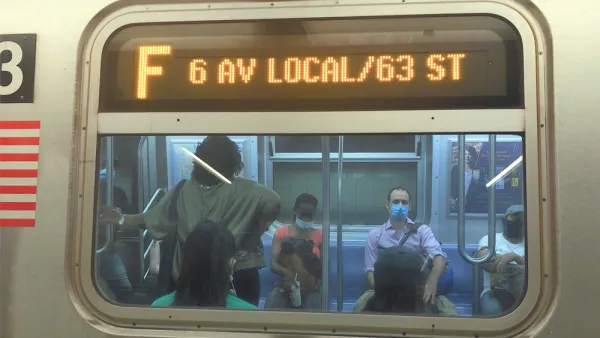
Overnight Subway Service Returning in New York City
A big piece of the process of reopening New York City for business is scheduled for May 17, but numerous challenges remain in getting the city that never sleeps back on track.

The state-sanctioned urbicide of Austin
People don’t kill cities. Freeways do.

US to reduce Colorado River water deliveries to Mexico
A new Colorado Treaty amendment reduces Mexico’s Colorado River water allocation by 250,000 acre feet.

New Jersey’s second-largest city bans standalone data centers
Jersey City will continue to allow co-location facilities, such as those meant for research institutions that store their own data.

Amtrak not solely to blame for New Jersey commuter rail's unreliability, report finds
A new study from the Garden State Initiative found that NJ Transit’s budget grew 20% across a 4 year period, but reliability declined significantly over the same period.

EPA erases limits on planet-warming pollution from power plants
Under Monday’s plan, power plants would still have some limits on how much mercury, arsenic and other contaminants they can emit.

Phoenix announces new on-demand transit service, more frequent RAPID buses
Both new services will launch in October, and are part of Phoenix's Project Effective Access Solutions for Easing Congestion.

FREE Course: Walkable City 1: Why Walkability?
After describing his path towards focusing on walkability as the essence of good planning, Jeff Speck marches through his five principal reasons for making more walkable places.
Reinventing Malls: Planning Alchemy—Turning Gray Fields Into Gold
The course focuses on the opportunities and imperatives that shape reinvention of mall sites.

Eagle County Government
Harvard University Graduate School of Design
Nashville Planning Department
The Architects Foundation
University of Cincinnati Online
The Pocatello Development Authority
The Urban Renewal Agency of the City of Pocatello
Journal of the American Planning Association