A new half-acre park is taking shape on a previously undeveloped hillside property in Chinatown, one of the more densely populated and park-poor areas in L.A.


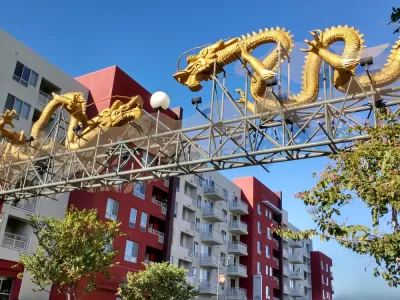
According to the Los Angeles Countywide Parks Needs Assessment, Chinatown is located in a study area with a high level of park need. The area only has 1.6 acres of parkland per 1,000 residents, which is substantially below the Countywide average of 3.3. acres per 1,000 residents. Thus, it is good news that Chinatown will soon be getting a beautiful new park.
Located just north of Chinatown Library, the new half-acre park sits on a previously undeveloped hillside property at the intersection of Yale and Ord Streets. Former City Councilmember Ed Reyes and former County Supervisor Gloria Molina have pushed hard to convert the land to public green space for over a decade.
As reported by Steven Sharp, landscape architecture firm AHBE | MIG designed a project characterized by staircases and various terrace levels due to its hillside location. The stepped levels provide three entrance points along Ord Street and Hill Place, and will include landscaping, seating areas, viewing platforms, and exercise equipment. The original project cost was $8.5 million, but has since escalated to over $11.3 million due to the rising costs of construction in the Los Angeles area.
FULL STORY: Terraced Pocket Park Takes Shape in Chinatown

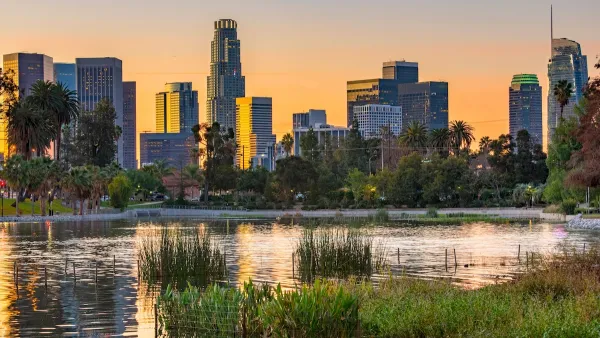
Delivering on the Promise of Parks
In LA County, even amid budget challenges, new parks are opening, targeted investments are being made in underserved communities, and long-term plans are guiding progress — demonstrating a sustained commitment to parks as essential infrastructure.
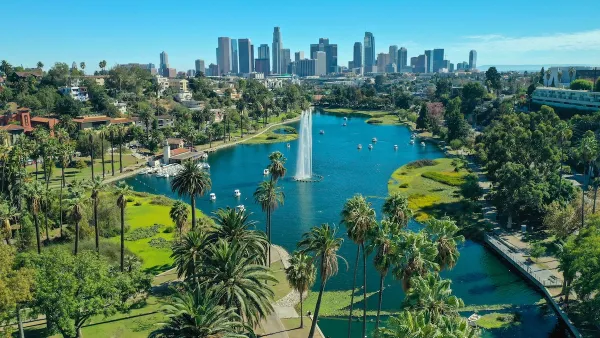
A Historic Investment in LA County’s Parks and Open Spaces
Los Angeles County has launched its largest-ever competitive grant program, investing $58 million to expand park access, enhance climate resilience, and support community-driven projects in the areas that need them most.
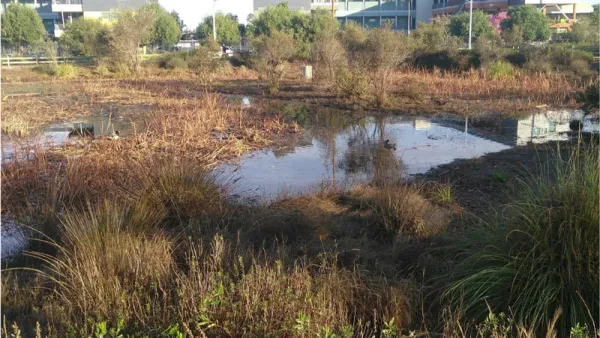
How South LA Green Spaces Power Community Health and Hope
Green spaces like South L.A. Wetlands Park are helping South Los Angeles residents promote healthy lifestyles, build community, and advocate for improvements that reflect local needs in historically underserved neighborhoods.

The state-sanctioned urbicide of Austin
People don’t kill cities. Freeways do.

US to reduce Colorado River water deliveries to Mexico
A new Colorado Treaty amendment reduces Mexico’s Colorado River water allocation by 250,000 acre feet.

New Jersey’s second-largest city bans standalone data centers
Jersey City will continue to allow co-location facilities, such as those meant for research institutions that store their own data.

Amtrak not solely to blame for New Jersey commuter rail's unreliability, report finds
A new study from the Garden State Initiative found that NJ Transit’s budget grew 20% across a 4 year period, but reliability declined significantly over the same period.

EPA erases limits on planet-warming pollution from power plants
Under Monday’s plan, power plants would still have some limits on how much mercury, arsenic and other contaminants they can emit.

Phoenix announces new on-demand transit service, more frequent RAPID buses
Both new services will launch in October, and are part of Phoenix's Project Effective Access Solutions for Easing Congestion.

FREE Course: Walkable City 1: Why Walkability?
After describing his path towards focusing on walkability as the essence of good planning, Jeff Speck marches through his five principal reasons for making more walkable places.
Reinventing Malls: Planning Alchemy—Turning Gray Fields Into Gold
The course focuses on the opportunities and imperatives that shape reinvention of mall sites.

Eagle County Government
Harvard University Graduate School of Design
Nashville Planning Department
The Architects Foundation
University of Cincinnati Online
The Pocatello Development Authority
The Urban Renewal Agency of the City of Pocatello
Journal of the American Planning Association