The map of metropolitan areas that drive least, and thus emit fewer greenhouse gas emissions, has been completely redrawn by the pandemic, according to a recent report.


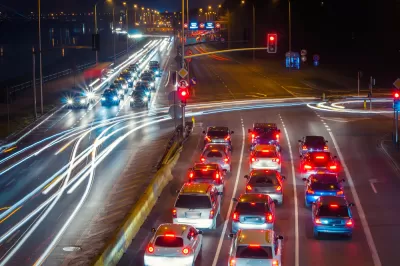
Kristin Musulin reports:
StreetLight Data has released its 2020 U.S. Transportation Climate Impact Index, which ranks the nation's 100 most populous metro areas on vehicle miles traveled (VMT), mileage of bike and pedestrian commuting, per-capita transit use, population density and circuity.
This year's reports reflects a major shakeup from the 2019 list, thanks to the wild shifts in transportation patterns due to public health restrictions and the resulting economic fallout during the pandemic. Only two cities, San Francisco and New York, appear on both the 2020 and the 2019 list according to Musulin.
"StreetLight Data recognized the COVID-19 pandemic has had an 'unprecedented impact' on vehicle miles traveled (VMT) nationally, which in turn impacted the rankings," writes Musulin.
Overall, VMT is still down compared to pre-pandemic times, continuing a trend identified in a report released by StreetLight Data this summer.
Phaedra Hise, StreetLight Data's director of content, is quoted in the article adding the caveat that it is too soon to tell whether these changes will be permanent, but the pandemic travel data does reveal some hope that localities can decouple VMT from economic growth (measured by GDP).
Read the full story: COVID ushers new cities to top of VMT climate index
Report: Vehicle Miles Traveled Almost Fully Returned to Pre-Pandemic Levels
Reports last week that the U.S. economy is about 30 percent smaller than before the pandemic aren't reflected in driving trends.
Greenhouse Gas Emissions Reduced 17% Worldwide in April, Study Says
A recently published study predicts a 4 to 7 percent decline in greenhouse gas emissions for 2020 compared to 2019.
Ranking the Climate Impact of Transportation in the 100 Largest U.S. Metro Areas
This performance ranking separates the fakers from the legit operation to reduce carbon emissions from transportation.

Planetizen Federal Action Tracker
A weekly monitor of how Trump’s orders and actions are impacting planners and planning in America.

California plans to bury El Niño’s downpour
If the state plays its cards right, it may be able to store a billion acre-feet of El Niño’s water in aquifers.

Desperate measures: Advocates weigh draining Lake Powell to fill Colorado River
Draining the reservoir could reduce evaporation losses by a couple hundred thousand acre-feet.

Chicago voters approve permanent festival grounds, penalty for vacant property owners
Currently, major summer and fall festivals take over public parks for weeks at a time, drawing criticism from nearby residents

NYC votes to cut outdoor dining red tape, speed up permitting
New York City also voted to allow the Department of Transportation to begin work on urgent projects before notifying elected officials.

California appears to reject Prop. 45
The proposition would have expanded the projects that qualify for a streamlined environmental review, effectively paring down the California Environmental Quality Act.

FREE Course: Walkable City 1: Why Walkability?
After describing his path towards focusing on walkability as the essence of good planning, Jeff Speck marches through his five principal reasons for making more walkable places.
Reinventing Malls: Planning Alchemy—Turning Gray Fields Into Gold
The course focuses on the opportunities and imperatives that shape reinvention of mall sites.

City of Rosemead
Rutgers University, Edward J. Bloustein School of Planning and Public Policy
One Hundred Miles
Hunter College, City University of New York (CUNY)
The Architects Foundation
University of Cincinnati Online
City of Cambridge
Montrose County
The Pocatello Development Authority