A ranking of population change, home values, and jobs highlights the nation’s most dynamic and most stagnant regions.


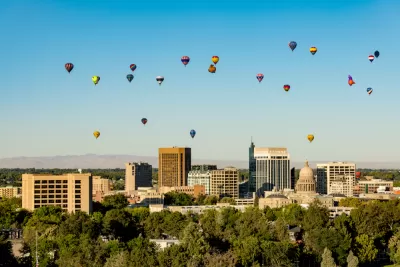
An analysis from GoodMigrations reveals which U.S. cities have changed the most in the last five years. The criteria include “population, income, jobs, home values, and new jobs created from new businesses over the past five years.”
The top five most changed cities are Boise City, Idaho; Provo, Utah; Lakeland, Florida; Austin, Texas; and Huntsville, Alabama. According to the article, “All the most-changed cities saw change in the form of rapid growth: increasing economic activity, elevating salaries, and gaining newcomers.” Austin had the highest population increase among cities with the strongest GDP, and added 25 percent more employed persons.
Eight of the top 10 cities were in the U.S. South. Four of the 10 least changed cities, meanwhile, are in Louisiana. “This seeming contradiction suggests that growth and prosperity in the South are not equally distributed, with some metros reaping the lion’s share of jobs, newcomers, and overall prosperity, leaving other cities in the region to stagnate at disproportionately high rates.”
FULL STORY: America’s Most Changed Cities: The Cities That Changed the Most in 5 Years

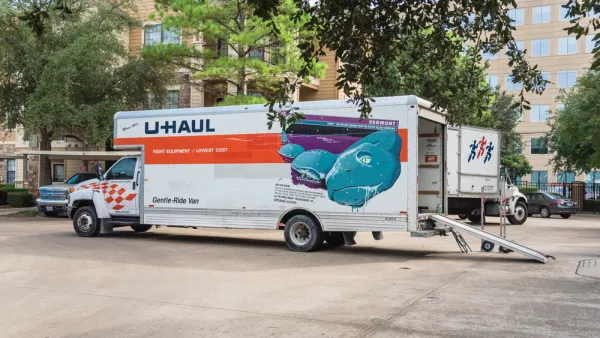
Texas, Florida Saw Most Growth in 2021, Says U-Haul
Based on an index comparing inbound and outbound moving truck rentals, Texas had the largest population growth in the United States in 2021, while California and Illinois saw the biggest losses.
US Population Growth Slowest Since 2020 Due to Declining Immigration
Net international migration dropped from 2.7 million to 1.3 million in the year spanning July 2024 to July 2025.
Adult Immigration to the US Dropped by Over 1.4M in 2025
Mass deportations and stricter immigration restrictions are causing a drop in new immigrants.

Planetizen Federal Action Tracker
A weekly monitor of how Trump’s orders and actions are impacting planners and planning in America.

The state-sanctioned urbicide of Austin
People don’t kill cities. Freeways do.

US to reduce Colorado River water deliveries to Mexico
A new Colorado Treaty amendment reduces Mexico’s Colorado River water allocation by 250,000 acre feet.

5 New England states march closer to 800 megawatt wind energy project
Securing federal approval for the project may be complicated under the Trump administration, which has historically been hostile towards domestic wind power.

Baltimore to break ground on $50 million Transit Priority Project
The project will bring faster bus trips, safer streets and better bike connections to Baltimore.

Airbnb launches $250 million 'last-dollar financing' housing accelerator, makes first investment in Austin
The company will put $6.4 million towards affordable housing development in Texas’ capital.

FREE Course: Walkable City 1: Why Walkability?
After describing his path towards focusing on walkability as the essence of good planning, Jeff Speck marches through his five principal reasons for making more walkable places.
Reinventing Malls: Planning Alchemy—Turning Gray Fields Into Gold
The course focuses on the opportunities and imperatives that shape reinvention of mall sites.

Eagle County Government
Harvard University Graduate School of Design
Nashville Planning Department
The Architects Foundation
University of Cincinnati Online
The Pocatello Development Authority
The Urban Renewal Agency of the City of Pocatello
Journal of the American Planning Association