An analysis of areas designated as "low traffic neighborhoods" shows a decrease in vehicle ownership rates, a promising sign for the traffic-choked metropolis.


Inspired by the Netherlands' famously bike-friendly urban infrastructure, London's Mini-Hollands program funded Dutch-style improvements in three outer London boroughs. With London consistently ranking in the top ten most congested cities in the world, city leaders hope to emulate their continental neighbors and reduce the need for private cars in and around the city.
The program introduces traffic calming interventions, sometimes removing vehicle traffic from neighborhoods altogether. It also promotes improved bicycle and pedestrian infrastructure that encourages active transportation and keeps residents safe. The goal of the initiative is to encourage a shift from cars to bikes for short trips and reduce vehicle travel within neighborhoods.
A recent analysis of vehicle registration data examined whether the interventions had a measurable effect on vehicle ownership in London's outer boroughs. The findings show that car ownership fell at much higher rates in the areas designated as "low traffic neighborhoods" or LTNs, with vehicle ownership continuing to decline as the program went on. Other active transportation improvements had a smaller effect on vehicle ownership, but areas that received them still reduced their car ownership at higher-than-average rates. The study's conclusions indicate that LTN interventions contribute significantly to a mode shift away from private cars.

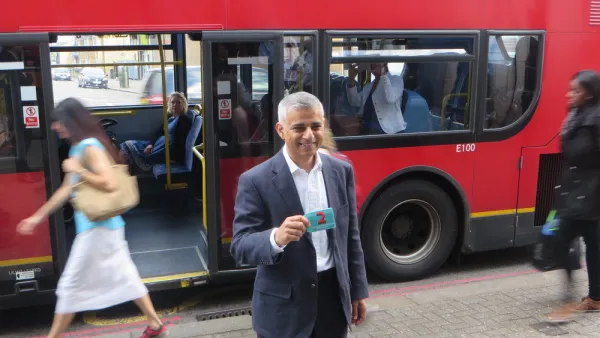
London Doubles Down on Vehicle Restrictions
A plan to completely overhaul the streets of London will require a "monumental" effort by all residents of the city, according to the mayor of London.
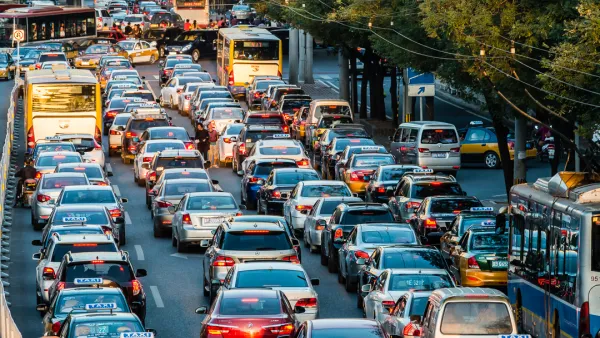
Cities Have Tried to Rein in Cars, and the Results Have Been Mixed
Vehicle pollution is making cities around the world unlivable. Some cities have taken steps to curb auto use and emissions, with varying levels of success.
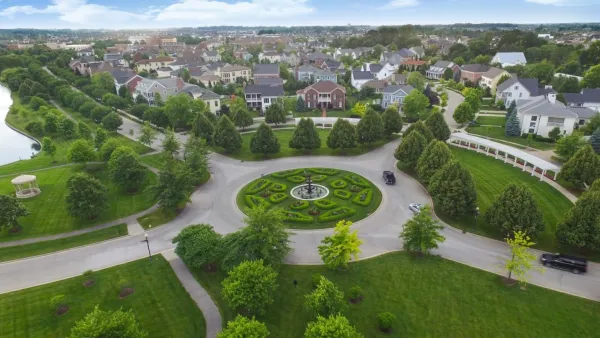
America's 'roundabout city' is in … Indiana?
Carmel, Indiana has built over 150 roundabouts as part of a broader mobility and development strategy.

Planetizen Federal Action Tracker
A weekly monitor of how Trump’s orders and actions are impacting planners and planning in America.

The state-sanctioned urbicide of Austin
People don’t kill cities. Freeways do.

US to reduce Colorado River water deliveries to Mexico
A new Colorado Treaty amendment reduces Mexico’s Colorado River water allocation by 250,000 acre feet.

5 New England states march closer to 800 megawatt wind energy project
Securing federal approval for the project may be complicated under the Trump administration, which has historically been hostile towards domestic wind power.

Baltimore to break ground on $50 million Transit Priority Project
The project will bring faster bus trips, safer streets and better bike connections to Baltimore.

Airbnb launches $250 million 'last-dollar financing' housing accelerator, makes first investment in Austin
The company will put $6.4 million towards affordable housing development in Texas’ capital.

FREE Course: Walkable City 1: Why Walkability?
After describing his path towards focusing on walkability as the essence of good planning, Jeff Speck marches through his five principal reasons for making more walkable places.
Reinventing Malls: Planning Alchemy—Turning Gray Fields Into Gold
The course focuses on the opportunities and imperatives that shape reinvention of mall sites.


Eagle County Government
Harvard University Graduate School of Design
Nashville Planning Department
The Architects Foundation
University of Cincinnati Online
The Pocatello Development Authority
The Urban Renewal Agency of the City of Pocatello
Journal of the American Planning Association