Drivers are looking at their phones instead of the road in higher shares than ever during the pandemic, according to a recent report.


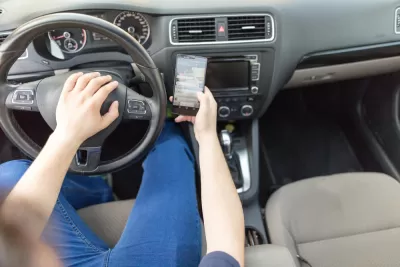
Driving analytics company Zendrive has released a new collision report that quantifies the effects of distracted driving on traffic safety, showing a large proportion of drivers looking at their phones instead of the road—a trend that has only worsened since the outset of the pandemic.
Lynn Walford shares insights from the new report, noting the headline finding near the top: distracted driving now contributes to 57 percent of all traffic collisions.
Tge latest data shows increasingly reckless driver behavior. "Compared to January of this year, phone use frequency is 17% higher in November 2020, while rapid accelerations are up 36%," writes Walford. These kinds of driving prctices have tragic results. "According to AAA, phone distraction alone can increase the risk of collision by up to 83%. With pedestrian fatalities at their highest levels in decades, these new findings highlight a significant danger to public health."
The data from the Zendive report backs up previous reports about increasing traffic fatalities on U.S. roads during the pandemic. The Zendive report also includes a number of useful infographics to help illustrate the scale of the public health risk posed by distracted driving.
FULL STORY: Phone Distraction & Dangerous Distractions Worst Since Pandemic

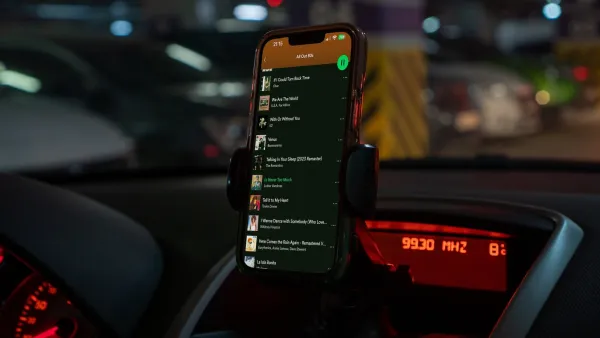
Traffic deaths rise by 15% on major album release days
Enjoy those new tracks, but don't forget to keep your eyes on the road.
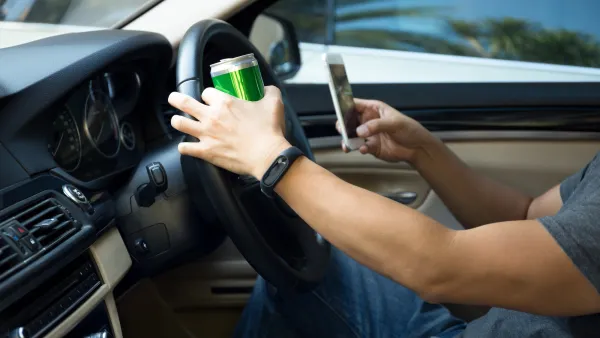
StreetVision tool pinpoints likely crash sites using mobile phone data
The tool can help cities quickly identify high-risk intersections and corridors and make an evidence-based case for safety interventions.
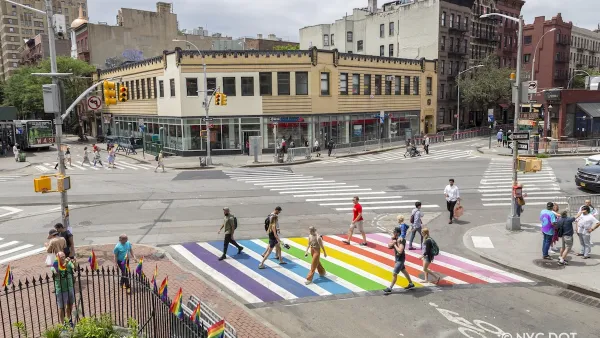
USDOT Launches Unfunded 'SAFE ROADS' Program
The program targets “distractions” and “political messages or artwork,” and paves the way for autonomous vehicles.

The state-sanctioned urbicide of Austin
People don’t kill cities. Freeways do.

US to reduce Colorado River water deliveries to Mexico
A new Colorado Treaty amendment reduces Mexico’s Colorado River water allocation by 250,000 acre feet.

New Jersey’s second-largest city bans standalone data centers
Jersey City will continue to allow co-location facilities, such as those meant for research institutions that store their own data.

Amtrak not solely to blame for New Jersey commuter rail's unreliability, report finds
A new study from the Garden State Initiative found that NJ Transit’s budget grew 20% across a 4 year period, but reliability declined significantly over the same period.

EPA erases limits on planet-warming pollution from power plants
Under Monday’s plan, power plants would still have some limits on how much mercury, arsenic and other contaminants they can emit.

Phoenix announces new on-demand transit service, more frequent RAPID buses
Both new services will launch in October, and are part of Phoenix's Project Effective Access Solutions for Easing Congestion.

FREE Course: Walkable City 1: Why Walkability?
After describing his path towards focusing on walkability as the essence of good planning, Jeff Speck marches through his five principal reasons for making more walkable places.
Reinventing Malls: Planning Alchemy—Turning Gray Fields Into Gold
The course focuses on the opportunities and imperatives that shape reinvention of mall sites.

Eagle County Government
Harvard University Graduate School of Design
Nashville Planning Department
The Architects Foundation
University of Cincinnati Online
The Pocatello Development Authority
The Urban Renewal Agency of the City of Pocatello
Journal of the American Planning Association