Between DART service optimization and deciding the fate of I-345, Dallas has big of decisions to make. The right consultant, who understands accurate framing of planning issues, could help choose a route that best serves Dallasites.


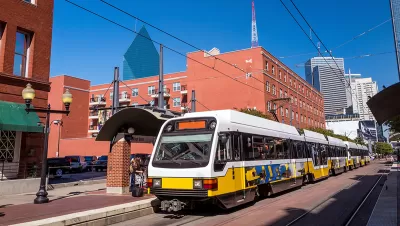
Dallas Area Rapid Transit (DART), with the help of an urban planning consultant, surveyed Dallas residents to answer a seemingly simple question: Would you prefer more service over a larger area or better service in a smaller service area? According to Peter Simek, this simple question had been posed to residents in a misleading way for years, leading to DART policies and systems that failed to serve the best interest of Dallasites.
"The question just had to be asked in a way that made it clear that they were choosing between quality over quantity," says Simek. Once the phrasing was corrected by an effective and experienced planning consultant, DART learned that a staggering 76% of residents preferred a system that increased, optimized service frequency of fewer routes.
"The simple rephrasing of the choices facing Dallas residents shows how the right consultants — the ones who understand the scope and stakes of complicated urban planning problems — can propel a public process toward new and more beneficial solutions," writes Simek.
This issue, a lack of consultancy in Dallas' planning process isn't limited to DART service, Simek argues, describing transportation advocates' well documented struggle to remove highway I-345 and replace the thoroughfare with an at-grade boulevard.
Simek asks: "As with DART’s bus redo, it all comes down to how the engineers, consultants, and bureaucrats working on the project frame the question. Is Dallas trying to solve for moving traffic through the city center or is it trying to revitalize the urban core?"
The answer, Simek says, depends on Dallas' willingness to "hire a traffic consultant who has a proven track record with dealing with urban transportation planning with the nuance and subtlety it deserves."
Read the full story: How Urban Planning Consultants Can Shape the Future of Dallas
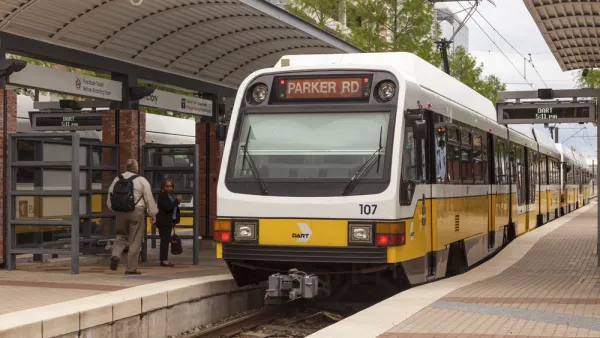
Dallas Council Begrudgingly Keeps Downtown Streetcar Alive
Council members complain that the Oak Cliff Streetcar is a "vanity project" that drains money from other potential transit improvements.
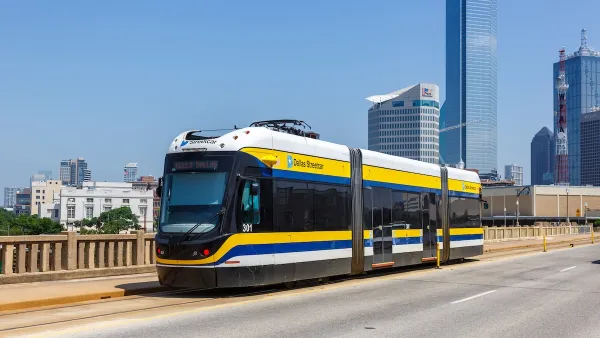
Dallas, Suburbs Clash Over DART Funding
The city voted to ‘fully fund’ its rapid transit system, but northern suburbs are moving to reduce funding.
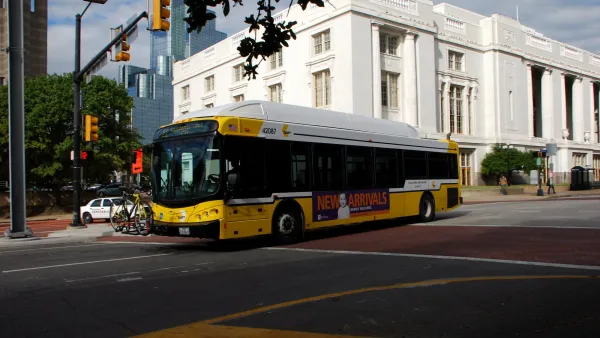
Dallas Bus System Overhaul Rolling Out in January. Will it Succeed?
The Dallas City Council recently approved a long-awaited and much-delayed bus system redesign for DART. Riders should require fewer transfers and shorter wait times starting in January 2022.

Planetizen Federal Action Tracker
A weekly monitor of how Trump’s orders and actions are impacting planners and planning in America.

Eastern Nebraska is running out of electricity
Data centers and electrification are straining eastern Nebraska’s grid, throttling economic development.

Move over, LA: St. Louis gears up for Olympics, invests millions in downtown redevelopment
The Missouri city will host the 2028 Olympic soccer group stage and knockout matches.

Dallas releases zoning code overhaul to officials
The drafted overhaul is over 400 pages long.

NYC renovations for dangerous, ‘mercilessly crammed’ street delayed until 2027
Construction was supposed to begin this fall.

San Diego’s Midway Rising project gets greenlight from city council
The project looks to become the largest affordable housing development in California's history.

FREE Course: Walkable City 1: Why Walkability?
After describing his path towards focusing on walkability as the essence of good planning, Jeff Speck marches through his five principal reasons for making more walkable places.
Reinventing Malls: Planning Alchemy—Turning Gray Fields Into Gold
The course focuses on the opportunities and imperatives that shape reinvention of mall sites.

City of Rosemead
Rutgers University, Edward J. Bloustein School of Planning and Public Policy
One Hundred Miles
University of Michigan School for Environment and Sustainability (SEAS)
Hunter College, City University of New York (CUNY)
The Architects Foundation
City of Cambridge
The Pocatello Development Authority
The Urban Renewal Agency of the City of Pocatello