"Lessons in New Ruralism" shares 20 case studies of prosperous rural communities from across the United States.


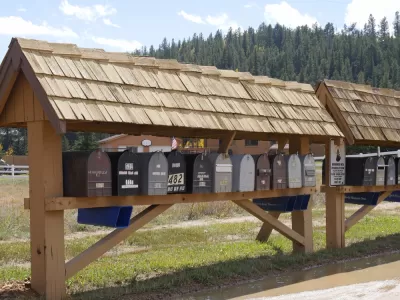
The New Ruralism Initiative is pleased to share stories of rural leadership, place-making, entrepreneurship, energy-generation, art-creation, and volunteerism that sustain the heart and soul of rural places. In its newly released report, Lessons in New Ruralism, The New Ruralism Initiative celebrates the rural renaissance in the making with twenty case studies of successful local initiatives in a wide variety of areas such as local foods, housing, energy, new approaches to cooperatives, community services and more.
New Ruralism articulates that rural communities, to prosper, need a synchronized sustainability focus in three areas: economic, environmental, and social. To thrive, rural planning, policy, and grassroots efforts must embrace new methods of economic sustainability, like cooperatives and the creative economy. They must uphold environmental sustainability, both protecting the land while stewarding working landscapes. And, they must invest in social sustainability, fostering community, strengthening their safety net, and nurturing active democracy. The weaving of these ideas together contributes to strong rural communities.
The Lessons in New Ruralism report represents communities from Washington to Maine. Takeaways that emerged from the case studies include:
- People-focused plans, policies, and projects have an outsized impact on small communities.
- With the right ingenuity, small towns can build high-quality livable-wage jobs that anchor residents and contribute to a growth in the local economy.
- To keep momentum going for long-term projects, organizations and groups must celebrate all the incremental wins along the way.
- Frequent, timely, clear, and direct communication is vital to the success of projects.
- Big changes in small communities often lead to a positive ripple effect.
Read the report for detailed case studies and additional insights.
Read the full story: The New Ruralism Initiative - Sharing Stories Of New Ruralism

Toward Better 'Rural Places and Planning'
The authors of the new book "Rural Places and Planning" expand beyond stereotypes of the rural to describe a more supportive approach to rural planning.
Bringing Rurality Back to Planning Culture
Michael Hibbard at the University of Oregon and Kathryn I. Frank at the University of Florida write about their recently published article in the Journal of Planning Education and Research.

3 Myths About Rural America and How to Debunk Them
The effort to debunk common myths about rural America in academia and the news media continues.

Planetizen Federal Action Tracker
A weekly monitor of how Trump’s orders and actions are impacting planners and planning in America.

California plans to bury El Niño’s downpour
If the state plays its cards right, it may be able to store a billion acre-feet of El Niño’s water in aquifers.

Desperate measures: Advocates weigh draining Lake Powell to fill Colorado River
Draining the reservoir could reduce evaporation losses by a couple hundred thousand acre-feet.

Chicago Avenue bridge construction delays enrages city leaders
The bridge has been closed since 2025. The city originally aimed to re-open it in December, and now expects to finish construction in 2027.

NYC bus network redesign speeds up Queens buses
Rush routes have seen a 4.6% speed increase after the redesign.

California High-Speed Rail Authority picks trainset manufacturer
The California High-Speed Rail Authority aims to start servicing passengers by 2033.

FREE Course: Walkable City 1: Why Walkability?
After describing his path towards focusing on walkability as the essence of good planning, Jeff Speck marches through his five principal reasons for making more walkable places.
Reinventing Malls: Planning Alchemy—Turning Gray Fields Into Gold
The course focuses on the opportunities and imperatives that shape reinvention of mall sites.

City of Rosemead
Rutgers University, Edward J. Bloustein School of Planning and Public Policy
One Hundred Miles
Hunter College, City University of New York (CUNY)
The Architects Foundation
University of Cincinnati Online
City of Cambridge
Montrose County
The Pocatello Development Authority