The effort to debunk common myths about rural America in academia and the news media continues.



An article by Anne Junod, Clare Salerno, and Corianne Payton Scally notes that the "drive-by" journalism of recent years—reporters from major national or urban publications "flocking" to rural areas to find out what happened in the 2016 election—is creating persistent but false depictions of life in rural America.
The problem of drive-by journalism is exacerbated by the closing of newsroom in many small metropolitan areas and rural areas, meaning that local perspectives are suddenly less available.
Junod, Salerno, and Payton Scally focus on three myths in particular in an effort to debunk some of these harmful mischaraterizations:
- Rural America is the white, agricultural "heartland."
- Poor, rural people live in "cultures of poverty."
- "Rural" is a singular voting bloc.
After providing evidence to counter each of those claims, the article also provides recommendations for strengthening research and reporting in rural settings.
- Understand that rural issues are urban issues are suburban issues.
- Develop and invest in rural cultural competencies.
- Report on rural opportunities and assets in addition to challenges.
FULL STORY: Debunking Three Myths about Rural America

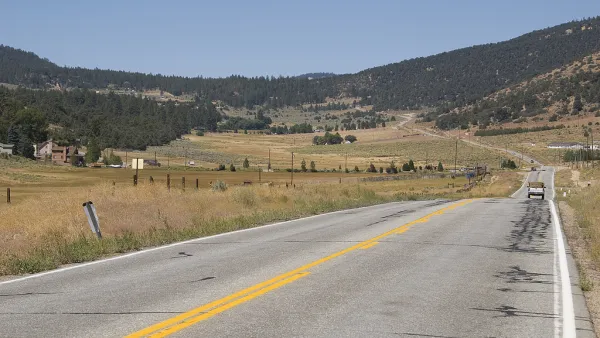
Bringing Rurality Back to Planning Culture
Michael Hibbard at the University of Oregon and Kathryn I. Frank at the University of Florida write about their recently published article in the Journal of Planning Education and Research.
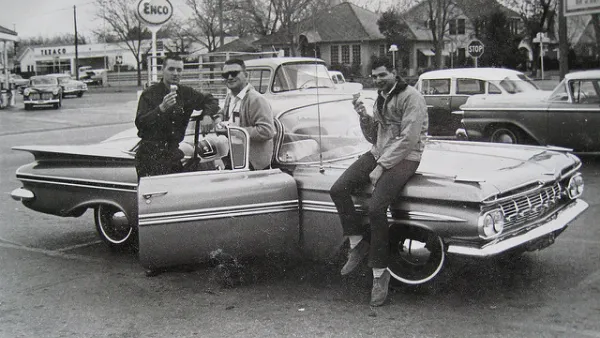
Mourning the Loss of the Dairy Queen in Rural Texas
As populations shrink, small towns are losing an important place to get together,,
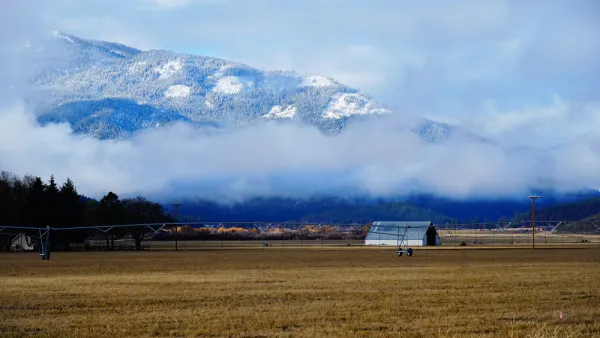
Toward Better 'Rural Places and Planning'
The authors of the new book "Rural Places and Planning" expand beyond stereotypes of the rural to describe a more supportive approach to rural planning.

Planetizen Federal Action Tracker
A weekly monitor of how Trump’s orders and actions are impacting planners and planning in America.

The state-sanctioned urbicide of Austin
People don’t kill cities. Freeways do.

US to reduce Colorado River water deliveries to Mexico
A new Colorado Treaty amendment reduces Mexico’s Colorado River water allocation by 250,000 acre feet.

5 New England states march closer to 800 megawatt wind energy project
Securing federal approval for the project may be complicated under the Trump administration, which has historically been hostile towards domestic wind power.

Baltimore to break ground on $50 million Transit Priority Project
The project will bring faster bus trips, safer streets and better bike connections to Baltimore.

Airbnb launches $250 million 'last-dollar financing' housing accelerator, makes first investment in Austin
The company will put $6.4 million towards affordable housing development in Texas’ capital.

FREE Course: Walkable City 1: Why Walkability?
After describing his path towards focusing on walkability as the essence of good planning, Jeff Speck marches through his five principal reasons for making more walkable places.
Reinventing Malls: Planning Alchemy—Turning Gray Fields Into Gold
The course focuses on the opportunities and imperatives that shape reinvention of mall sites.

Eagle County Government
Harvard University Graduate School of Design
Nashville Planning Department
The Architects Foundation
University of Cincinnati Online
The Pocatello Development Authority
The Urban Renewal Agency of the City of Pocatello
Journal of the American Planning Association