With COVID-19, the Los Angeles County Department of Parks and Recreation modified its popular Parks After Dark program so that it could still meet community needs, while complying with public health orders.


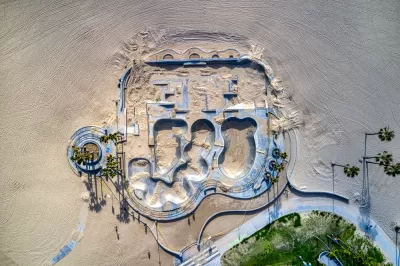
Parks After Dark (PAD) is a highly popular, award-winning program offered by the Los Angeles County Department of Parks and Recreation (DPR). PAD started in 2010 at three county parks and expanded to 33 parks in 2019. For an eight-week period each summer, PAD extends hours of park operation from 6:00 to 10:00 pm at participating parks. The program offers family entertainment (like movies, concerts, arts and crafts, and free meals), sports and recreational activities (like swimming and dance), cultural and educational programming (like healthy cooking and financial literacy classes), and employment and volunteer opportunities for youth and adults. PAD parks also host resource fairs through which public agencies and community-based organizations provide health, social, economic, and legal resources to participants.
Unfortunately, due to COVID-19 and associated public health orders, DPR could not offer PAD this summer. However, this did not stop the agency from pivoting and being creative in its efforts to meet community needs for exercise and recreation. DPR quickly developed the PAD in Motion program through which it closes off park-adjacent streets for residents to safely walk and ride. Specifically, this initiative provides community members—especially families with children—opportunities to walk and ride their bikes, scooters and skateboards along a designated route around and within their local park. PAD in Motion is offered at ten parks in various unincorporated communities in Los Angeles County every Thursday evening from 5:00 p.m. to 8:00 p.m. and Saturday mornings from 8:00 a.m. to 11:00 a.m. through early to mid-October (depending on the park location).
As park planner Clement Lau explains in the article, PAD in Motion achieves many of the goals of the original program, such as increasing physical activity, decreasing chronic disease risk, and increasing social cohesion and family bonding. Also, as an open street program, PAD in Motion offers various benefits, including encouraging residents to be physically active by providing additional space for walking and bicycling, and improving actual and perceived public safety by having more eyes on the street and eliminating vehicular traffic while the program is running. The local parks and streets included in PAD in Motion were selected thoughtfully and strategically, prioritizing unincorporated communities with a very high or high level of park need per the 2016 Countywide Parks Needs Assessment, and taking into consideration factors such as roadway classification and location in relation to park entrances and the need for a variety of sites to serve residents across L.A. County.
FULL STORY: Parks After Dark in Motion: Meeting Community Needs in the Midst of a Pandemic


Making Park Plans a Reality
Los Angeles County implements equity-focused community parks and recreation plans.
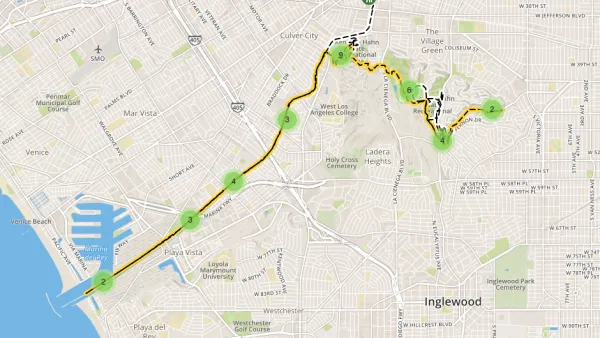
13-Mile Park to Playa Trail Seizes the Moment in South Los Angeles
A new 13-mile regional trail opens in South Los Angeles, connecting various parks to the Pacific Ocean and providing additional opportunities for residents to enjoy outdoor recreation during a pandemic.
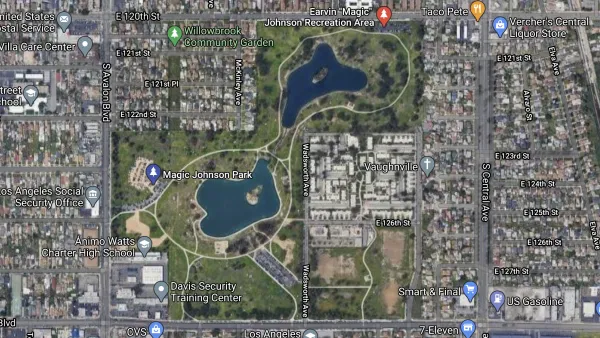
Transformation of South Los Angeles Park Offers Hope to the Community
Earvin "Magic" Johnson Park in Willowbrook has been transformed with $70 million worth of improvements, including a 20,000-square foot event center for community gatherings and events.

Planetizen Federal Action Tracker
A weekly monitor of how Trump’s orders and actions are impacting planners and planning in America.

The state-sanctioned urbicide of Austin
People don’t kill cities. Freeways do.

US to reduce Colorado River water deliveries to Mexico
A new Colorado Treaty amendment reduces Mexico’s Colorado River water allocation by 250,000 acre feet.

5 New England states march closer to 800 megawatt wind energy project
Securing federal approval for the project may be complicated under the Trump administration, which has historically been hostile towards domestic wind power.

Baltimore to break ground on $50 million Transit Priority Project
The project will bring faster bus trips, safer streets and better bike connections to Baltimore.

Airbnb launches $250 million 'last-dollar financing' housing accelerator, makes first investment in Austin
The company will put $6.4 million towards affordable housing development in Texas’ capital.

FREE Course: Walkable City 1: Why Walkability?
After describing his path towards focusing on walkability as the essence of good planning, Jeff Speck marches through his five principal reasons for making more walkable places.
Reinventing Malls: Planning Alchemy—Turning Gray Fields Into Gold
The course focuses on the opportunities and imperatives that shape reinvention of mall sites.

Eagle County Government
Harvard University Graduate School of Design
Nashville Planning Department
The Architects Foundation
University of Cincinnati Online
The Pocatello Development Authority
The Urban Renewal Agency of the City of Pocatello
Journal of the American Planning Association