L.A. City Chief Resilience Officer Aaron Gross elaborates on how the pandemic is shaping the city’s understanding of resilience and the cascading impact that overlapping disasters of earthquake or wildfire could have on the city’s limited resources.


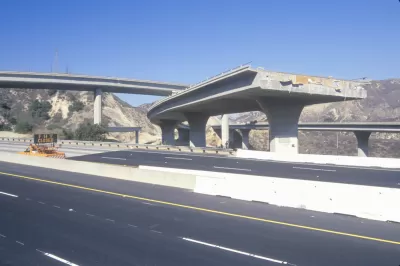
A recent report found that last year’s Ridgecrest Earthquake tripled the odds of a major earthquake on the San Andreas within the next year. In light of this news, TPR spoke with LA City Chief Resilience Officer Aaron Gross to discuss how the pandemic is shaping the city’s understanding of resilience and the cascading impact that overlapping disasters of earthquake or wildfire could have on the city’s already limited resources.
Gross shares the city’s progress on implementing the 2018 “Resilient Los Angeles” plan—which lays out 15 goals and 96 actions to make Los Angeles more resilient to a wide range of systemic shocks and stressors—and how COVID-19 has highlighted the acute vulnerabilities faced by communities across Los Angeles:
"I don't think COVID has changed the definition of it, but the idea of building back stronger has been highlighted by COVID and looking at how and when we're able to reopen has become a huge part of that"
For the full interview, visit The Planning Report.
FULL STORY: LA's Chief Resilience Officer on Pandemic's 'Reveal' of City's Vulnerabilities

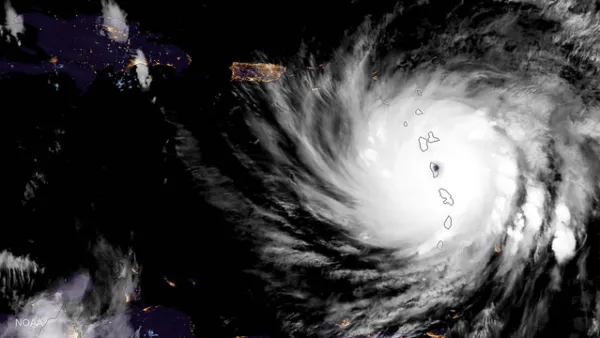
Coronavirus a Major New Complication for Extreme Weather Events
Climate change might not allow the relief from the pandemic that many have been hoping for as the country enters the summer months, as evacuations during the hurricane, tornado, and fire seasons will take on new elements of risk.
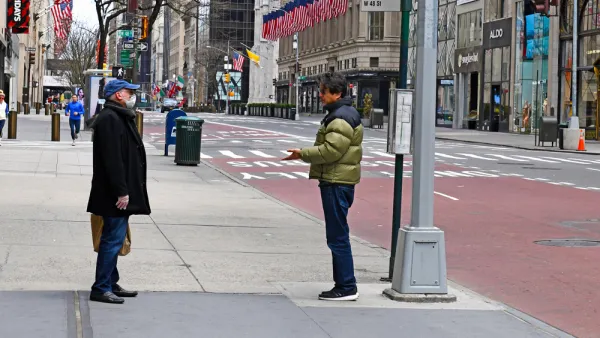
Lessons from Pandemics: Comparing Urban and Rural Risks
Many people assume that infectious disease risks make cities dangerous, but this is generally untrue. Other factors have more effect on pandemic risk and mortality rates, making cities safer and healthier than rural areas overall.
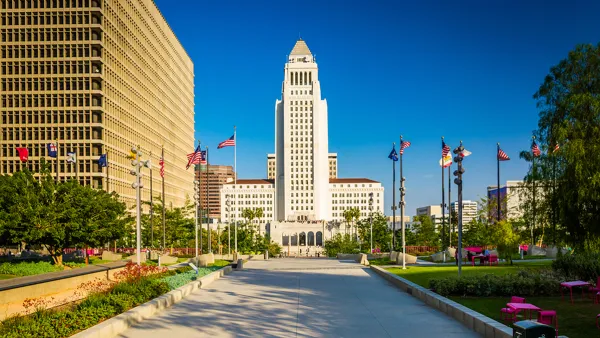
L.A. Department of City Planning Goes Remote
Los Angeles Department of City Planning Director Vince Bertoni shares the status of the planning department and the daily challenges of providing public-facing service and community meetings under social distancing orders.

The state-sanctioned urbicide of Austin
People don’t kill cities. Freeways do.

US to reduce Colorado River water deliveries to Mexico
A new Colorado Treaty amendment reduces Mexico’s Colorado River water allocation by 250,000 acre feet.

New Jersey’s second-largest city bans standalone data centers
Jersey City will continue to allow co-location facilities, such as those meant for research institutions that store their own data.

Amtrak not solely to blame for New Jersey commuter rail's unreliability, report finds
A new study from the Garden State Initiative found that NJ Transit’s budget grew 20% across a 4 year period, but reliability declined significantly over the same period.

EPA erases limits on planet-warming pollution from power plants
Under Monday’s plan, power plants would still have some limits on how much mercury, arsenic and other contaminants they can emit.

Phoenix announces new on-demand transit service, more frequent RAPID buses
Both new services will launch in October, and are part of Phoenix's Project Effective Access Solutions for Easing Congestion.

FREE Course: Walkable City 1: Why Walkability?
After describing his path towards focusing on walkability as the essence of good planning, Jeff Speck marches through his five principal reasons for making more walkable places.
Reinventing Malls: Planning Alchemy—Turning Gray Fields Into Gold
The course focuses on the opportunities and imperatives that shape reinvention of mall sites.

Eagle County Government
Harvard University Graduate School of Design
Nashville Planning Department
The Architects Foundation
University of Cincinnati Online
The Pocatello Development Authority
The Urban Renewal Agency of the City of Pocatello
Journal of the American Planning Association