Rural traffic has recovered from COVID-19 lows earlier in the year and has even surpassed historic averages, according to the case study supplied by the state of Nebraska.


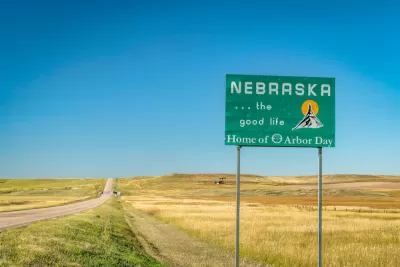
"The Nebraska Department of Transportation announced that traffic volumes have returned to normal in all six categories that are being tracked to gauge the impact
COVID-19 on statewide traffic volumes," reports Karla James.
The six categories of traffic include Rural Highways; Interstate 80 west of Lincoln; Omaha Streets and Highways; Lincoln Streets and Highways, I-80 Lincoln to Iowa, I-180, I-680, I-480; and Remaining Small Urban Streets & Highways. All of these categories have shown lower traffic than averages from 2016 to 2018 for a record 11 consecutive weeks until the first full week of August.
Nebraska's full COVID-19 Traffic Count Dashboard is still available online as traffic capacity returns to pre-COVID-19 levels in the state.
Of particular interest from the data for August 2-8: rural highway traffic is up five percent from the 2018 to 2018 average.
Read the full story: Traffic on State Highways Returns to Expected Levels

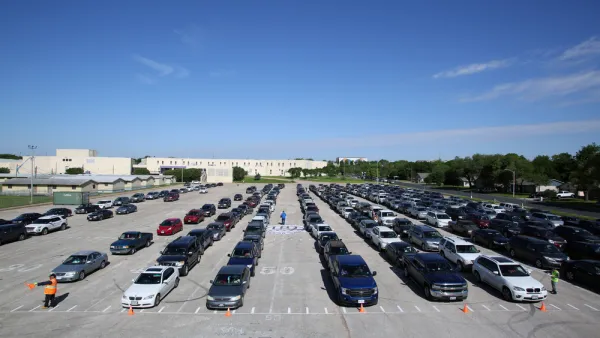
Automobile Dependency: An Unequal Burden
Automobile-dependent planning has changed automobiles from a luxury into a necessity. Excessive vehicle costs leave many households without money to purchase essential food, shelter and healthcare. They need more affordable transportation options.
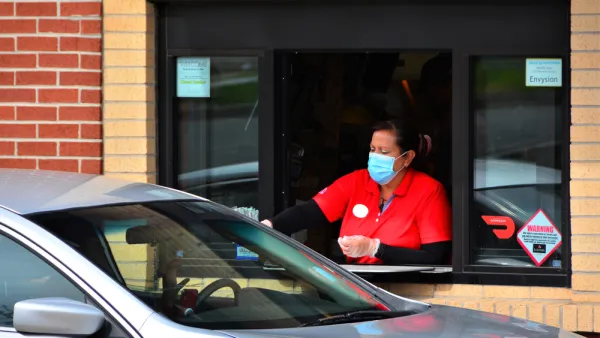
Cities Double Down on Car-Centric Services During the Pandemic
The pandemic has created even more obstacles to participation in society for those without a car.
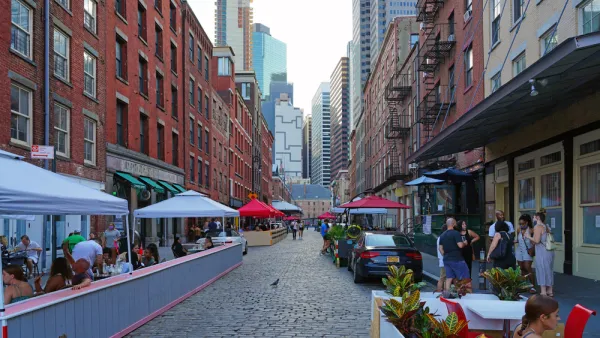
New York Outdoor Dining, Open Streets Programs Now Permanent
New York City will now be measurably less car-centric for the indefinite future.

Planetizen Federal Action Tracker
A weekly monitor of how Trump’s orders and actions are impacting planners and planning in America.

Amtrak, CN end decades-long dispute with eight-year agreement
The new operating agreement establishes an updated framework for the companies to work together, including processes to resolve disputes.

Judges permit Denver to divert 77,000 acre feet from the Colorado River for reservoir expansion
Overuse and climate change have caused the Colorado River’s water levels to plummet.

Northwest rail fans eager for Sept. 30 debut of Amtrak’s Airo fleet
Get ready for that new train smell and more seats. But they won’t go faster or run more frequently on the Cascades route in Washington and Oregon.

NYC DOT wants faster, more permanent street upgrades
The city is examining ways to build more concrete infrastructure without getting entangled in 'decades-long' projects.

'Something we’ve never seen before:' rising utility rates could strain city finances nationwide
Data centers, climate change and other factors have caused utility rates in the United States to increase by 38% since 2020.

FREE Course: Walkable City 1: Why Walkability?
After describing his path towards focusing on walkability as the essence of good planning, Jeff Speck marches through his five principal reasons for making more walkable places.
Reinventing Malls: Planning Alchemy—Turning Gray Fields Into Gold
The course focuses on the opportunities and imperatives that shape reinvention of mall sites.

Harvard University Graduate School of Design
KFH Group Inc.
Greater Baltimore Committee
The Architects Foundation
University of Cincinnati Online
The Pocatello Development Authority
The Urban Renewal Agency of the City of Pocatello