Increased stress, increased speeds, more drinking and driving—whatever the reason, traffic fatalities are climbing rapidly even as more Americans leave the car parked at home.


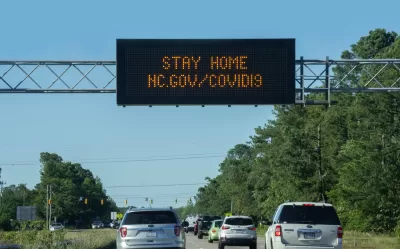
In the past, more driving led to more fatalities and injuries on the road, as documented on Planetizen as recently as February 2020. During the pandemic, however, fewer cars on the road has led to more fatalities.
"New data from the National Safety Council (NSC) found the U.S. traffic fatality rate jumped 23.5% in May, compared to the year prior, despite the number of vehicle miles driven in that month dropping 25.5% amid pandemic-related stay-at-home orders," reports Kristin Musulin.
NSC President and CEO Lorraine Martin is quoted in the article describing the data as a "public health crisis of significant proportions."
"In response to these estimates, NSC developed a playbook of recommendations and guidance for employers to reference as residents and commuters return to the workplace," according to Musulin.
The continued increase of fatalities per miles driven reported this month by the NSC furthers a trend reported earlier in the pandemic.
FULL STORY: US traffic fatality rate surges amid 'open season' of reckless driving

Fatal Collisions Increase Per Vehicle Miles Traveled During Pandemic
Data from the National Safety Council show the first evidence that with fewer cars on the road during the pandemic, fatal collisions have actually been more common for every mile driven.
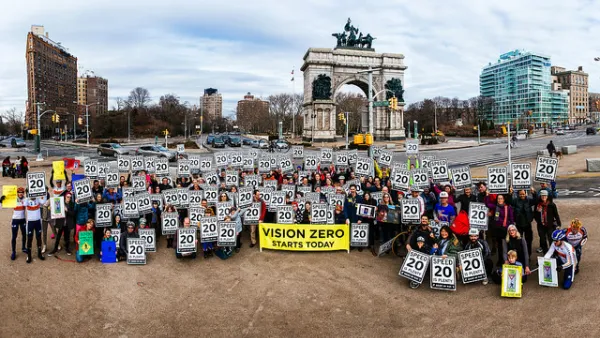
Traffic Fatalities Set Records as Pandemic-Era Road Carnage Shows No Signs of Stopping
An estimated 42,915 people died in automobile crashes in 2021, according to recent federal data. The increasing fatalities continue a trend that began with the outset of the pandemic.
Experts Fear a Permanent 'Arousal Breakout' on U.S. Roadways
The reckless and dangerous driving that has been a hallmark of the Covid-19 pandemic could become a more common, permanent feature of life in the United States.

Planetizen Federal Action Tracker
A weekly monitor of how Trump’s orders and actions are impacting planners and planning in America.

The state-sanctioned urbicide of Austin
People don’t kill cities. Freeways do.

US to reduce Colorado River water deliveries to Mexico
A new Colorado Treaty amendment reduces Mexico’s Colorado River water allocation by 250,000 acre feet.

Mamdani overhauls NYC's Vision Zero plan with 100 new policy goals
The overhaul aims to reduce traffic deaths and make streets safer for pedestrians, cyclists and drivers through lower speed limits, new safety infrastructure and more.

Amtrak not solely to blame for New Jersey commuter rail's unreliability, report finds
A new study from the Garden State Initiative found that NJ Transit’s budget grew 20% across a 4 year period, but reliability declined significantly over the same period.

EPA erases limits on planet-warming pollution from power plants
Under Monday’s plan, power plants would still have some limits on how much mercury, arsenic and other contaminants they can emit.

FREE Course: Walkable City 1: Why Walkability?
After describing his path towards focusing on walkability as the essence of good planning, Jeff Speck marches through his five principal reasons for making more walkable places.
Reinventing Malls: Planning Alchemy—Turning Gray Fields Into Gold
The course focuses on the opportunities and imperatives that shape reinvention of mall sites.

Eagle County Government
Harvard University Graduate School of Design
Nashville Planning Department
The Architects Foundation
University of Cincinnati Online
The Pocatello Development Authority
The Urban Renewal Agency of the City of Pocatello
Journal of the American Planning Association