No one lakes toll roads, but everyone relies on the revenue they generate for all kinds of transportation projects.


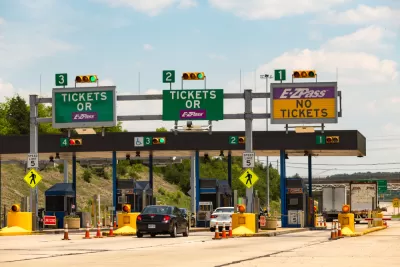
Luz Lazo reports:
Add another victim to the list of industries hit hard by the coronavirus pandemic: toll road operators.
The industry’s losses, which by estimates will exceed $9 billion nationwide, are prompting public and private toll operators to tap their reserves, delay capital projects and cut jobs.
The consequences of the downturn in the toll road business has consequences for other kinds of projects as well: revenue from toll roads is used to finance construction on other projects. While construction projects haven't seen an impact yet in the D.C. area, according to Lazo, operations are already taking a hit, and worse is yet to come.
The Maryland Transportation Authority said it is not funding vacant positions and is deferring the replacement and purchase of additional equipment such as computers. It has saved money by not funding vacant positions and not renewing 44 temporary toll collection contracts; the state moved to an all-electronic system during the pandemic.
And in Virginia, it's expected that construction will eventually face funding consequences:
In Virginia, lost revenue from the 66 Express Lanes means the corridor is unlikely to yield millions of dollars that would help pay for new bus routes and the construction of new Metro station entrances and bus lanes.
The article includes details about revenue on specific toll roads in the D.C. area as well as locations farther afield, like Pennsylvania, Georgia, and California, in addition to a lot more context and analysis on the effect of the novel coronavirus on toll road revenue.
FULL STORY: People are driving less and skipping the toll roads, leaving less money for local projects

Michigan to Study Feasibility of Toll Roads
The search for new road funding continues in Michigan.
How Structural Issues and Bureaucracy Impede Transit Projects
How outdated and inefficient city processes can hinder the progress of transportation projects and prevent the development of a comprehensive transportation strategy.
Electric Driving Is the Future; Now Is the Time to Price It
EVs are great, but they’re not perfect. Let’s end their free ride.

Planetizen Federal Action Tracker
A weekly monitor of how Trump’s orders and actions are impacting planners and planning in America.

The state-sanctioned urbicide of Austin
People don’t kill cities. Freeways do.

US to reduce Colorado River water deliveries to Mexico
A new Colorado Treaty amendment reduces Mexico’s Colorado River water allocation by 250,000 acre feet.

5 New England states march closer to 800 megawatt wind energy project
Securing federal approval for the project may be complicated under the Trump administration, which has historically been hostile towards domestic wind power.

Baltimore to break ground on $50 million Transit Priority Project
The project will bring faster bus trips, safer streets and better bike connections to Baltimore.

Airbnb launches $250 million 'last-dollar financing' housing accelerator, makes first investment in Austin
The company will put $6.4 million towards affordable housing development in Texas’ capital.

FREE Course: Walkable City 1: Why Walkability?
After describing his path towards focusing on walkability as the essence of good planning, Jeff Speck marches through his five principal reasons for making more walkable places.
Reinventing Malls: Planning Alchemy—Turning Gray Fields Into Gold
The course focuses on the opportunities and imperatives that shape reinvention of mall sites.

Eagle County Government
Harvard University Graduate School of Design
Nashville Planning Department
The Architects Foundation
University of Cincinnati Online
The Pocatello Development Authority
The Urban Renewal Agency of the City of Pocatello
Journal of the American Planning Association