The city of Denver has reported a spike in bike thefts in 2020, with a big increase in thefts occurring April and May.


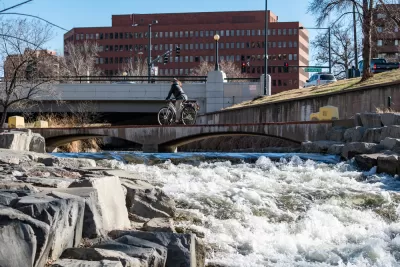
As the popularity of bikes has increased during the pandemic, so too has the demand for bikes, leading to a spike in bike thefts, according to the example of the city of Denver.
"During the first half of 2020, bike thefts in Denver are up more than 18% over last year, police data shows, as the city’s avid cycling community grows increasingly exasperated with what they say is a troubling trend," reports Sam Tabachnik.
The trend has accelerated during the height of the pandemic: "Since Jan. 1, there have been 1,621 bicycle thefts in Denver, up from 1,368 over the same period last year, according to data provided by the Denver Police Department. April and May were particularly rough for cyclists, with a combined 749 thefts — 162 more than 2019’s total during those months."
According to a spokesperson for the Denver Police Department quoted in the article, there is no clear reason for the uptick. The spokesperson also discourages bike riders from taking matters into their own hands, as some social media groups have begun to marshal the resources of the local bike community to track down and recover some stolen bikes.
FULL STORY: With bike thefts up 18% in Denver this year, cyclists work together to try to find their stolen rides

2020's Hot Transportation Trend: The Bike
A prominent consequence of the stay-at-home orders and social distancing of the Covid-19 pandemic in the United States has been a dramatic surge in the popularity of bike transportation.
Bikes Gain Popularity as People Ditch Subways and Buses
Bike counts and bike share rides are increasing in two of the country's largest cities as commuters look for transportation modes that allow for physical distancing.
Denver Micromobility on Track to Break Ridership Record
Denver’s shared bikes and scooters will provide as many as 6 million rides in 2024.

Planetizen Federal Action Tracker
A weekly monitor of how Trump’s orders and actions are impacting planners and planning in America.

The state-sanctioned urbicide of Austin
People don’t kill cities. Freeways do.

US to reduce Colorado River water deliveries to Mexico
A new Colorado Treaty amendment reduces Mexico’s Colorado River water allocation by 250,000 acre feet.

Mamdani overhauls NYC's Vision Zero plan with 100 new policy goals
The overhaul aims to reduce traffic deaths and make streets safer for pedestrians, cyclists and drivers through lower speed limits, new safety infrastructure and more.

Amtrak not solely to blame for New Jersey commuter rail's unreliability, report finds
A new study from the Garden State Initiative found that NJ Transit’s budget grew 20% across a 4 year period, but reliability declined significantly over the same period.

EPA erases limits on planet-warming pollution from power plants
Under Monday’s plan, power plants would still have some limits on how much mercury, arsenic and other contaminants they can emit.

FREE Course: Walkable City 1: Why Walkability?
After describing his path towards focusing on walkability as the essence of good planning, Jeff Speck marches through his five principal reasons for making more walkable places.
Reinventing Malls: Planning Alchemy—Turning Gray Fields Into Gold
The course focuses on the opportunities and imperatives that shape reinvention of mall sites.

Eagle County Government
Harvard University Graduate School of Design
Nashville Planning Department
The Architects Foundation
University of Cincinnati Online
The Pocatello Development Authority
The Urban Renewal Agency of the City of Pocatello
Journal of the American Planning Association