Despite what the CDC would like to think, some people have no options other than public transit for mobility. CityLab shares the advice of several experts on the reality of public health risk, and how to take precautions, on public transit.


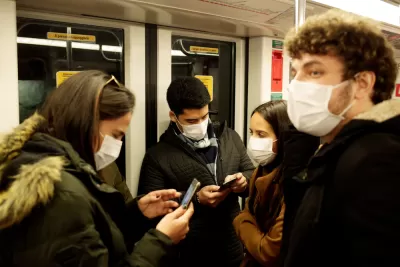
Feargus O'Sullivan spoke with several experts about the dangers of riding public transit during the pandemic, and the necessary precautions that can protect riders from coronavirus infection.
Experts interviewed for the story include Dr. Simon Clark, associate professor of microbiology at the University of Reading, Dr. Julian Tang, a professor in the Department of Respiratory Sciences at the University of Leicester, and Dr. Lena Ciric, a microbiologist at University College London. The experts discuss the risks of several modes of transportation, like planes, trains, and buses.
While acknowledging that the risks on public transit are no greater than occupying any enclosed space in proximity to many other people for an extended amount of time, and the precautions in either situation will be similar.
"So what can you do if you still have to ride? The advice here will sound familiar: Wear a mask, keep your distance and don’t touch your face."
The acknowledgement that many people might have to ride public transit for the tasks of their daily lives, while tacit here, seems to have been lost on the Centers for Disease Control and Prevention, which released a report at the end of May that recommended that all people avoid public transit until the novel coronavirus is defeated.
FULL STORY: How to Safely Travel on Mass Transit During Coronavirus

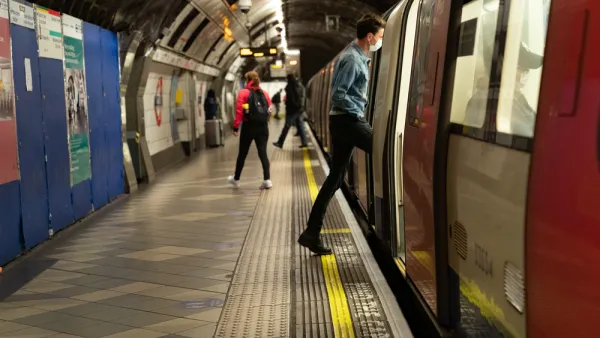
What Is the Future for Transit After COVID? - A Debate
Critic Randal O'Toole and advocate Todd Litman debate how communities should plan for public transit in the post pandemic future. Should it contract or expand?
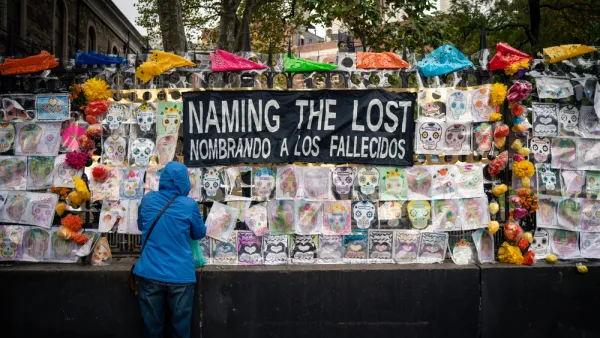
Nine Months Later: How the Pandemic Is Changing Communities
Planetizen shares the latest in a series of compendia tackling the effects of the pandemic, now and in the future, for cities and communities.
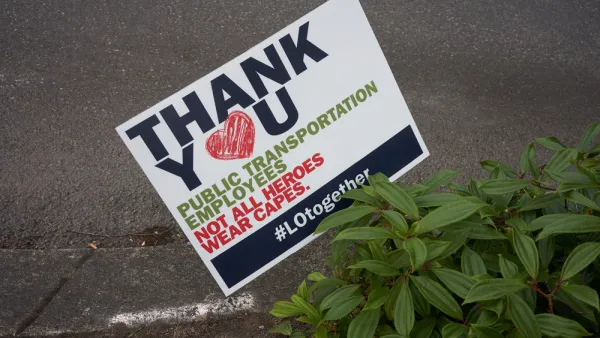
Pandemic Persists With Tragic Consequences for Transit Workers
Labor unions are raising alarms about the difficulties of keeping transit workers—the essential workers upon which so many essential workers rely—safe during the pandemic.

The state-sanctioned urbicide of Austin
People don’t kill cities. Freeways do.

US to reduce Colorado River water deliveries to Mexico
A new Colorado Treaty amendment reduces Mexico’s Colorado River water allocation by 250,000 acre feet.

New Jersey’s second-largest city bans standalone data centers
Jersey City will continue to allow co-location facilities, such as those meant for research institutions that store their own data.

Amtrak not solely to blame for New Jersey commuter rail's unreliability, report finds
A new study from the Garden State Initiative found that NJ Transit’s budget grew 20% across a 4 year period, but reliability declined significantly over the same period.

EPA erases limits on planet-warming pollution from power plants
Under Monday’s plan, power plants would still have some limits on how much mercury, arsenic and other contaminants they can emit.

Phoenix announces new on-demand transit service, more frequent RAPID buses
Both new services will launch in October, and are part of Phoenix's Project Effective Access Solutions for Easing Congestion.

FREE Course: Walkable City 1: Why Walkability?
After describing his path towards focusing on walkability as the essence of good planning, Jeff Speck marches through his five principal reasons for making more walkable places.
Reinventing Malls: Planning Alchemy—Turning Gray Fields Into Gold
The course focuses on the opportunities and imperatives that shape reinvention of mall sites.

Eagle County Government
Harvard University Graduate School of Design
Nashville Planning Department
The Architects Foundation
University of Cincinnati Online
The Pocatello Development Authority
The Urban Renewal Agency of the City of Pocatello
Journal of the American Planning Association