A new study conducted in Chelsea, Massachusetts is the first to quantify the effects of natural gas leaks on the health of urban trees.


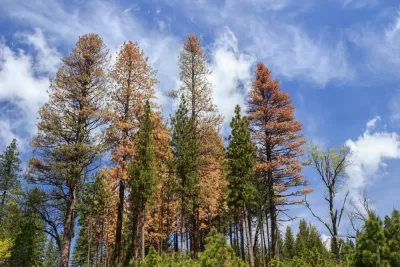
"A new study finds dying trees are 30 times more likely to have been exposed to methane-contaminated soil, confirming long-held suspicions that gas leaks kill plants," reports Phil McKenna, sharing the findings of a new study published last month in the journal Environmental Pollution. This study is the first to measure the effects of natural gas leaks on the health of trees in urban settings.
Researchers quantified the concentration of oxygen and methane in the soil surrounding 84 dead or dying trees as well as nearly 100 healthy trees in Chelsea, Massachusetts, a predominantly low-income Latino community. McKenna draws a connection between the high rate of COVID-19 in Chelsea and the research conducted by Harvard University researchers which found increased death COVID-19 death rates to be caused by small increases in long-term exposure to air pollution.
Chelsea, an urban heat island, has fewer trees and vegetation as well as consequentially hotter summer temperatures than surrounding communities. The study presented even further motivation to repair the leaking gas pipelines.
FULL STORY: Tree Deaths in Urban Settings Are Linked to Leaks from Natural Gas Pipelines Below Streets

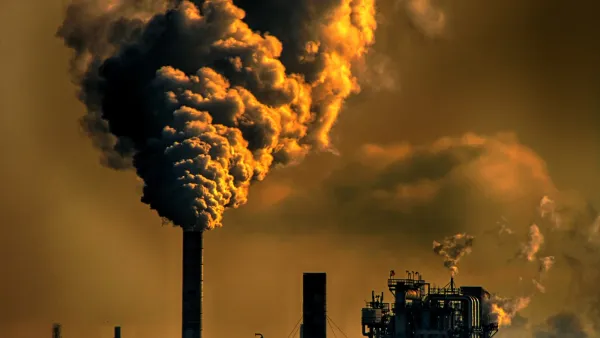
Study: Poor Air Quality Fuels COVID Transmission
Communities exposed to higher levels of air pollution experience higher rates of infection, particularly in areas with high population density.
The Post-Pandemic Economy Could Be Dirtier Than Ever
The environmental gains at the beginning of the pandemic were only temporary., and there are signs more signs every day that the economy will be dirtier than ever in the future.
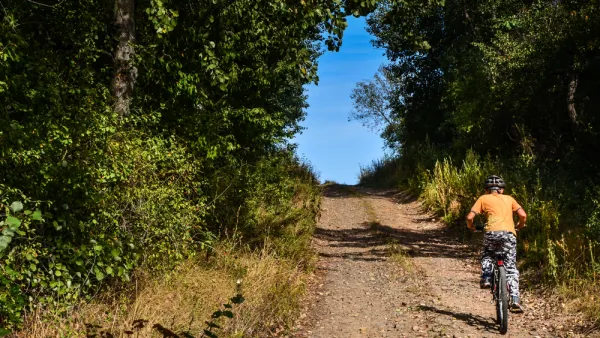
A Love Letter to the Bicycle
Riding a bicycle is not only a coping mechanism; it's also a way to protect ourselves during the coronavirus pandemic.

Planetizen Federal Action Tracker
A weekly monitor of how Trump’s orders and actions are impacting planners and planning in America.

The state-sanctioned urbicide of Austin
People don’t kill cities. Freeways do.

US to reduce Colorado River water deliveries to Mexico
A new Colorado Treaty amendment reduces Mexico’s Colorado River water allocation by 250,000 acre feet.

5 New England states march closer to 800 megawatt wind energy project
Securing federal approval for the project may be complicated under the Trump administration, which has historically been hostile towards domestic wind power.

Baltimore to break ground on $50 million Transit Priority Project
The project will bring faster bus trips, safer streets and better bike connections to Baltimore.

Airbnb launches $250 million 'last-dollar financing' housing accelerator, makes first investment in Austin
The company will put $6.4 million towards affordable housing development in Texas’ capital.

FREE Course: Walkable City 1: Why Walkability?
After describing his path towards focusing on walkability as the essence of good planning, Jeff Speck marches through his five principal reasons for making more walkable places.
Reinventing Malls: Planning Alchemy—Turning Gray Fields Into Gold
The course focuses on the opportunities and imperatives that shape reinvention of mall sites.

Eagle County Government
Harvard University Graduate School of Design
Nashville Planning Department
The Architects Foundation
University of Cincinnati Online
The Pocatello Development Authority
The Urban Renewal Agency of the City of Pocatello
Journal of the American Planning Association