The novel coronavirus is outlasting the narratives of March 2020, and the country will have to reevaluate its assumptions to understand and respond to shifting threats as the public health crisis deepens.


Reis Thebault and Abigail Hauslohner report: "As the death toll nears 100,000, the disease caused by the virus has made a fundamental shift in who it touches and where it reaches in America, according to a Washington Post analysis of case data and interviews with public health professionals in several states."
The article summarizes the findings of that analysis: "The pandemic that first struck in major metropolises is now increasingly finding its front line in the country’s rural areas; counties with acres of farmland, cramped meatpacking plants, out-of-the-way prisons and few hospital beds.
"America’s largest and most densely populated cities and suburbs still suffer more infections and deaths per capita, but those overall rates are increasing faster in smaller, rural counties where the virus has spread rapidly in the past month," according to the article.
The article includes numerous infographics, maps, and data to show how the novel coronavirus is upending the narratives about density and spread that emerged at the outset of the public health crisis.
Read the full story: A deadly ‘checkerboard’: Covid-19’s new surge across rural America

The Shifting Demographics of Covid-19
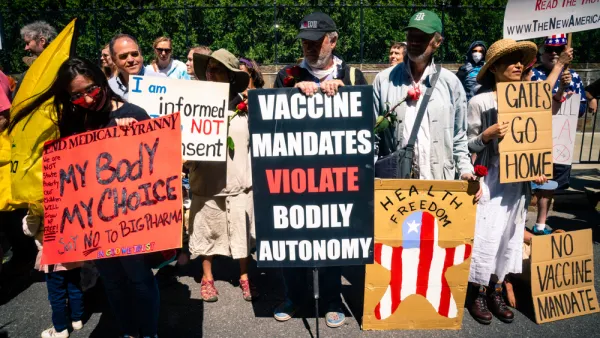
For most of the Covid-19 pandemic, Black Americans died at much higher rates than White Americans. That trend has reversed at times during the past year.
Study: Poor Air Quality Fuels COVID Transmission
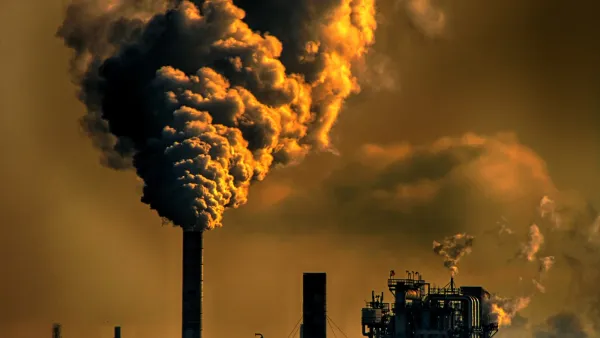
Communities exposed to higher levels of air pollution experience higher rates of infection, particularly in areas with high population density.
Most Questions About the Long-Term Impact of the Pandemic Still Unanswered
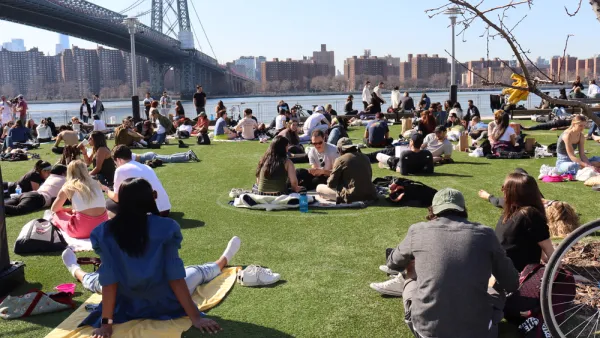
Planetizen started gathering articles attempting to predict the post-pandemic future in March 2020. The work goes on, with many questions left still to be answered.

Planetizen Federal Action Tracker
A weekly monitor of how Trump’s orders and actions are impacting planners and planning in America.

Colorado’s Largest Data Center Could Rise Next to Homes — Without a Public Hearing
The proposed campus would consume 11 times the power of Denver International Airport; as it has across the country, opposition mounts.

US to reduce Colorado River water deliveries to Mexico
A new Colorado Treaty amendment reduces Mexico’s Colorado River water allocation by 250,000 acre feet.

'This is going to be painful:’ Virginia stares down $1.7 billion funding gap for highway maintenance
The state may address the deficit by shifting $290 million from its construction budget to maintenance projects.

Judges permit Denver to divert 77,000 acre feet from the Colorado River for reservoir expansion
Overuse and climate change have caused the Colorado River’s water levels to plummet.
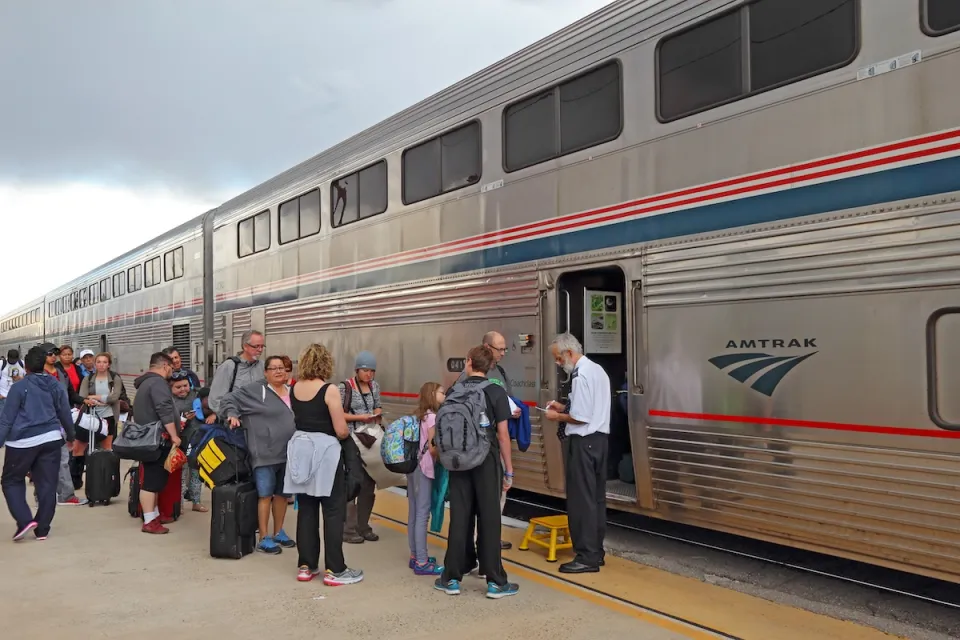
Amtrak, CN end decades-long dispute with eight-year agreement
The new operating agreement establishes an updated framework for the companies to work together, including processes to resolve disputes.

FREE Course: Walkable City 1: Why Walkability?
After describing his path towards focusing on walkability as the essence of good planning, Jeff Speck marches through his five principal reasons for making more walkable places.
Reinventing Malls: Planning Alchemy—Turning Gray Fields Into Gold
The course focuses on the opportunities and imperatives that shape reinvention of mall sites.

KFH Group Inc.
Greater Baltimore Committee
Eagle County Government
The Architects Foundation
University of Cincinnati Online
The Pocatello Development Authority
The Urban Renewal Agency of the City of Pocatello