As the coronavirus continues to move across the globe, its effects on shared transportation modes and freight shipping are becoming more apparent.


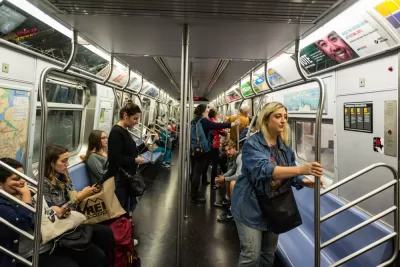
The coronavirus is affecting global transportation networks, with public transportation and air travel hit especially hard. The impacts in Chinese cities portend what could be coming to other parts of the world as the virus continues to spread.
"In Shanghai and Beijing, which are not subject to quarantine, ridership on their metro systems are down 85 percent and 91 percent, respectively (Check out the full data table here.) Intercity rail trips have dropped more than 80 percent. Domestic airlines cut 13,000 daily flights within the country and some desperate ones are offering $4 fares," writes Paul Lewis.
Research suggests that public transit is not where people are infected, and the work and social sites that people use transit to reach are the concern. Still, transit agencies are preparing systems, says Lewis. "[They] are investing millions of dollars for masks, signage, and disinfectant supplies to enable continue operations during a potential outbreak. Private companies are also implementing policies to ensure the safety of their employees and customers."
The coronavirus pandemic is also highlighting the interconnectedness of the global supply chain as freight shipping delays affect manufacturing around the world. "Such disruptions will have short term effects on the ability to sell products, but in the long run could force companies to rethink supply chains exposed to epidemic risks," adds Lewis.
FULL STORY: The Effects of Coronavirus on Transportation

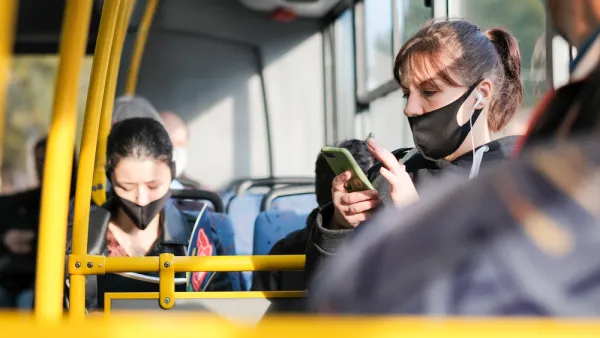
Lessons for Transit Ridership From Past Pandemics
While COVID-19 is a unique moment in American history, experiences from past pandemics shed light on how the pandemic might shape public transit ridership.
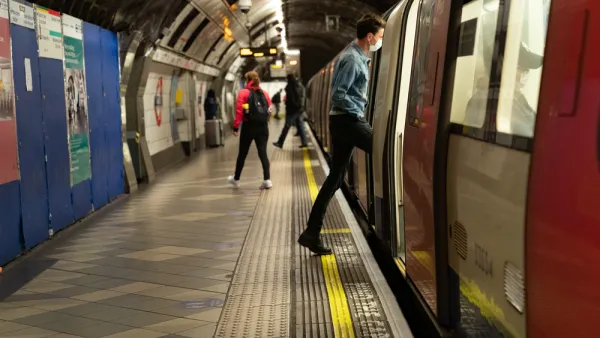
What Is the Future for Transit After COVID? - A Debate
Critic Randal O'Toole and advocate Todd Litman debate how communities should plan for public transit in the post pandemic future. Should it contract or expand?
Falling Transit Ridership 'Disastrous' for Greenhouse Gas Reductions
With ridership at record lows and agencies struggling to stay afloat, public transit around the world will need robust investment to recover after the pandemic.

The state-sanctioned urbicide of Austin
People don’t kill cities. Freeways do.

US to reduce Colorado River water deliveries to Mexico
A new Colorado Treaty amendment reduces Mexico’s Colorado River water allocation by 250,000 acre feet.

New Jersey’s second-largest city bans standalone data centers
Jersey City will continue to allow co-location facilities, such as those meant for research institutions that store their own data.

Amtrak not solely to blame for New Jersey commuter rail's unreliability, report finds
A new study from the Garden State Initiative found that NJ Transit’s budget grew 20% across a 4 year period, but reliability declined significantly over the same period.

EPA erases limits on planet-warming pollution from power plants
Under Monday’s plan, power plants would still have some limits on how much mercury, arsenic and other contaminants they can emit.

Phoenix announces new on-demand transit service, more frequent RAPID buses
Both new services will launch in October, and are part of Phoenix's Project Effective Access Solutions for Easing Congestion.

FREE Course: Walkable City 1: Why Walkability?
After describing his path towards focusing on walkability as the essence of good planning, Jeff Speck marches through his five principal reasons for making more walkable places.
Reinventing Malls: Planning Alchemy—Turning Gray Fields Into Gold
The course focuses on the opportunities and imperatives that shape reinvention of mall sites.

Eagle County Government
Harvard University Graduate School of Design
Nashville Planning Department
The Architects Foundation
University of Cincinnati Online
The Pocatello Development Authority
The Urban Renewal Agency of the City of Pocatello
Journal of the American Planning Association