The vacancy rate in Toronto has been estimated as low 1.1 percent, but the province has approved regulations intended to restore units that have been taken off the long-term rental market by short-term rental platforms like Airbnb.



"An Ontario tribunal has upheld Toronto regulations on short-term rentals that will restrict the most prolific hosts on Airbnb and other home-sharing services," reports Shane Dingman.
"The new rules apply to homeowners and tenants who want to offer rooms and homes for short-term rental on such services as Airbnb or VRBO. The regulations restrict short-term rentals to a homeowner’s principal residence, and then only to a maximum of 180 days a year."
Ontario's Local Planning Appeal Tribunal (LPAT) had the power to determine whether the zoning regulations approved by Toronto to curtail "ghost hotel" operators were planned in good faith. According to Dingman, lawyers for the commercial operators subject to the regulations plan to appeal the LPAT's decision.
"There are about 21,000 short-term listings in the city, but local activists and researchers have argued that as many as 5,000 homes in Toronto have been permanently converted to short-stay accommodations," explains Dingman of the scope of short-term rental operations in the city.
FULL STORY: Ontario tribunal upholds Toronto’s new rules to limit Airbnb, other short term rentals

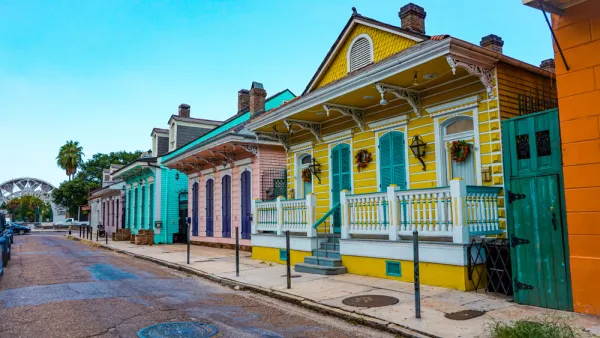
How Short-Term Rental Restrictions Impact Urban Planning
Short-term rental regulations are a hot topic in the urban planning world. As more cities consider—or are already implementing—these regulations, they need to understand how they impact various urban landscape areas.

Airbnb, Denver Struggle to Find Common Ground
Where other cities have found common ground with Airbnb and the short-term rental industry, Denver's negotiations toward regulations have continued since 2018 with little to show for the effort.

New Research Measures Airbnb's Massive Industry Footprint
The world hasn't been the same since Airbnb launched in 2008 and quickly grew in popularity.

Planetizen Federal Action Tracker
A weekly monitor of how Trump’s orders and actions are impacting planners and planning in America.

The state-sanctioned urbicide of Austin
People don’t kill cities. Freeways do.

US to reduce Colorado River water deliveries to Mexico
A new Colorado Treaty amendment reduces Mexico’s Colorado River water allocation by 250,000 acre feet.

5 New England states march closer to 800 megawatt wind energy project
Securing federal approval for the project may be complicated under the Trump administration, which has historically been hostile towards domestic wind power.

Baltimore to break ground on $50 million Transit Priority Project
The project will bring faster bus trips, safer streets and better bike connections to Baltimore.

Airbnb launches $250 million 'last-dollar financing' housing accelerator, makes first investment in Austin
The company will put $6.4 million towards affordable housing development in Texas’ capital.

FREE Course: Walkable City 1: Why Walkability?
After describing his path towards focusing on walkability as the essence of good planning, Jeff Speck marches through his five principal reasons for making more walkable places.
Reinventing Malls: Planning Alchemy—Turning Gray Fields Into Gold
The course focuses on the opportunities and imperatives that shape reinvention of mall sites.

Eagle County Government
Harvard University Graduate School of Design
Nashville Planning Department
The Architects Foundation
University of Cincinnati Online
The Pocatello Development Authority
The Urban Renewal Agency of the City of Pocatello
Journal of the American Planning Association