A three-year investigation of the real estate industry on Long Island reveals rampant discriminatory practices and an industry complicit in the segregation of the communities that comprise the region.


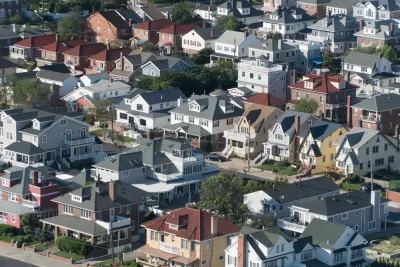
Ann Choi, Keith Herbert, and Olivia Winslow present the bombshell findings of an undercover investigative report into the unequal treatment of minorities by real estate agents working on Long Island in New York.
"The three-year probe strongly indicates that house hunting in one of the nation’s most segregated suburbs poses substantial risks of discrimination, with black buyers chancing disadvantages almost half the time they enlist brokers," according to the article.
Of the interactions encountered by the undercover reporters working on the story, 19 percent of Asians faced unequal treatment, 39 percent of Hispanics, and 49 percent of Blacks.
"Additionally, the investigation reveals that Long Island’s dominant residential brokering firms help solidify racial separations," according to the article. "They also avoided business in communities with overwhelmingly minority populations."
The article includes interactive graphics, videos of encounters during the investigation, and a lot more info to document a massive investigative undertaking.
FULL STORY: Long Island Divide

Boston's Deeply Discriminatory Rental Market Ignores Black Renters
A new study documents staggering racial bais in the Boston rental market and compares the racial disparities among prospective tenants seeking housing in 2018 and 2019.
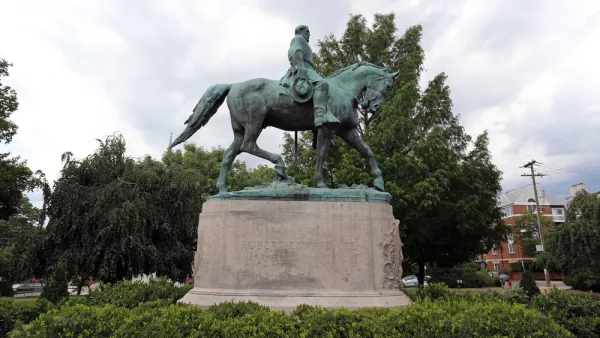
Mapping Housing Discrimination in Charlottesville
Like many American cities, the site of white supremacist unrest in 2017 has a long history of residential discrimination by race. This mapping project seeks to uncover the roots of today's disparities.
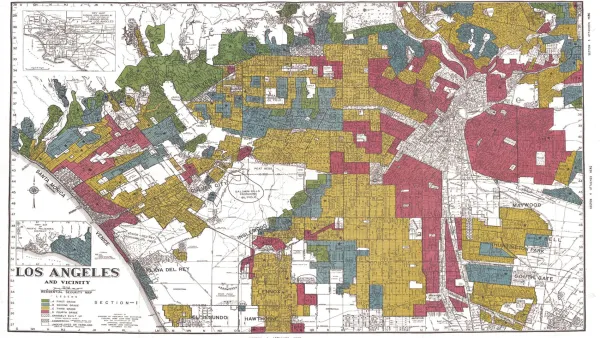
Housing Discrimination Still a Vast Problem, Survey Finds
In a survey conducted last October, Zillow found that 27 percent of respondents believe they've experienced housing discrimination. National Fair Housing Alliance president Lisa Rice discusses why that is.

The state-sanctioned urbicide of Austin
People don’t kill cities. Freeways do.

US to reduce Colorado River water deliveries to Mexico
A new Colorado Treaty amendment reduces Mexico’s Colorado River water allocation by 250,000 acre feet.

New Jersey’s second-largest city bans standalone data centers
Jersey City will continue to allow co-location facilities, such as those meant for research institutions that store their own data.

Amtrak not solely to blame for New Jersey commuter rail's unreliability, report finds
A new study from the Garden State Initiative found that NJ Transit’s budget grew 20% across a 4 year period, but reliability declined significantly over the same period.

EPA erases limits on planet-warming pollution from power plants
Under Monday’s plan, power plants would still have some limits on how much mercury, arsenic and other contaminants they can emit.

Phoenix announces new on-demand transit service, more frequent RAPID buses
Both new services will launch in October, and are part of Phoenix's Project Effective Access Solutions for Easing Congestion.

FREE Course: Walkable City 1: Why Walkability?
After describing his path towards focusing on walkability as the essence of good planning, Jeff Speck marches through his five principal reasons for making more walkable places.
Reinventing Malls: Planning Alchemy—Turning Gray Fields Into Gold
The course focuses on the opportunities and imperatives that shape reinvention of mall sites.

Eagle County Government
Harvard University Graduate School of Design
Nashville Planning Department
The Architects Foundation
University of Cincinnati Online
The Pocatello Development Authority
The Urban Renewal Agency of the City of Pocatello
Journal of the American Planning Association