A new study documents staggering racial bais in the Boston rental market and compares the racial disparities among prospective tenants seeking housing in 2018 and 2019.


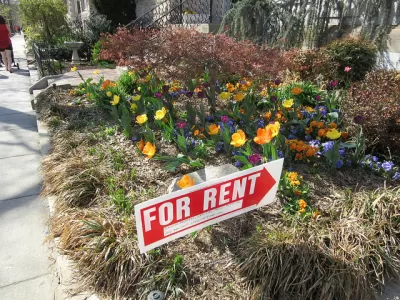
A study by researchers at Suffolk University Law School examines racial bias among real estate professionals working in the Boston rental market and examines the differential treatment experienced by qualified renters on the basis of race. "In subtle and overt ways, Black renters experienced discrimination by real estate brokers and landlords in 71 percent of the cases tested in the study," writes Meghan E. Irons. The study also found that people seeking housing with Section 8 housing vouchers experienced even greater rates of discrimination in that "regardless of race, they were routinely blocked, ignored, or turned away by an agent," Irons reports.
Researchers conducted 700 undercover tests in which 200 Black and white participants with similar income levels and credits scores posed as prospective tenants and documented their experiences in writing after interacting with real estate brokers. Irons points out that over 180 of the 200 participants had exclusive contact with a real estate or management company professional. According to the researchers, these professionals are in part responsible for the discriminatory practices unveiled by the study and should work to correct the racist bias.


April Must-Reads: Top 10 Articles From Last Month
A key federal housing assistance program is in peril, Maui tries to balance housing affordability with its tourism-based economy, and a landmark Virginia law could set a new standard for road safety.

Enforcing Housing Discrimination Laws Falls Largely on Tenants, Nonprofits
With few enforcement mechanisms even in cities that have bans on source-of-income discrimination on the books, it’s up to nonprofit lawyers and tenants to sue landlords for retribution.
Three Key Calls to Action to Improve Racial Equity in Transit Policy
Important changes are necessary to promote racial equity in transit policy, governance, and agency recruitment, according to Darnell Grisby, director of policy development at the American Public Transit Association.

Planetizen Federal Action Tracker
A weekly monitor of how Trump’s orders and actions are impacting planners and planning in America.

The state-sanctioned urbicide of Austin
People don’t kill cities. Freeways do.

US to reduce Colorado River water deliveries to Mexico
A new Colorado Treaty amendment reduces Mexico’s Colorado River water allocation by 250,000 acre feet.

5 New England states march closer to 800 megawatt wind energy project
Securing federal approval for the project may be complicated under the Trump administration, which has historically been hostile towards domestic wind power.

Baltimore to break ground on $50 million Transit Priority Project
The project will bring faster bus trips, safer streets and better bike connections to Baltimore.

Airbnb launches $250 million 'last-dollar financing' housing accelerator, makes first investment in Austin
The company will put $6.4 million towards affordable housing development in Texas’ capital.

FREE Course: Walkable City 1: Why Walkability?
After describing his path towards focusing on walkability as the essence of good planning, Jeff Speck marches through his five principal reasons for making more walkable places.
Reinventing Malls: Planning Alchemy—Turning Gray Fields Into Gold
The course focuses on the opportunities and imperatives that shape reinvention of mall sites.

Eagle County Government
Harvard University Graduate School of Design
Nashville Planning Department
The Architects Foundation
University of Cincinnati Online
The Pocatello Development Authority
The Urban Renewal Agency of the City of Pocatello
Journal of the American Planning Association