Paradise, California, burned to the ground last year, and the town’s recovery has begun. But questions remain about the measures that should be put into place to prevent another disaster.


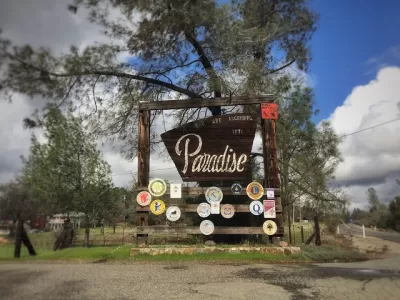
The Camp Fire leveled Paradise, California, last year, but signs of recovery are evident, reports Laura Newberry. A dozen houses have been rebuilt, businesses are reopening, and schools are back in session. But progress made since the disaster belies the many challenges that remain. "It’s a path forward that seems to hinge, in part, on a perplexing question: Just how many fire safety measures can Paradise afford?" says Newberry.
Residents understand that changes need to happen to make Paradise safer, but they are also pushing back on what they see as costly and intrusive proposals. The city council adopted a ban on gutters and retaining walls made of flammable materials, and Pacific Gas and Electric Company will bury utility lines.
However, a proposal to require a five-foot zone between houses and combustible materials has received mixed reviews from residents. "[Paradise officials also] know that some fire safety measures could tack thousands onto building costs for people who are already facing insurance settlement shortfalls in a place that has historically been a haven for seniors on limited budgets," notes Newberry.
Officials say they want to bring people back to Paradise, where the population has dropped from 27,000 to just 2,000, while also planning for the town’s long-term resiliency. In addition, a variety of immediate needs have to be addressed, including removal of half a million dead or dying trees and development of a safer road network, which could involve the purchase of private land.
FULL STORY: Paradise rebuilds, but fire safety sometimes takes a back seat to economic realities

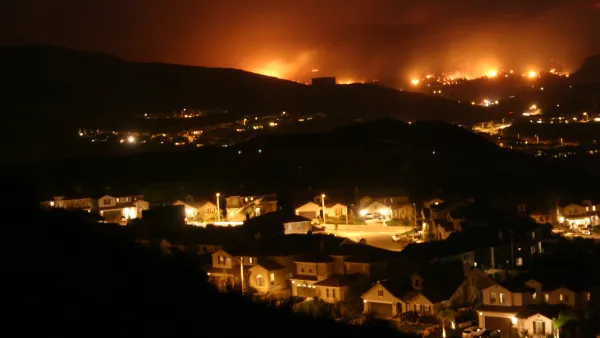
The Post-Wildfire Dilemma: Rebuild or Retreat?
Even after experiencing devastating wildfires, residents are often willing to take the risk to return and start over.
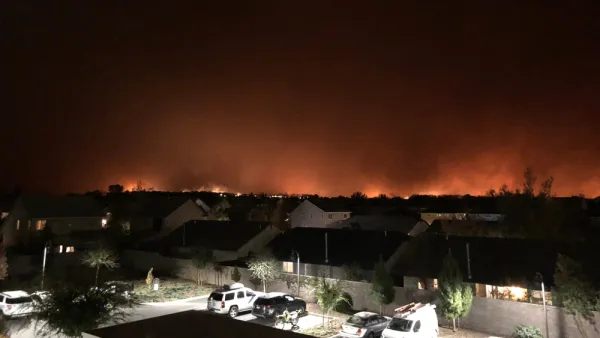
LA Times: Poor Planning Sealed Paradise's Fate
The planning history of Paradise, California is blamed for the destruction of the city in the Camp Fire. Can planners find new models for both limiting carbon emissions and preparing for the effects of climate change?
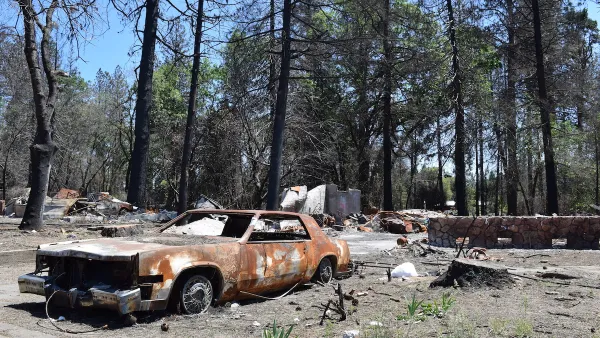
Paradise Lost: Long-Time Residents Priced out of Fire-Devastated Town
The California community lost 85 lives and tens of thousands of homes. Now, high housing and rebuilding costs are forcing many former residents out.

Planetizen Federal Action Tracker
A weekly monitor of how Trump’s orders and actions are impacting planners and planning in America.

The state-sanctioned urbicide of Austin
People don’t kill cities. Freeways do.

US to reduce Colorado River water deliveries to Mexico
A new Colorado Treaty amendment reduces Mexico’s Colorado River water allocation by 250,000 acre feet.

Mamdani overhauls NYC's Vision Zero plan with 100 new policy goals
The overhaul aims to reduce traffic deaths and make streets safer for pedestrians, cyclists and drivers through lower speed limits, new safety infrastructure and more.

Amtrak not solely to blame for New Jersey commuter rail's unreliability, report finds
A new study from the Garden State Initiative found that NJ Transit’s budget grew 20% across a 4 year period, but reliability declined significantly over the same period.

EPA erases limits on planet-warming pollution from power plants
Under Monday’s plan, power plants would still have some limits on how much mercury, arsenic and other contaminants they can emit.

FREE Course: Walkable City 1: Why Walkability?
After describing his path towards focusing on walkability as the essence of good planning, Jeff Speck marches through his five principal reasons for making more walkable places.
Reinventing Malls: Planning Alchemy—Turning Gray Fields Into Gold
The course focuses on the opportunities and imperatives that shape reinvention of mall sites.

Eagle County Government
Harvard University Graduate School of Design
Nashville Planning Department
The Architects Foundation
University of Cincinnati Online
The Pocatello Development Authority
The Urban Renewal Agency of the City of Pocatello
Journal of the American Planning Association