A decision by the Bureau of Land Management on Oct. 3 may reverse the outcome of a 2013 lawsuit against the Obama administration by two environmental groups that effectively halted drilling in Fresno, Monterey and San Benito counties.



"The Trump administration Friday announced it would make 725,000 acres of land in California’s central coast open to oil and gas lease sales, ending a five-year moratorium," reports Miranda Green, energy and environment reporter for The Hill.
The decision by the Bureau of Land Management (BLM) made the federal land available for fossil fuel production across Fresno, Monterey, San Benito and other counties for the first time in half a decade.
"The BLM anticipates most new oil and gas development within the planning area to occur in or near existing oilfields in Fresno County," notes their decision, issued by their Central Coast Field Office in Marina, Monterey County. Fresno's population is over 994,000. The county seat, Fresno, is the fifth most populous in the state.
This decision also authorizes the BLM to issue, with controlled surface use stipulations, 14 previously litigated oil and gas leases in Monterey and San Benito counties.
"Voters in two of those counties – Monterey and San Benito – recently passed ballot initiatives banning the practice of fracking in their jurisdiction," writes Matthew Renda for Courthouse News.
The BLM maintains such ordinances only apply to lands within local jurisdiction and federal lands are governed by federal law.
Even so, Clare Lakewood, a senior attorney with the Center for Biological Diversity, said the BLM typically complies with local laws regarding energy policy and other land use matters.
"But the action also opens the door for new leases in eight other counties, raising the prospect of additional drilling in such spots as the Santa Cruz Mountains, the East Bay hills and eastern Santa Clara County," according to Kurtis Alexander of the San Francisco Chronicle. For details, see the 81-page Record of Decision [pdf].
Oil and gas drilling has been effectively banned since a successful 2013 lawsuit on the environmental effects of hydraulic fracturing was brought by the Center for Biological Diversity (see April 8, 2013, press release) and the Sierra Club against the Obama administration.
"In May, the BLM presented an environmental analysis of its plan, effectively meeting the court’s order to study and minimize fracking disturbances," adds Alexander. Kara Greene, a spokeswoman for the trade group Western States Petroleum Association, stated at the time, “We’re pleased that after five years, the process worked and the federal government has reaffirmed that hydraulic fracturing is a safe method of production in California."
A similar finding from an environmental analysis was released by the Obama administration in August 2014 which was thought incorrectly to reopen lease sales.
"The Center for Biological Diversity said Friday that it did not think the federal government had adequately addressed the impacts of fracking and was considering additional legal action to prevent the BLM from issuing new oil and gas leases," adds Alexander.
"We’ll fight tooth and nail to make sure it doesn’t happen," said the Center's Lakewood in a press release on Oct. 4 issued jointly with the Sierra Club.
"BLM officials estimate that up to 37 new oil and gas wells will be developed in the region over the next 20 years as a result of Friday’s decision," notes Alexander.
About 110 wells currently operate on federal land across the agency’s Central Coast district, with active drilling in Fresno, Monterey, San Benito, Alameda, Contra Costa and Santa Clara counties. The counties in the district where BLM land is not currently drilled include Merced, San Joaquin, San Mateo, Santa Cruz and Stanislaus.
"BLM can take requests from fossil fuel companies for plots to lease starting 30 days from now, after the appeal period has ended," adds Green for The Hill.
Related in Planetizen:
-
Report: Fracking Doesn't Pose Danger to California Groundwater, September 3, 2014
-
Environmentalists Win Major Fracking Lawsuit in California, April 12, 2013
Read the full story: Trump administration ends five-year oil and gas drilling moratorium in California

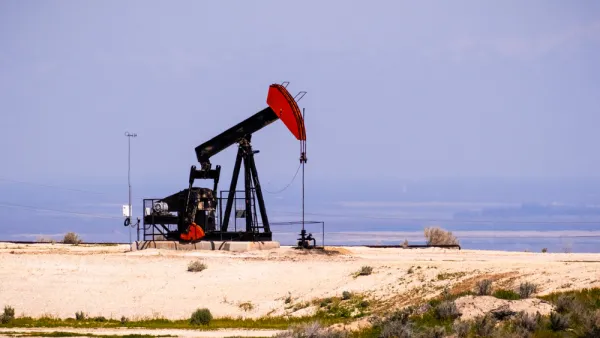
Department of Interior Plans to Open 1 Million Acres in California to Fracking
The Bakersfield Office of the Bureau of Land Management released an environmental study that is the basis for undoing a 2013 de facto moratorium on fracking on federal lands in California. The Supplemental EIS triggers a 45-day public comment period.
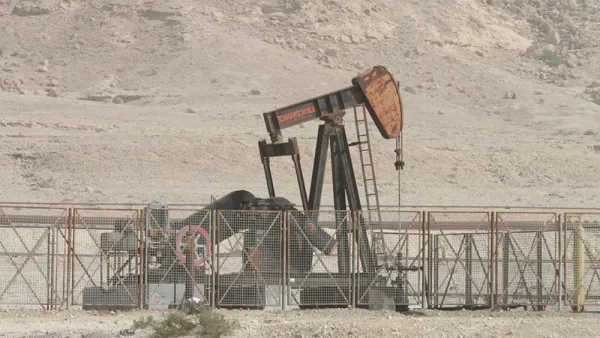
Interior Secretary Issues Order to Expedite Drilling on Public Lands
Secretary Zinke's order is part of the "energy dominance" agenda of the Trump Administration to make the U.S. a major energy exporter. The order will reduce the time needed by the Bureau of Land Management to process permitting for new wells.

Despite Bipartisan Opposition, Trump Administration Opens Offshore Oil and Gas Drilling
In a major blow to former President Obama's restrictions on offshore drilling in sensitive areas, Interior Secretary Ryan Zinke announced that he would open the Outer Continental Shelf in four regions: Pacific, Arctic, Atlantic, and the Gulf Coast.

Planetizen Federal Action Tracker
A weekly monitor of how Trump’s orders and actions are impacting planners and planning in America.

California plans to bury El Niño’s downpour
If the state plays its cards right, it may be able to store a billion acre-feet of El Niño’s water in aquifers.

Chicago breaks ground on $3 billion megadevelopment
The new neighborhood, titled Foundry Park, will one day host 3,700 residences.

Satanic place names
From streams and lakes to valleys and canyons, I mapped more than 1,000 places named after the Devil.

California High-Speed Rail Authority CEO resigns after $600,000 scandal
Under Ian Choudri, the authority used taxpayer dollars to fund first class flights and trips to nightclubs.

Want to study the Missouri River? Soon, you may need unanimous approval from 10 states
Legislation would require 10 governors’ permission to study or build projects moving water outside the basin.

FREE Course: Walkable City 1: Why Walkability?
After describing his path towards focusing on walkability as the essence of good planning, Jeff Speck marches through his five principal reasons for making more walkable places.
Reinventing Malls: Planning Alchemy—Turning Gray Fields Into Gold
The course focuses on the opportunities and imperatives that shape reinvention of mall sites.

City of Rosemead
Rutgers University, Edward J. Bloustein School of Planning and Public Policy
One Hundred Miles
Hunter College, City University of New York (CUNY)
The Architects Foundation
University of Cincinnati Online
City of Cambridge
Montrose County
The Pocatello Development Authority