The U.S. Environmental Protection Agency wants to force the state of California to spend highway money on public transit, because of the environment.


The Trump administration seems to love to antagonize California, mostly by revoking or weakening environmental regulations, like the recent episode of President Trump announcing via Twitter that California would no longer have a Clean Air Act waiver to require higher emission standards from car companies. Since the beginning of the Trump administration, the state of California has responded to the president's agenda with lawsuit after lawsuit. California also sued to keep its Clean Air Act waiver.
In recent weeks, however, the dynamic has changed, and the Trump administration has begun antagonizing California with threats of environmental enforcement. First, President Trump threatened to punish California with an environmental violation if it didn't take aggressive action to curb homelessness. Late in the day on October 2, the Trump administration followed through on that threat, as reported by Kurtis Alexander and Dominic Fracassa.
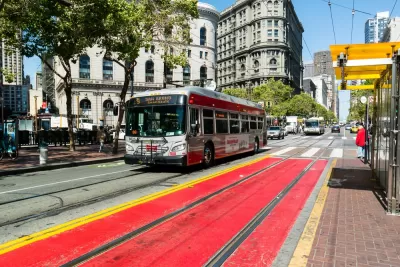
More recently, the Trump administration threatened to force the state to spend money intended for highways on public transit instead.
"The Environmental Protection Agency on September 23 threatened to start enforcing long-dormant Clean Air Act provisions that would force many regions in California to stop building new highway projects and instead either transfer that money to mass transit projects or else lose it entirely," reports Jeff Davis.
Davis notes the weirdness of the whole situation: "This sounds like a headline that would have occurred in the Obama Administration during its more ambitious first term, but no, this was in fact the Trump Administration."
The threat is predicated on the letter of the Clean Air Act law, as described clearly by Davis. The letter of the law also means the state wouldn't entirely lose the money, but could be forced to spend it on transit instead of roads.
FULL STORY: EPA Threatens to Make California Transfer Highway Funding to Mass Transit Projects

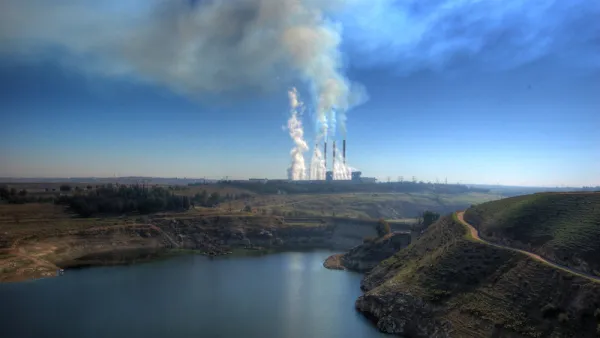
The Trump Administration's Environmental Policies Have Consequences for Black Lives
A Trump administration decision not to tighten Clean Air Act restrictions on soot pollution will have more consequences for Black Americans.
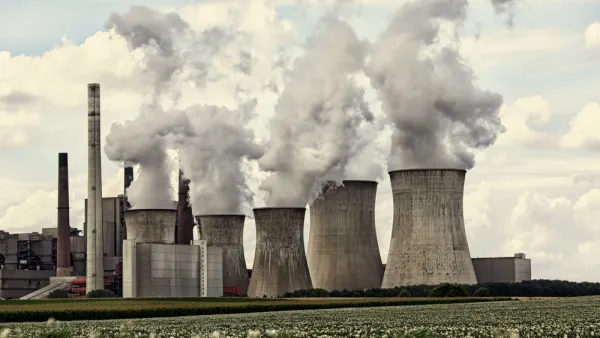
It's Official: Obama's Clean Power Plan Has Been Replaced by the Trump Administration
It took less than a year for the EPA to finalize the Affordable Clean Energy rule, which will allow older coal-burning plants to continue operating, in the Trump administration's most consequential environmental rollback accomplished to date.
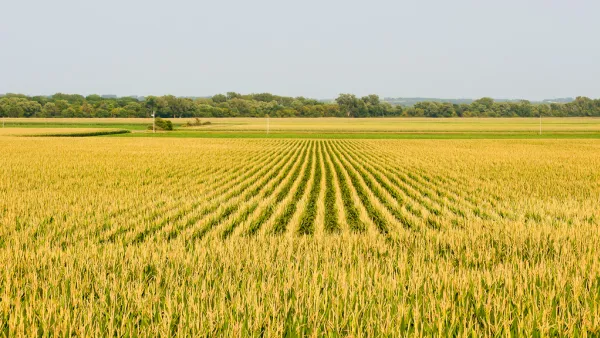
Summertime Ethanol Restriction Lifted to Help Corn Farmers—But at What Cost?
President Trump made good on his promise last October to lift the E15 ban in time for the summer driving season. Not mentioned by the Des Moines Register are the downsides to allowing the higher ethanol blend to be sold during the summer, e.g., smog.

The state-sanctioned urbicide of Austin
People don’t kill cities. Freeways do.

US to reduce Colorado River water deliveries to Mexico
A new Colorado Treaty amendment reduces Mexico’s Colorado River water allocation by 250,000 acre feet.

New Jersey’s second-largest city bans standalone data centers
Jersey City will continue to allow co-location facilities, such as those meant for research institutions that store their own data.

Amtrak not solely to blame for New Jersey commuter rail's unreliability, report finds
A new study from the Garden State Initiative found that NJ Transit’s budget grew 20% across a 4 year period, but reliability declined significantly over the same period.

EPA erases limits on planet-warming pollution from power plants
Under Monday’s plan, power plants would still have some limits on how much mercury, arsenic and other contaminants they can emit.

Phoenix announces new on-demand transit service, more frequent RAPID buses
Both new services will launch in October, and are part of Phoenix's Project Effective Access Solutions for Easing Congestion.

FREE Course: Walkable City 1: Why Walkability?
After describing his path towards focusing on walkability as the essence of good planning, Jeff Speck marches through his five principal reasons for making more walkable places.
Reinventing Malls: Planning Alchemy—Turning Gray Fields Into Gold
The course focuses on the opportunities and imperatives that shape reinvention of mall sites.

Eagle County Government
Harvard University Graduate School of Design
Nashville Planning Department
The Architects Foundation
University of Cincinnati Online
The Pocatello Development Authority
The Urban Renewal Agency of the City of Pocatello
Journal of the American Planning Association