Due to stagnant wages and the lack of affordable housing in many U.S. cities, even people with jobs are finding themselves slipping into homelessness.


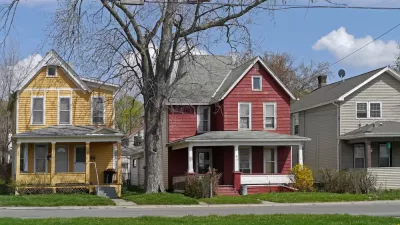
In a feature piece, Brian Goldstone examines the plight of the "working homeless"—people who are working but struggling with low wages, high housing costs, and unstable housing situations. "Theirs, increasingly, is the face of homelessness in the United States: people whose paychecks are no longer enough to keep a roof over their heads."
Goldstone explores the struggles of this largely overlooked group of Americans through the experience of a family in Atlanta contending with the cycle of precarious housing. He follows them as the face an unexpected rent increase, lose their home after their rental home is condemned, and live in temporary housing in a motel and with friends and relatives.
Helping people once they are homeless is not the solution, writes Goldstone. "The task is to prevent it from happening in the first place, by striking at its root source: the vastly bigger but less conspicuous problem of housing insecurity, now afflicting the nearly eleven million renter households that are severely cost-burdened."
Tenant protections and rent control are two effective strategies to keep people from falling into homelessness. "Most advocates agree, however, that lasting change will come only through massive government reinvestment in low-income housing, livable wages (including pay protections for the growing number of gig workers), and an openness to alternative models, such as community land trusts and limited-equity cooperatives," notes Goldstone.
FULL STORY: The New American Homeless

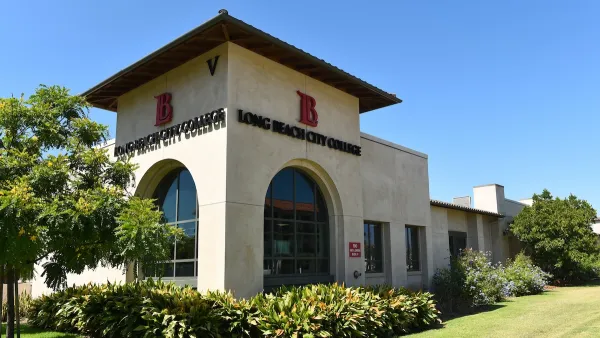
California Colleges Debate Letting Students Sleep in Cars
Long Beach City College offers a Safe Parking Program to enrolled students who need a safe place to spend the night. Other schools are skeptical.
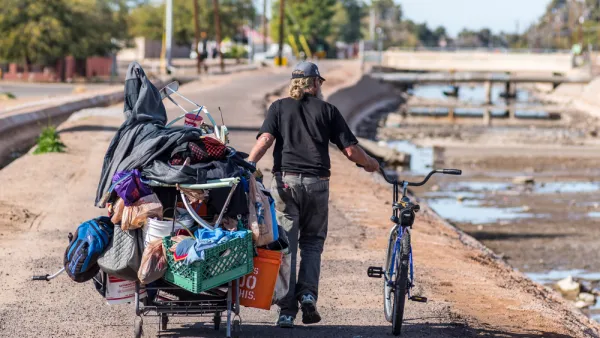
Phoenix Takes a New Approach on Homelessness
Phoenix is centering housing—affordable housing, permanent supportive housing, and eviction protections—in a new planning framework designed to reduce the number of homeless people living on the streets of the city.
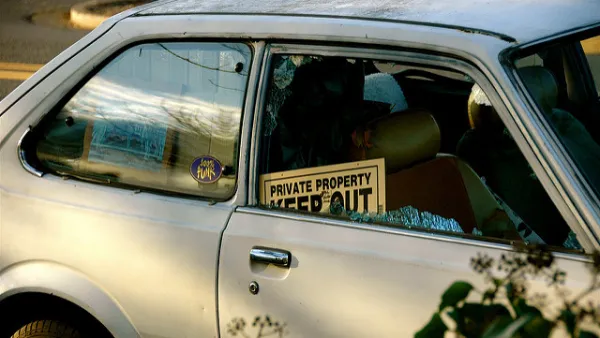
The Homeless Working Poor
The Salinas Valley in California is an agricultural powerhouse, but homelessness and hunger abound. Finding affordable housing is becoming increasingly difficult, even for people with jobs.

Planetizen Federal Action Tracker
A weekly monitor of how Trump’s orders and actions are impacting planners and planning in America.

The state-sanctioned urbicide of Austin
People don’t kill cities. Freeways do.

US to reduce Colorado River water deliveries to Mexico
A new Colorado Treaty amendment reduces Mexico’s Colorado River water allocation by 250,000 acre feet.

5 New England states march closer to 800 megawatt wind energy project
Securing federal approval for the project may be complicated under the Trump administration, which has historically been hostile towards domestic wind power.

Baltimore to break ground on $50 million Transit Priority Project
The project will bring faster bus trips, safer streets and better bike connections to Baltimore.

Airbnb launches $250 million 'last-dollar financing' housing accelerator, makes first investment in Austin
The company will put $6.4 million towards affordable housing development in Texas’ capital.

FREE Course: Walkable City 1: Why Walkability?
After describing his path towards focusing on walkability as the essence of good planning, Jeff Speck marches through his five principal reasons for making more walkable places.
Reinventing Malls: Planning Alchemy—Turning Gray Fields Into Gold
The course focuses on the opportunities and imperatives that shape reinvention of mall sites.

Eagle County Government
Harvard University Graduate School of Design
Nashville Planning Department
The Architects Foundation
University of Cincinnati Online
The Pocatello Development Authority
The Urban Renewal Agency of the City of Pocatello
Journal of the American Planning Association