Phoenix is centering housing—affordable housing, permanent supportive housing, and eviction protections—in a new planning framework designed to reduce the number of homeless people living on the streets of the city.


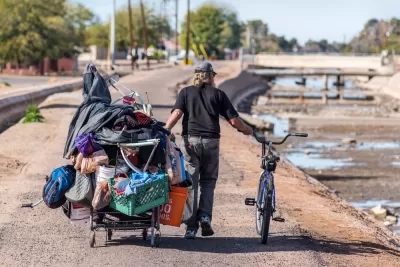
The Phoenix City Council recently approved a sweeping plan to address the city's growing numbers of homeless people living on the streets. The plan "calls for a regional distribution of homeless shelters and resources, more affordable housing options, enhanced neighborhood encampment cleanups and more mental health services," reports Jessica Boehm.
According to the most recent counts, the number of people living in Phoenix without homes has reached the record number tally of 7,400. "More than half of those are not living in a shelter and instead stay on the streets, in vehicles or in other areas not meant for habitation," according to Boehm.
The plan calls for goals and strategies on the themes of outreach and resources, mental health, workforce development, eviction protection, shelters, permanent supportive housing, affordable housing, encampment cleanups, and neighborhoods—highlighting the central role of housing to Phoenix's approach to the challenges of homelessness.
The entire "Strategies to Address Homelessness" plan is attached to the Phoenix City Council's meeting files for Tuesday, October 27.
FULL STORY: 'Stepping up to do more': Phoenix council approves broad plan to address homelessness, affordable housing

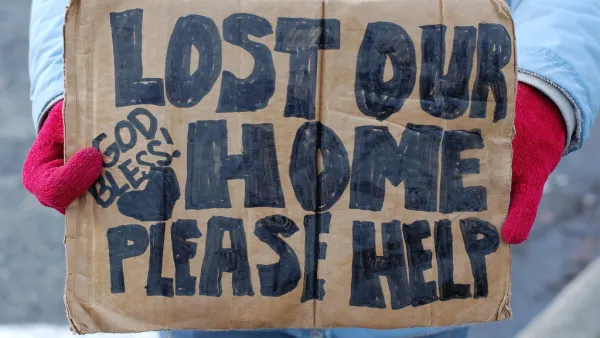
The Four Kinds of Housing that Help the Homeless
Projects to add housing resources to help give homeless people a roof over the head have run into all sorts of public opposition—often times fueled by ignorance of how different kinds of homeless housing options work.
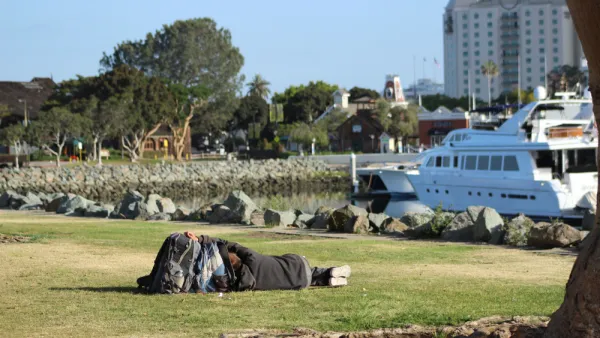
San Diego Not Even Close to Meeting Permanent Housing Goals for Homeless
The city’s new $6.5 million "bridge shelters" are providing a place to stay, but not accomplishing what they set out to do.
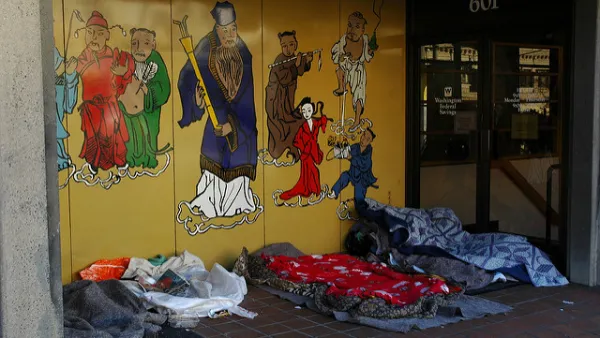
The Cost of Solving Homelessness in Seattle: $400 Million
It’s "dramatically higher" than any number under discussion, and not even close to what the city will raise with its new tax on large businesses.

The state-sanctioned urbicide of Austin
People don’t kill cities. Freeways do.

US to reduce Colorado River water deliveries to Mexico
A new Colorado Treaty amendment reduces Mexico’s Colorado River water allocation by 250,000 acre feet.

New Jersey’s second-largest city bans standalone data centers
Jersey City will continue to allow co-location facilities, such as those meant for research institutions that store their own data.

Amtrak not solely to blame for New Jersey commuter rail's unreliability, report finds
A new study from the Garden State Initiative found that NJ Transit’s budget grew 20% across a 4 year period, but reliability declined significantly over the same period.

EPA erases limits on planet-warming pollution from power plants
Under Monday’s plan, power plants would still have some limits on how much mercury, arsenic and other contaminants they can emit.

Phoenix announces new on-demand transit service, more frequent RAPID buses
Both new services will launch in October, and are part of Phoenix's Project Effective Access Solutions for Easing Congestion.

FREE Course: Walkable City 1: Why Walkability?
After describing his path towards focusing on walkability as the essence of good planning, Jeff Speck marches through his five principal reasons for making more walkable places.
Reinventing Malls: Planning Alchemy—Turning Gray Fields Into Gold
The course focuses on the opportunities and imperatives that shape reinvention of mall sites.

Eagle County Government
Harvard University Graduate School of Design
Nashville Planning Department
The Architects Foundation
University of Cincinnati Online
The Pocatello Development Authority
The Urban Renewal Agency of the City of Pocatello
Journal of the American Planning Association