Dam removal has its benefits, according to the example set by a particularly historic dam removal in the United States, which took place on July 1, 1999.


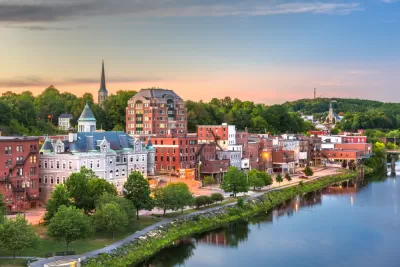
The first time the federal government ordered the removal of dam removed happened 20 years ago on the Kennebec River in Maine.
The reason for the removal of the Edwards Dam, according to an article by Amy Souers Kober: the dam's costs outweighed its benefits.
Souers Kober celebrates that historic milestone in water infrastructure and river restoration by cataloguing some of the country's greatest dam removal successes in the ensuing decades—and there were plenty of options to choose from, especially of late.
"According to the dam removal database maintained by American Rivers, 1,605 dams have been removed in the U.S. since 1912," according to the article. "Most of these (1,199) have occurred since the removal of Edwards Dam in 1999. The year with the most dam removals was 2018 (99 dams removed). 2017 was the second most productive year, with 91 dams removed."
For records of success, Souers Kober doesn't have to look beyond that first example: "Our partners at the Natural Resources Council of Maine report that since Edwards Dam was removed on July 1, 1999, tens of millions of alewives, blueback herring, striped bass, shad, and other sea-run fish have traveled up the Kennebec River, past the former Edwards Dam, which blocked upstream passage since 1837. Abundant osprey, bald eagles, sturgeon and other wildlife have also returned."
But the article doesn't stop with that first example, surveying the nation's regions for more recent examples of design removal success. American Rivers also provides an interactive map of dam removals for more exploring.
FULL STORY: TWENTY YEARS OF DAM REMOVAL SUCCESSES – AND WHAT’S UP NEXT

Congressional Bills Could Hit Refresh on U.S. Dams
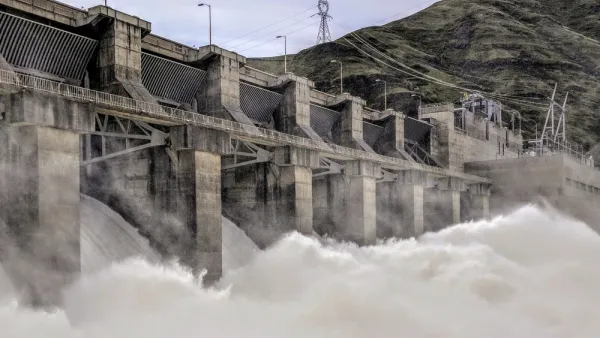
The 21st Century Dams Act, a proposal to remove four dams on the lower Snake River, and the Infrastructure Investment and Jobs Act all have a chance to redefine the country's approach to dams and watersheds.
Report: European Rivers Are in Trouble
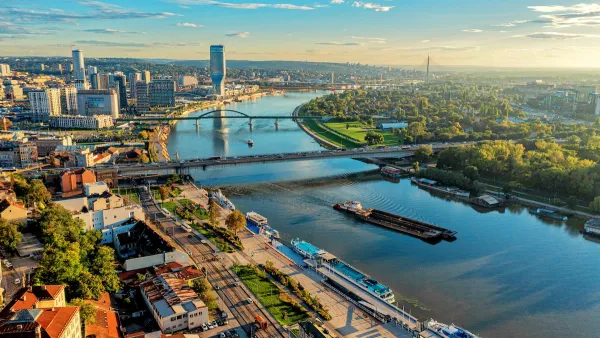
Some of the continent’s most important rivers are suffering from overuse and pollution.

Annual LA River CleanUp Invites Residents to Protect Local Ecosystems
The Friends of the Los Angeles River will host its 34th Annual LA River CleanUp on October 5, inviting residents to help beautify the river, prevent litter from reaching the ocean, and promote equitable access to green spaces.

The state-sanctioned urbicide of Austin
People don’t kill cities. Freeways do.

US to reduce Colorado River water deliveries to Mexico
A new Colorado Treaty amendment reduces Mexico’s Colorado River water allocation by 250,000 acre feet.

New Jersey’s second-largest city bans standalone data centers
Jersey City will continue to allow co-location facilities, such as those meant for research institutions that store their own data.

Amtrak not solely to blame for New Jersey commuter rail's unreliability, report finds
A new study from the Garden State Initiative found that NJ Transit’s budget grew 20% across a 4 year period, but reliability declined significantly over the same period.

EPA erases limits on planet-warming pollution from power plants
Under Monday’s plan, power plants would still have some limits on how much mercury, arsenic and other contaminants they can emit.

Phoenix announces new on-demand transit service, more frequent RAPID buses
Both new services will launch in October, and are part of Phoenix's Project Effective Access Solutions for Easing Congestion.

FREE Course: Walkable City 1: Why Walkability?
After describing his path towards focusing on walkability as the essence of good planning, Jeff Speck marches through his five principal reasons for making more walkable places.
Reinventing Malls: Planning Alchemy—Turning Gray Fields Into Gold
The course focuses on the opportunities and imperatives that shape reinvention of mall sites.

Eagle County Government
Harvard University Graduate School of Design
Nashville Planning Department
The Architects Foundation
University of Cincinnati Online
The Pocatello Development Authority
The Urban Renewal Agency of the City of Pocatello
Journal of the American Planning Association